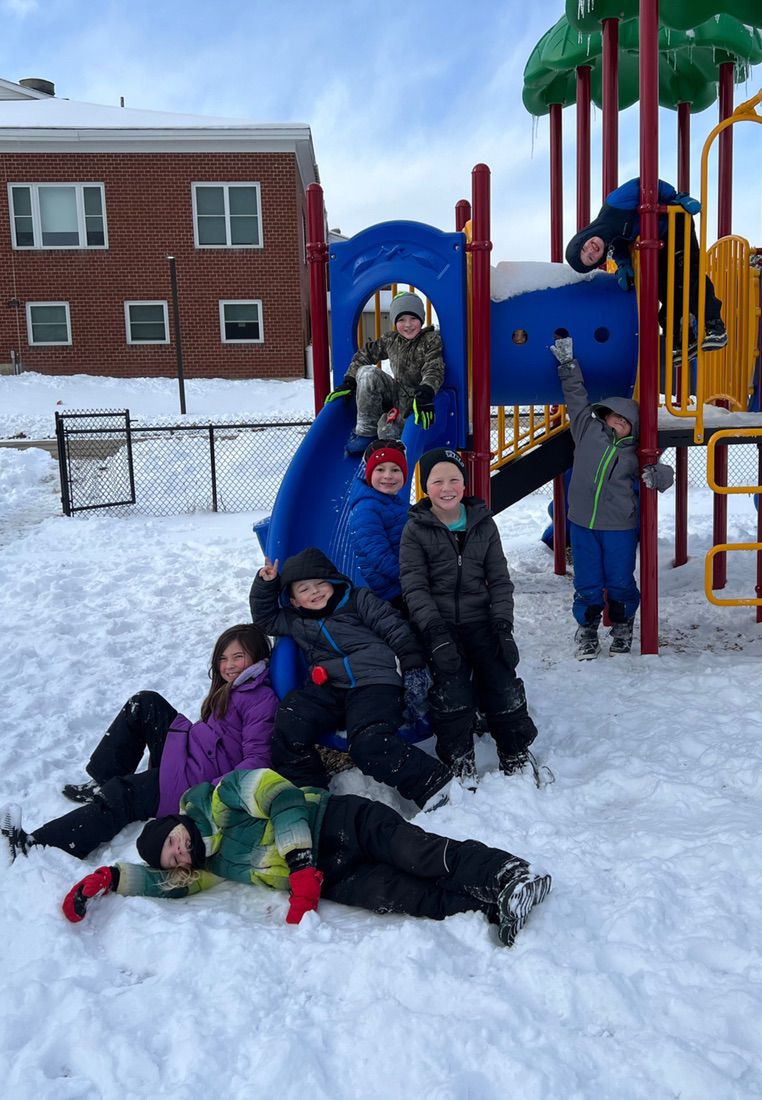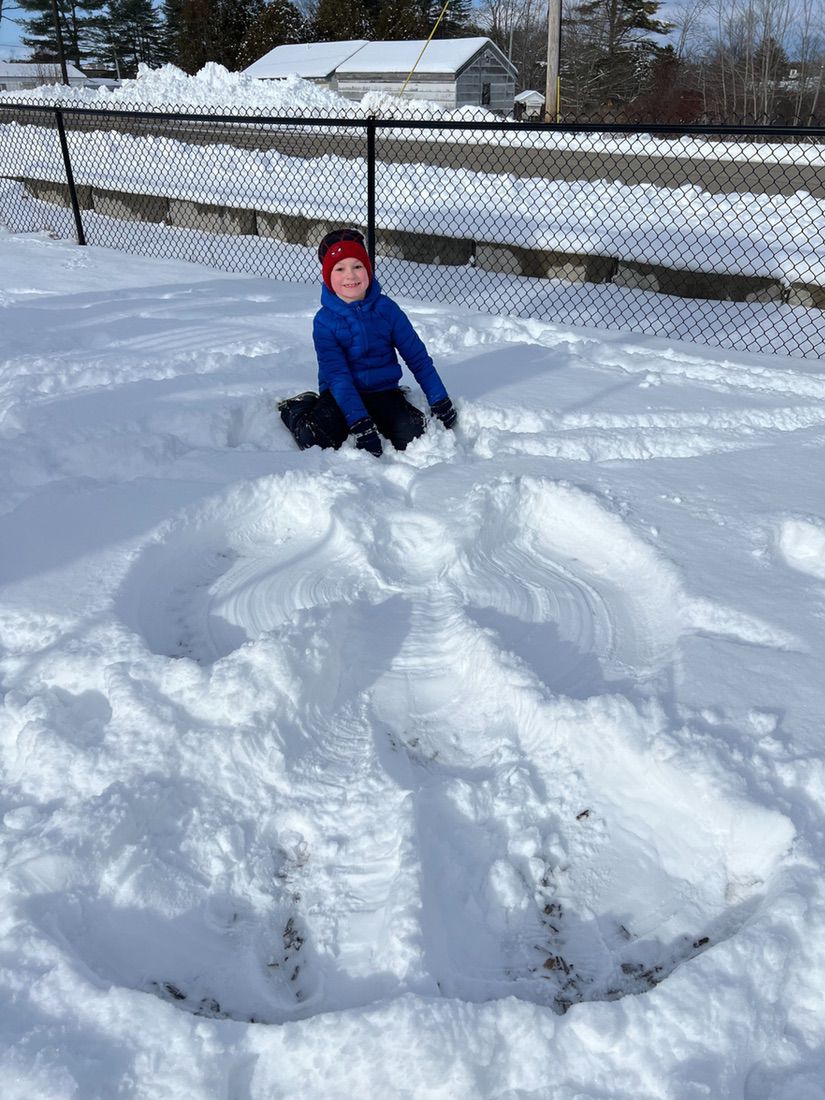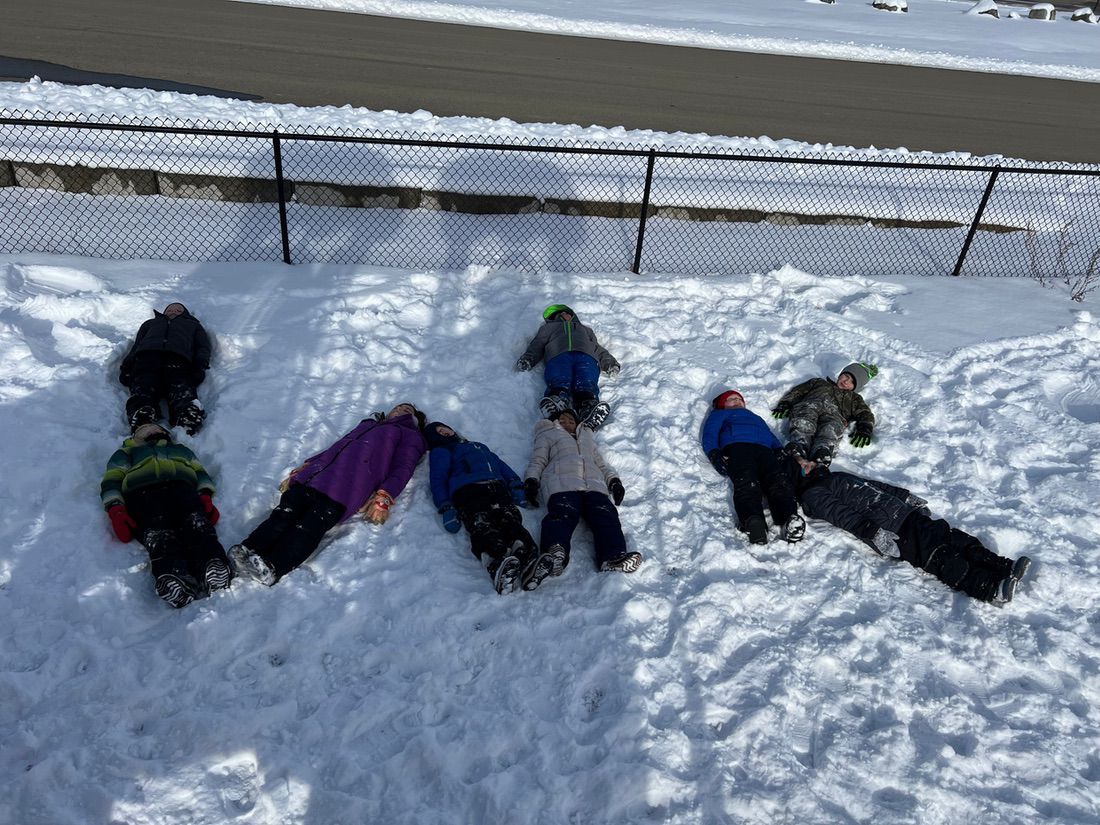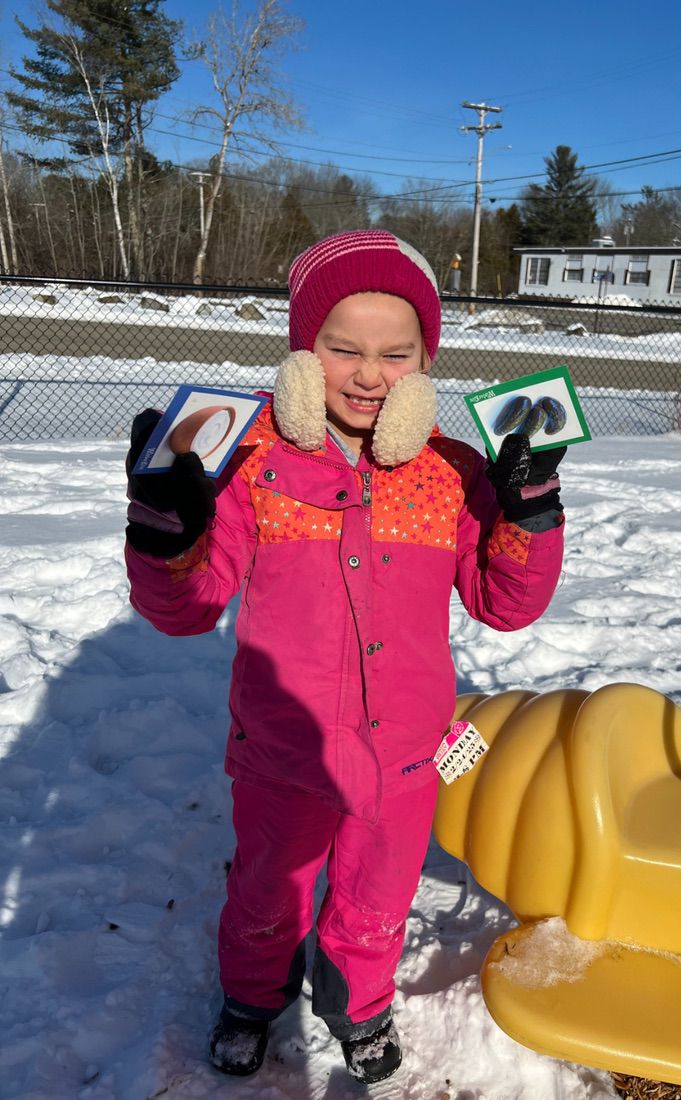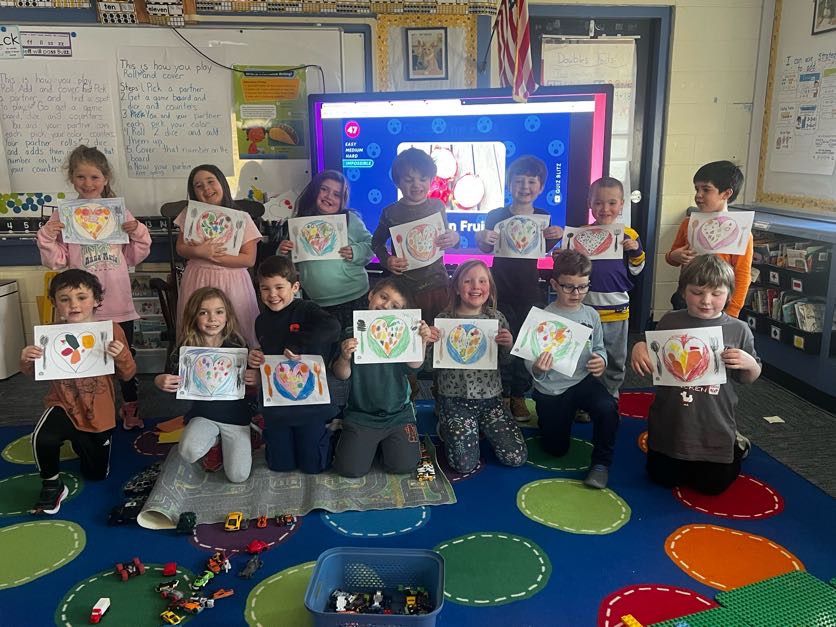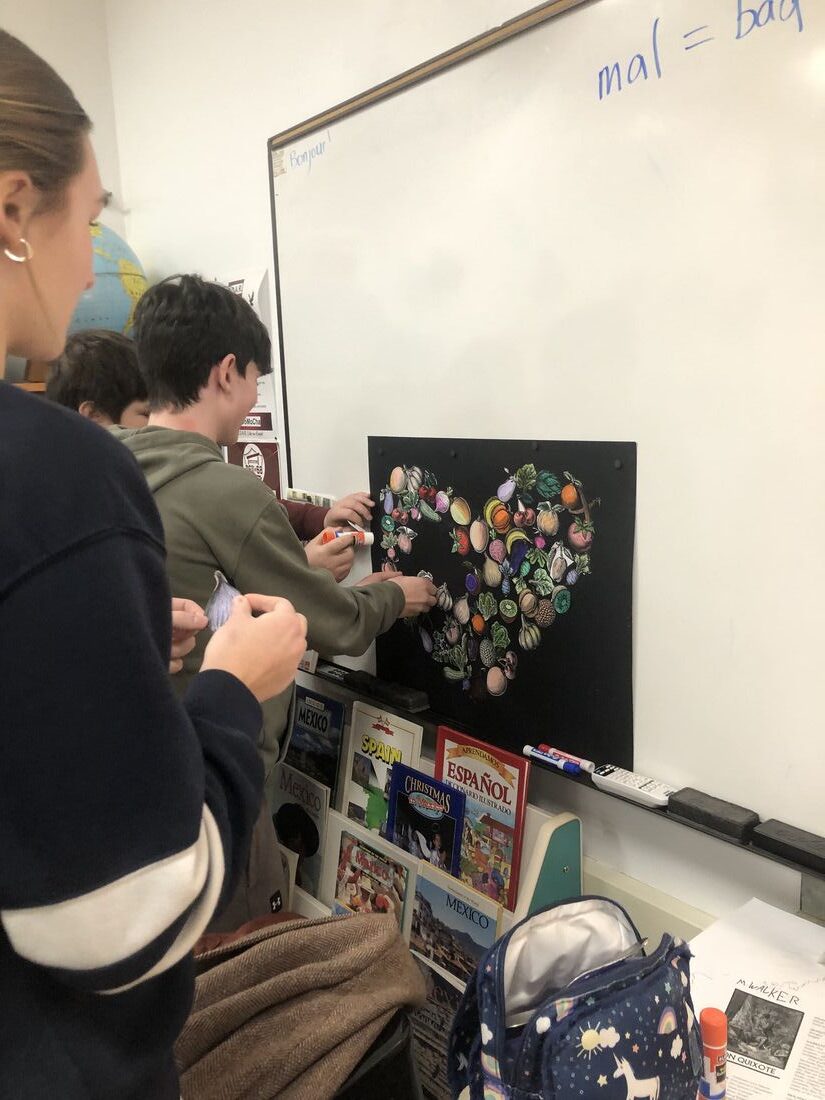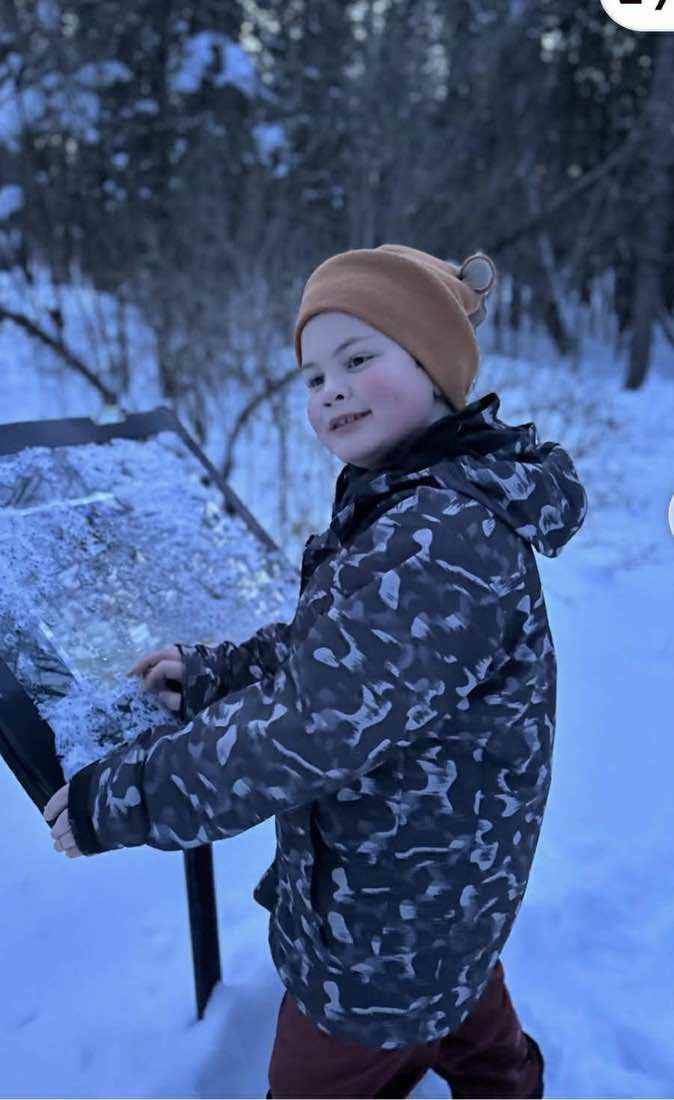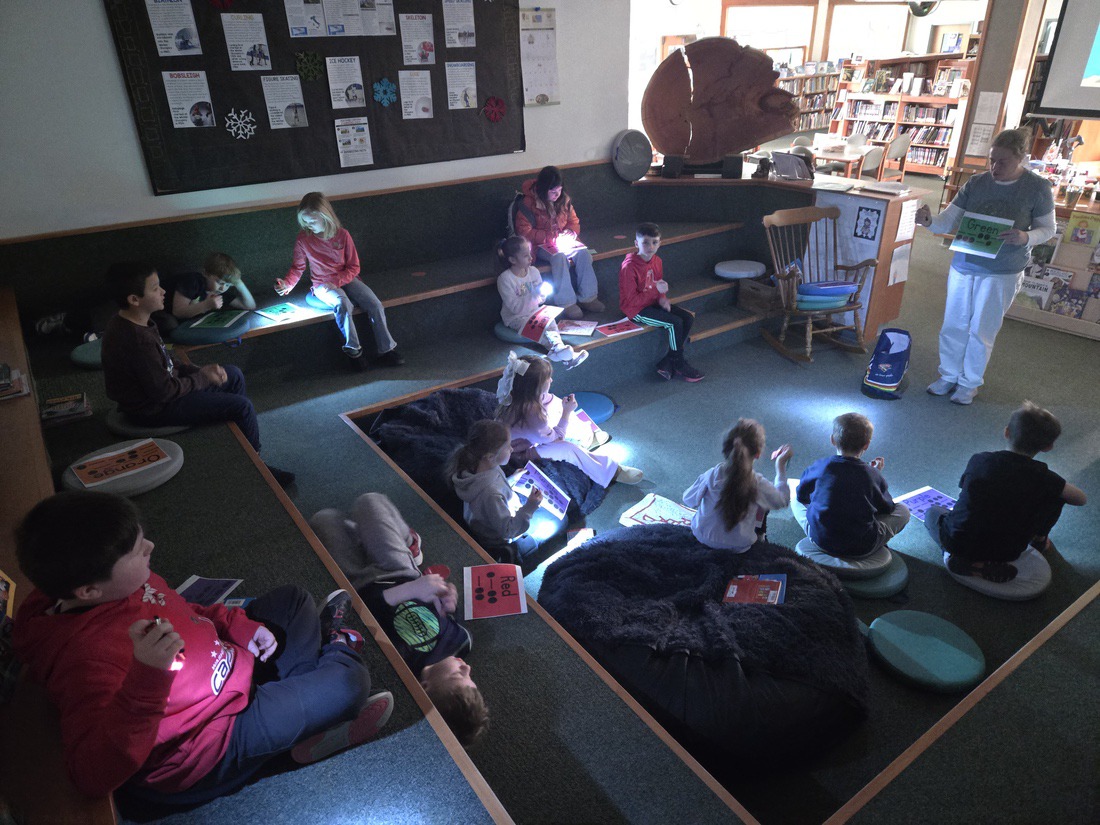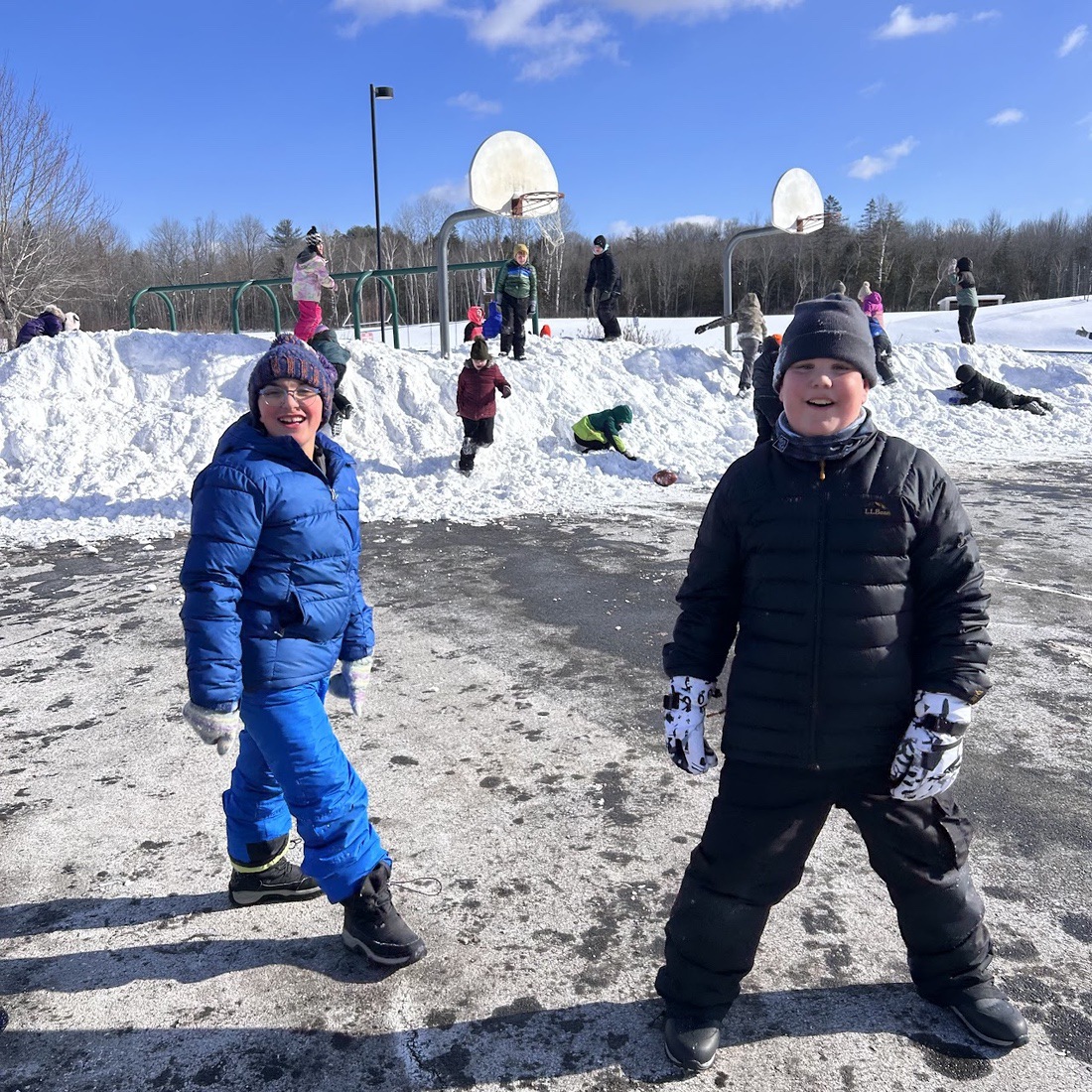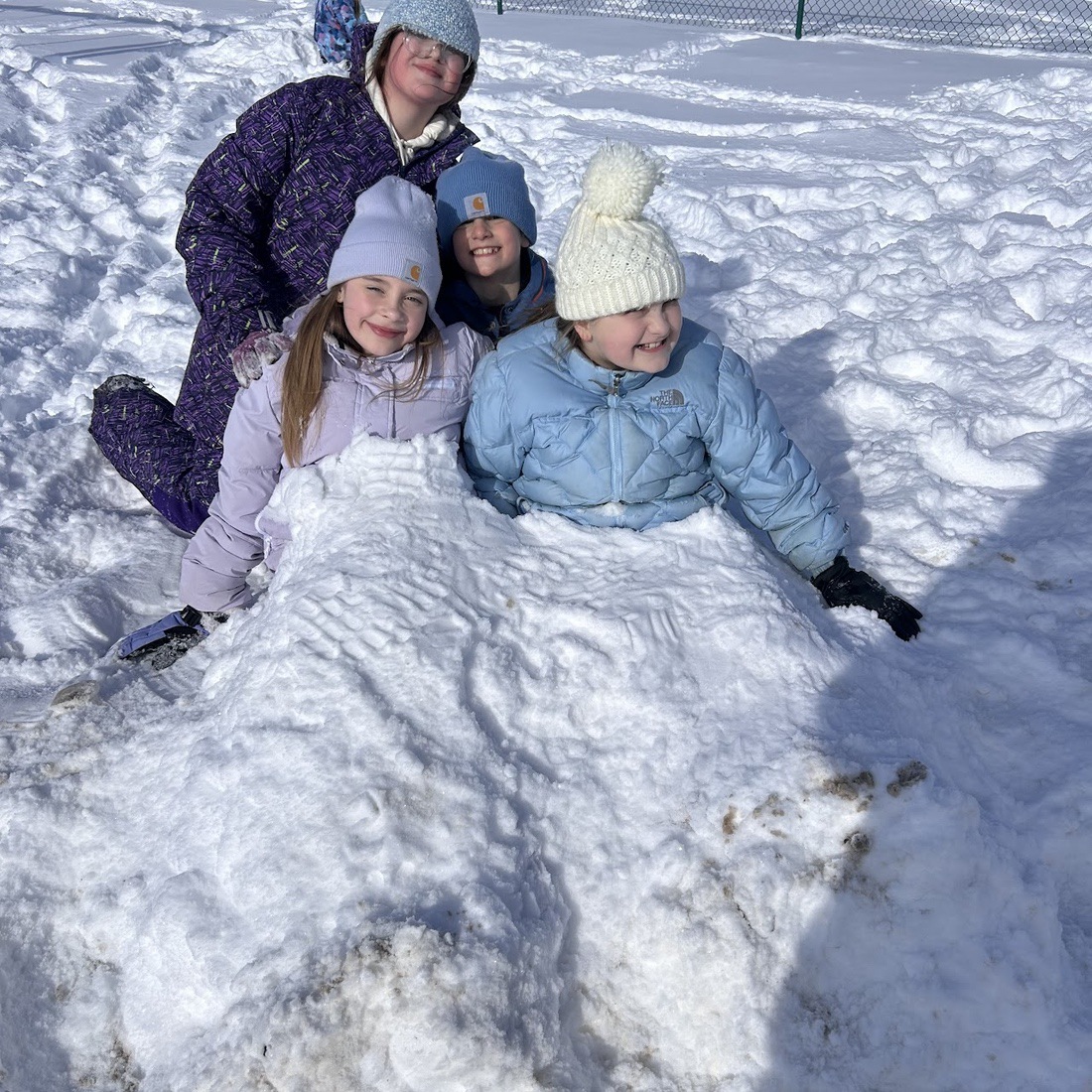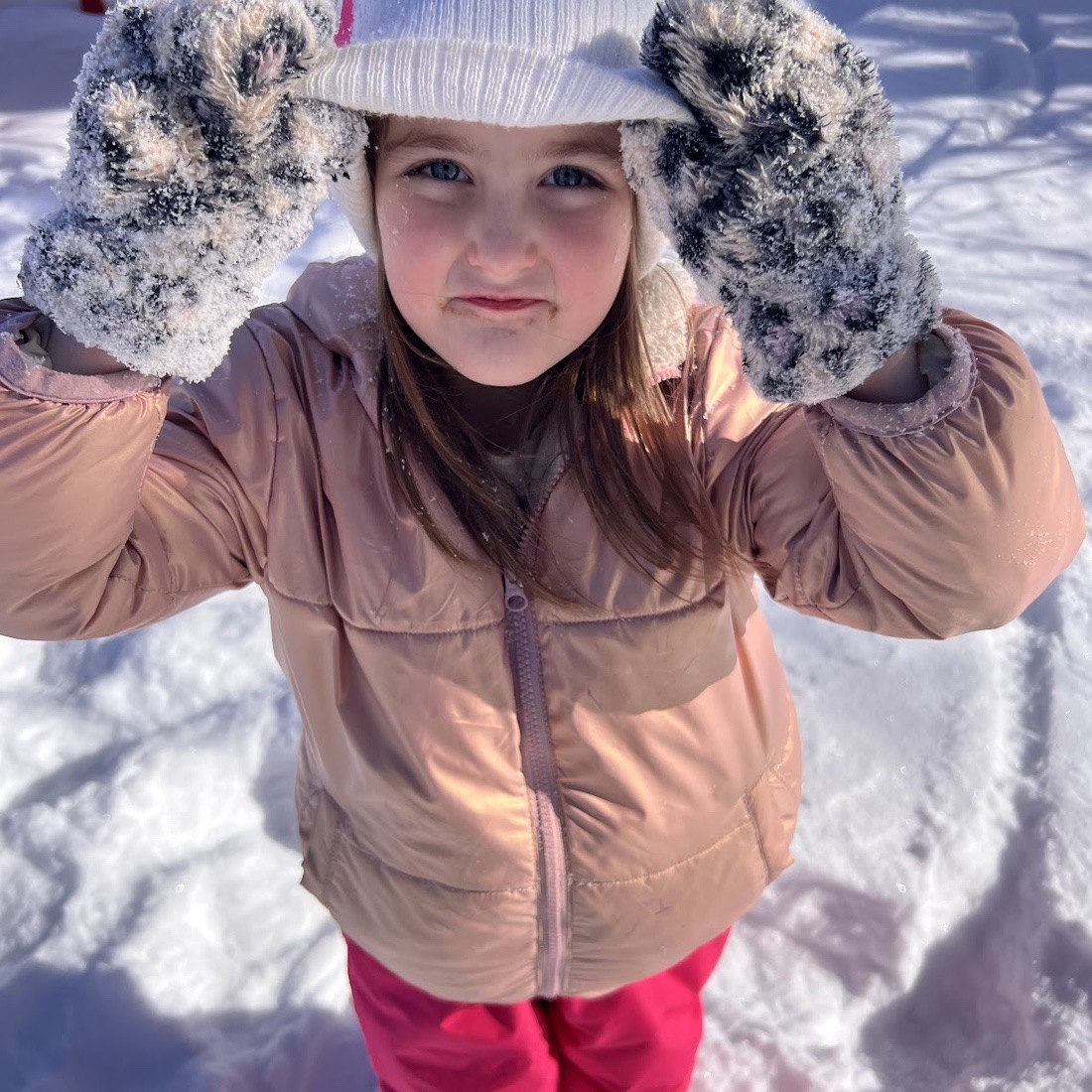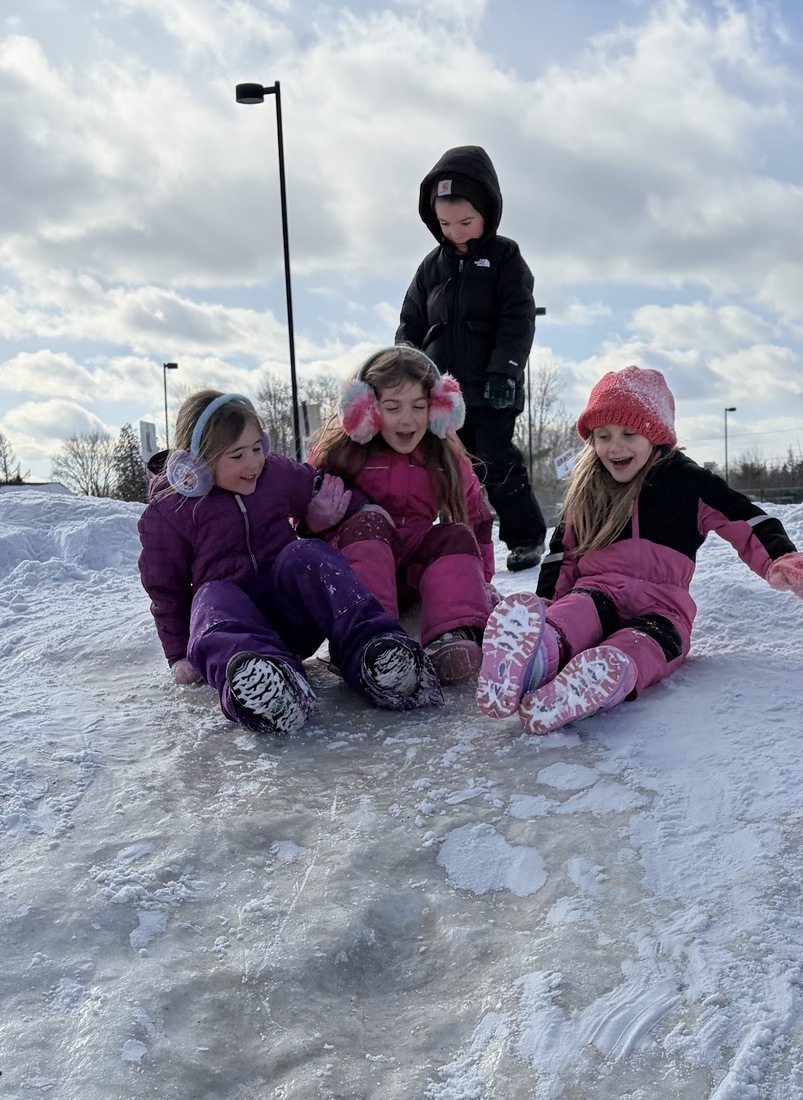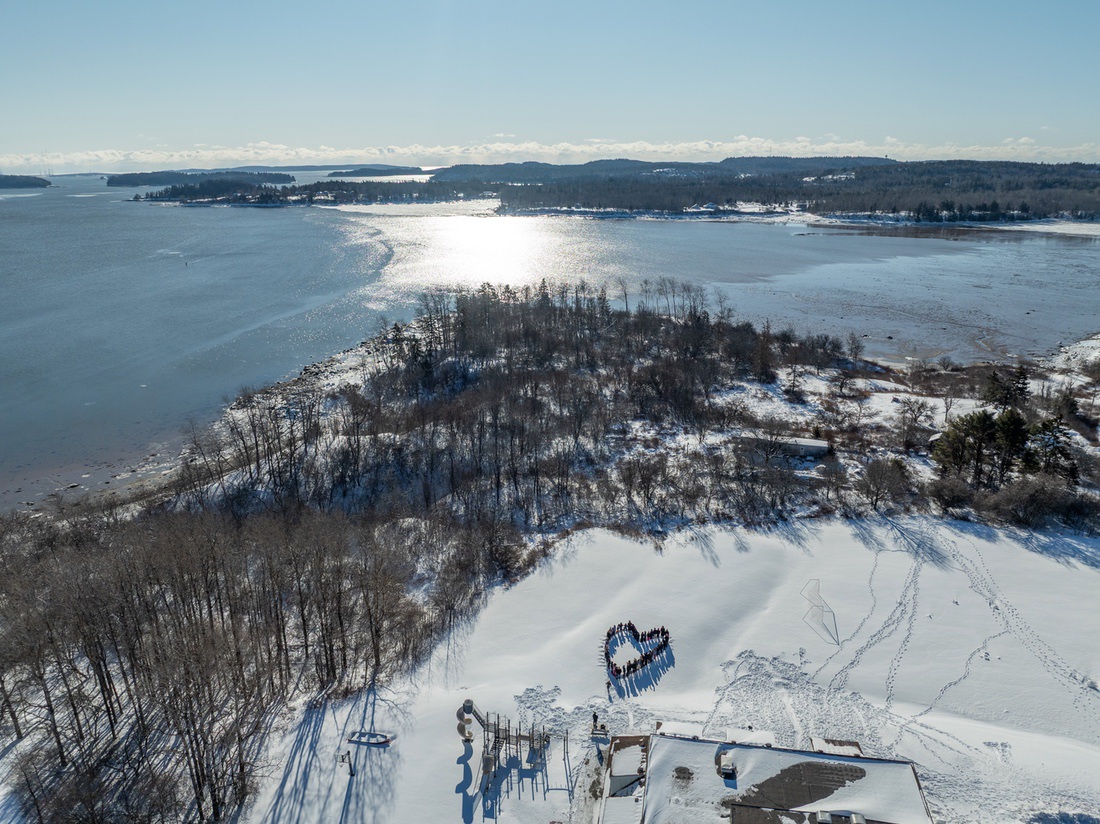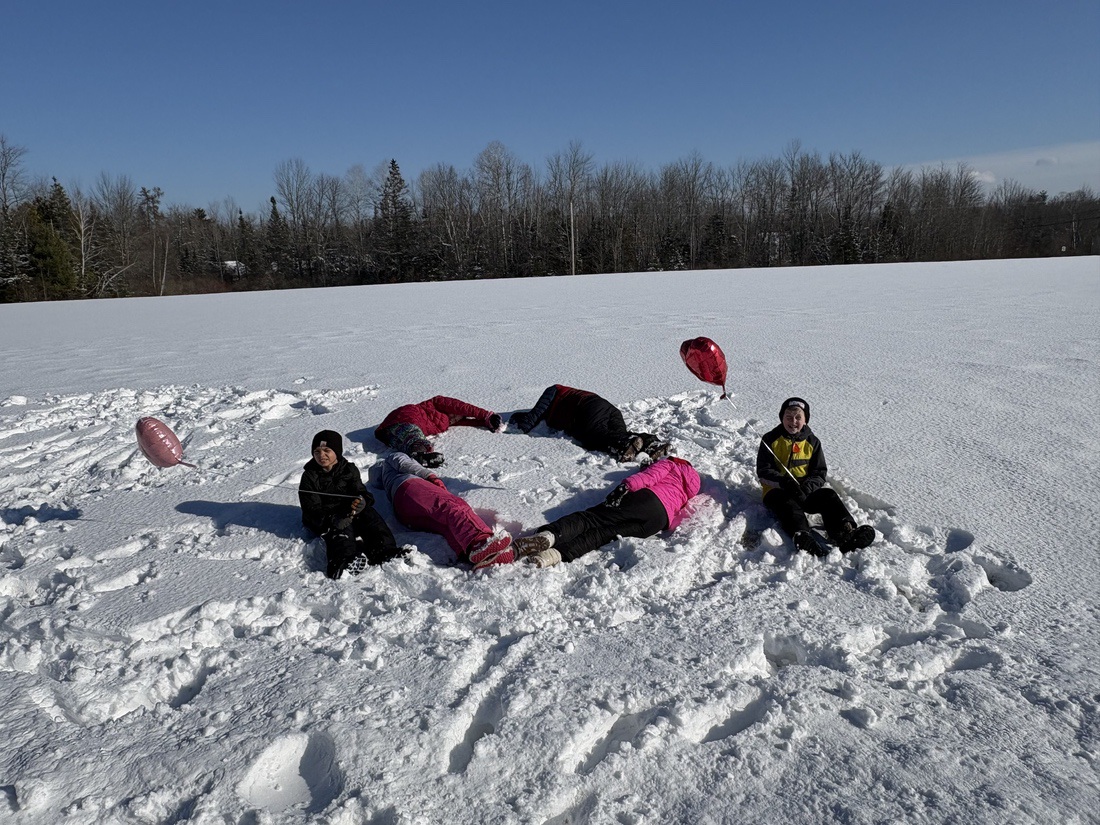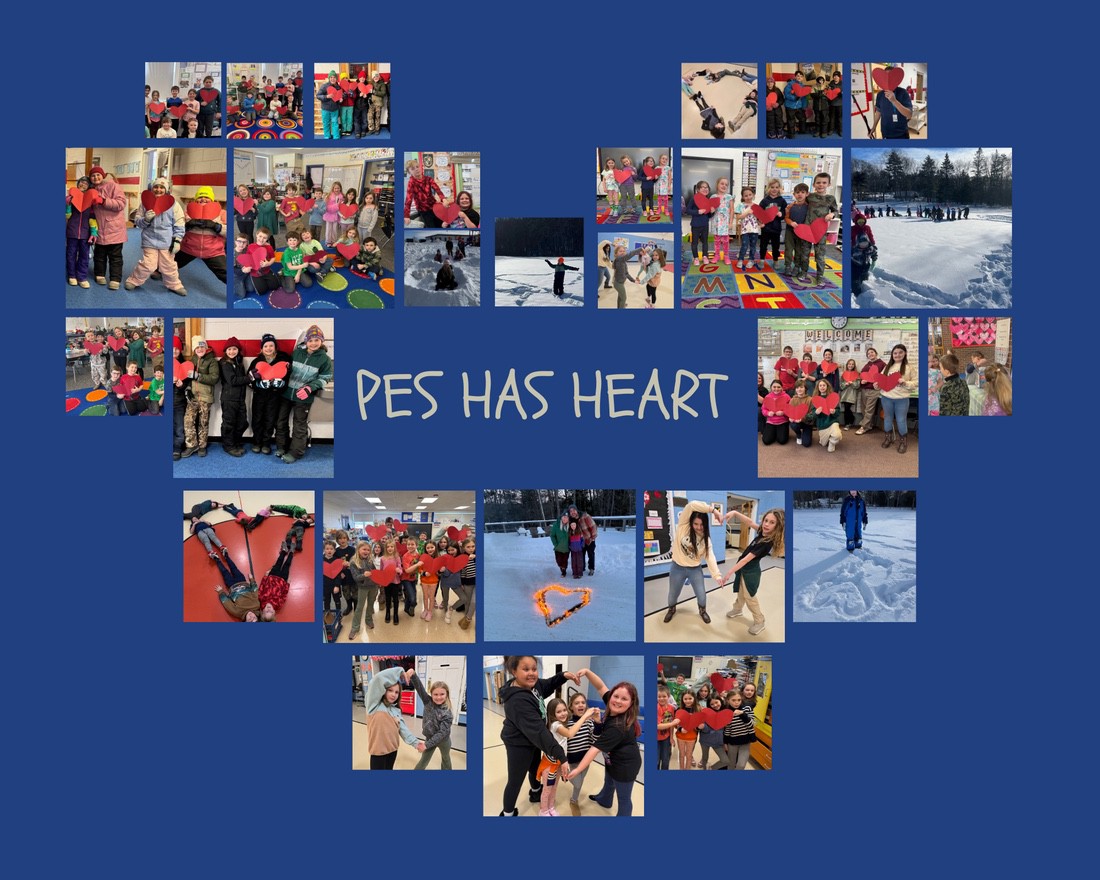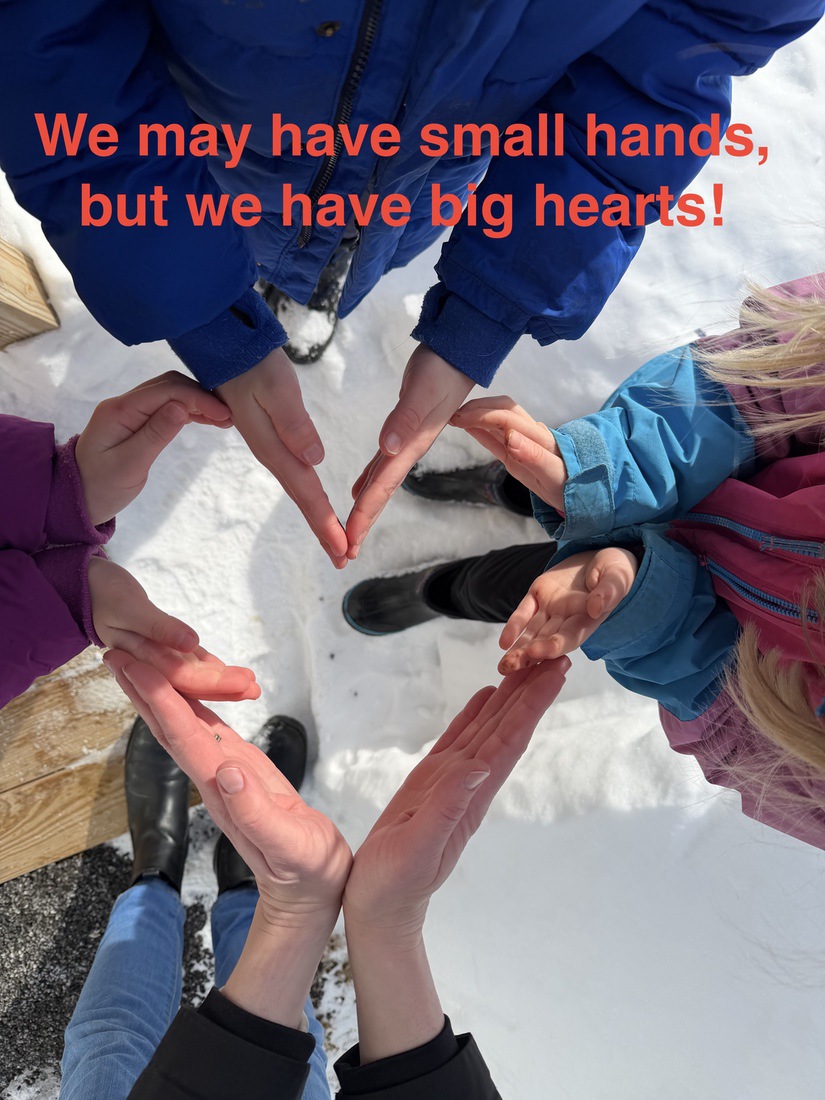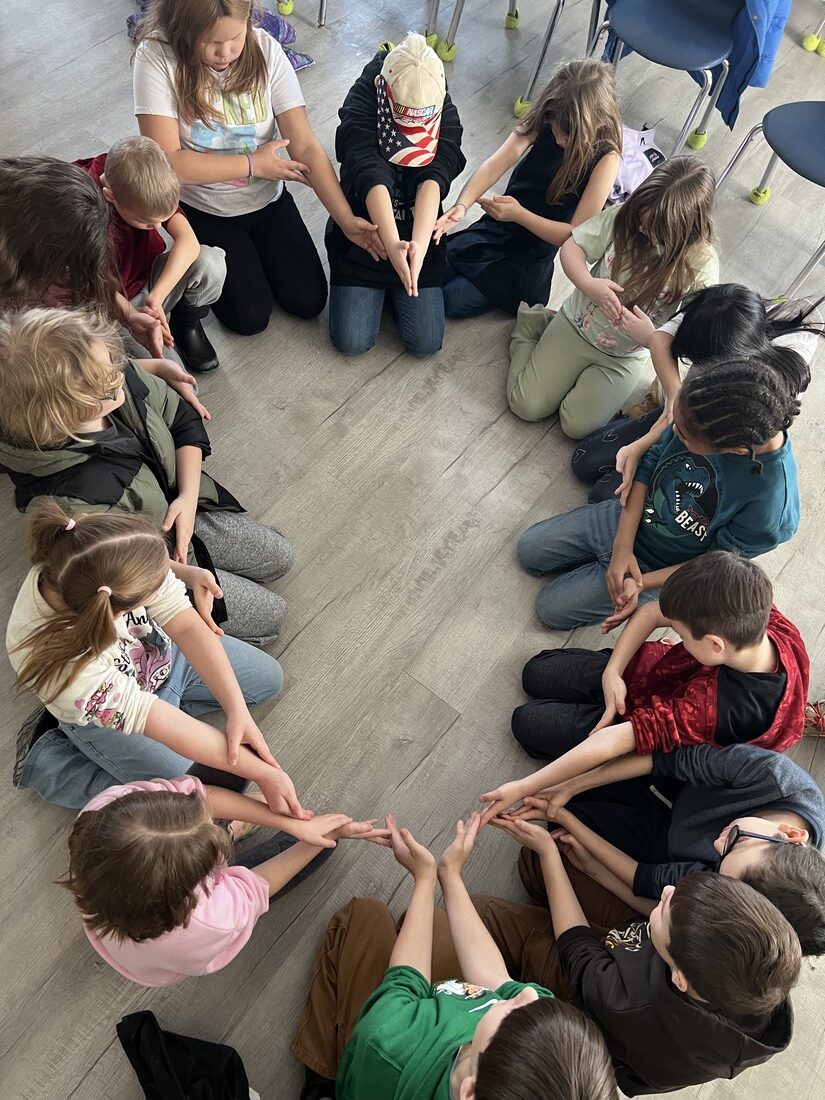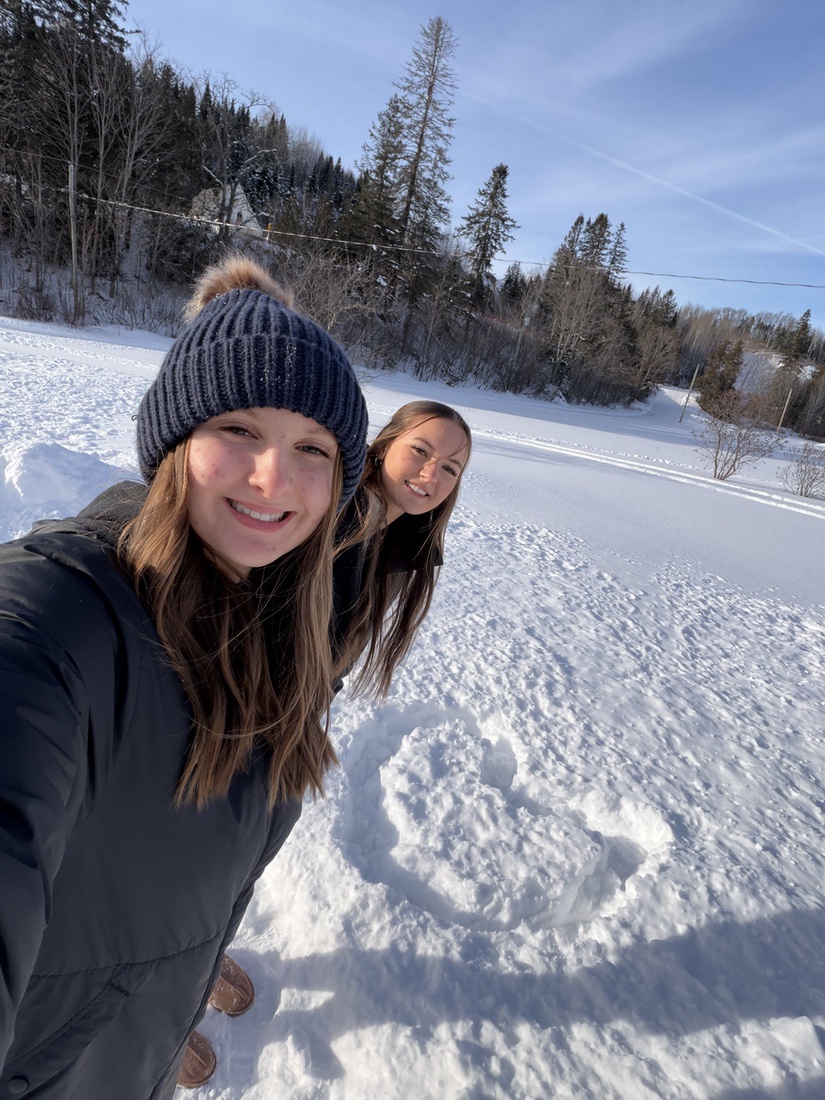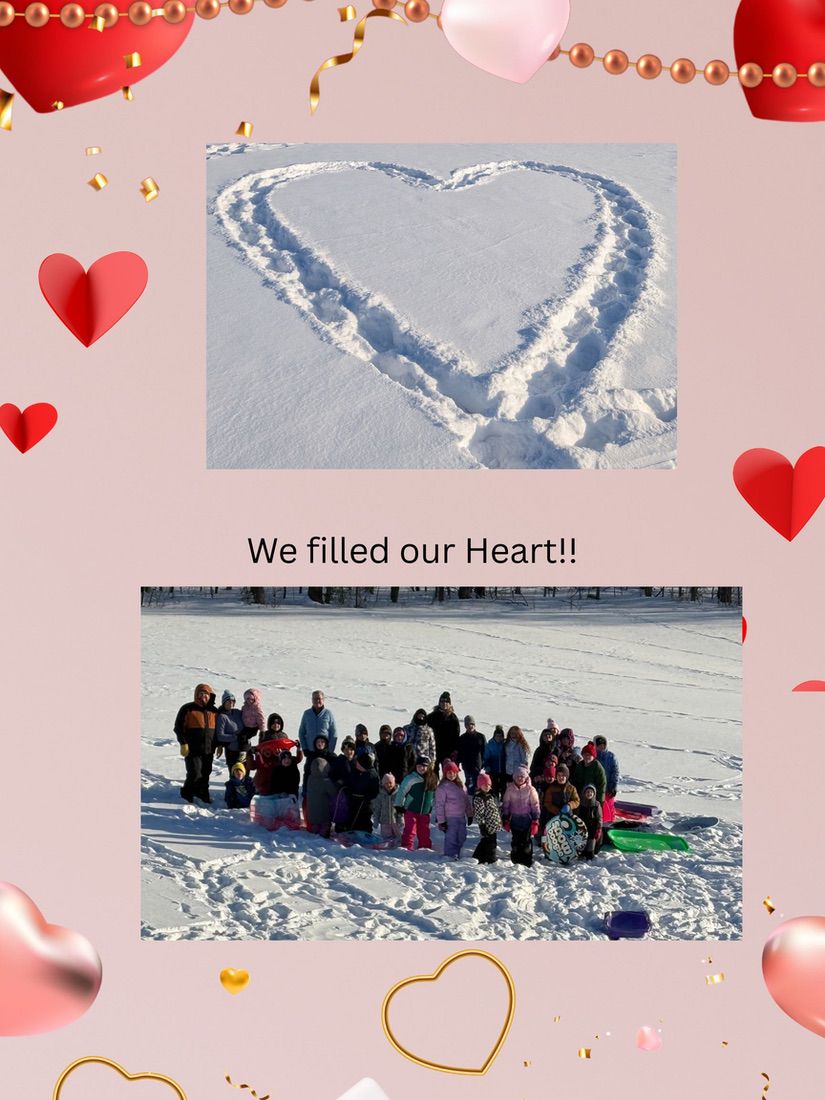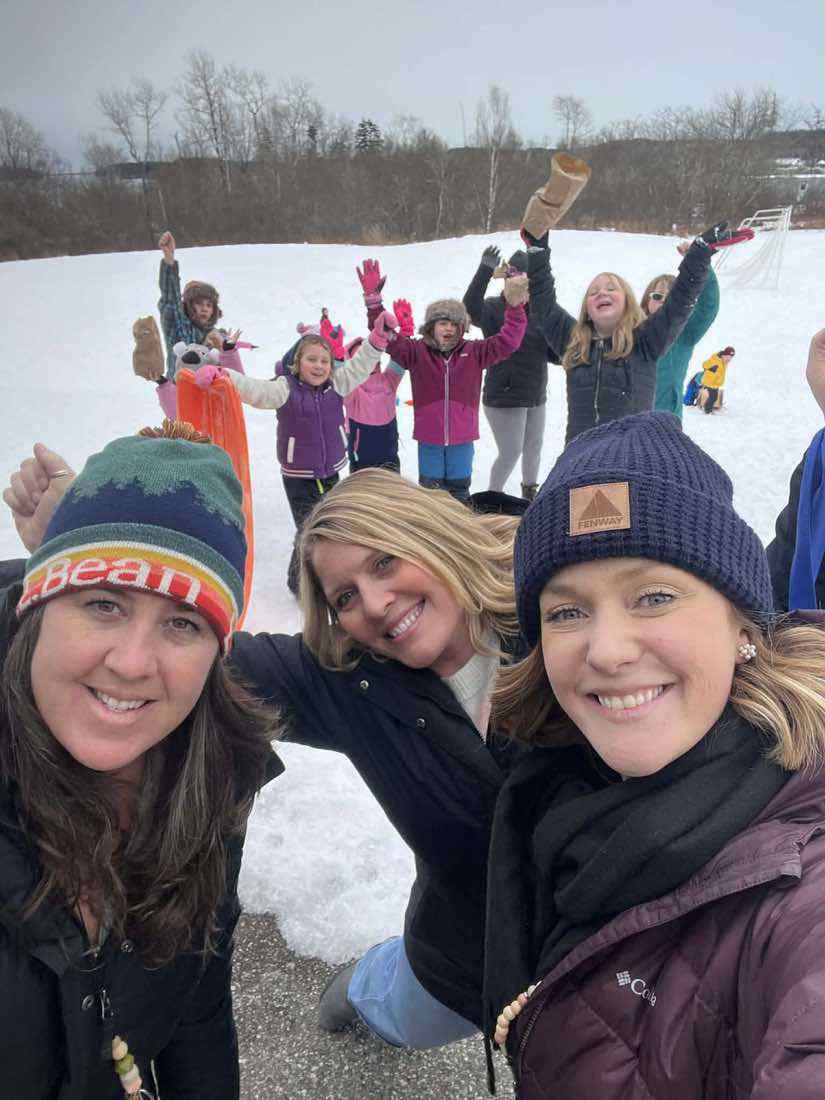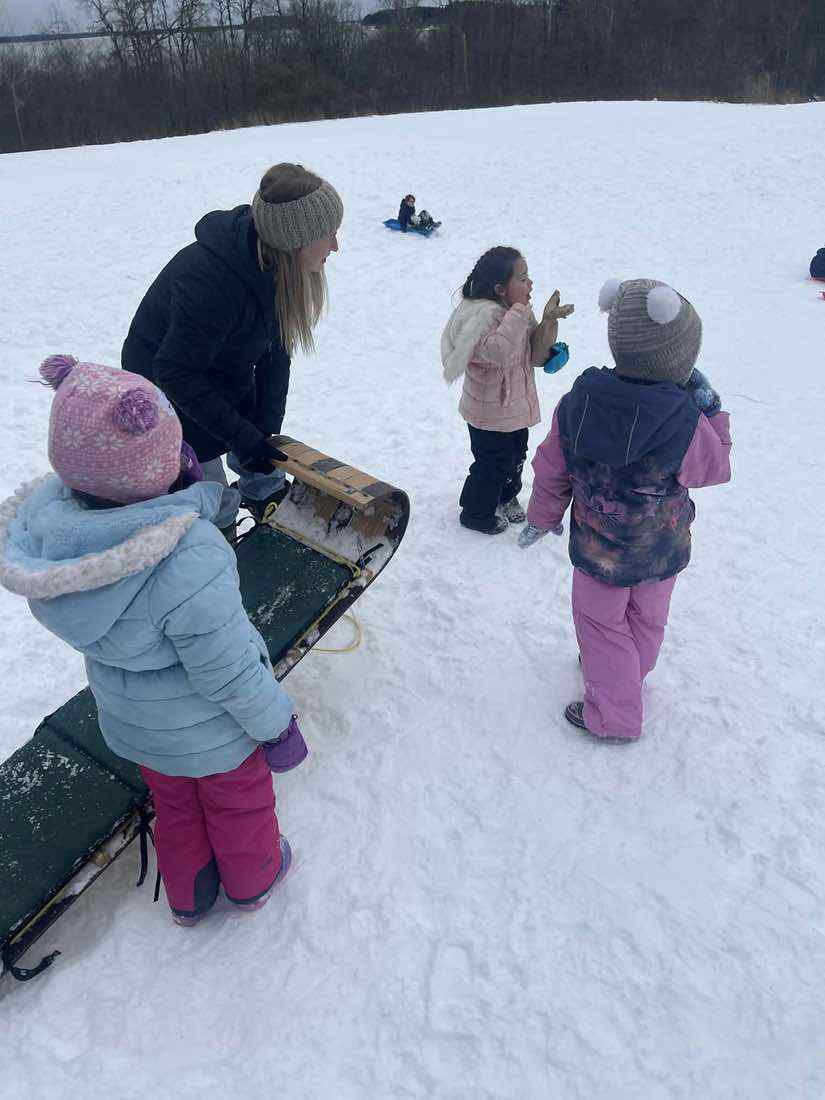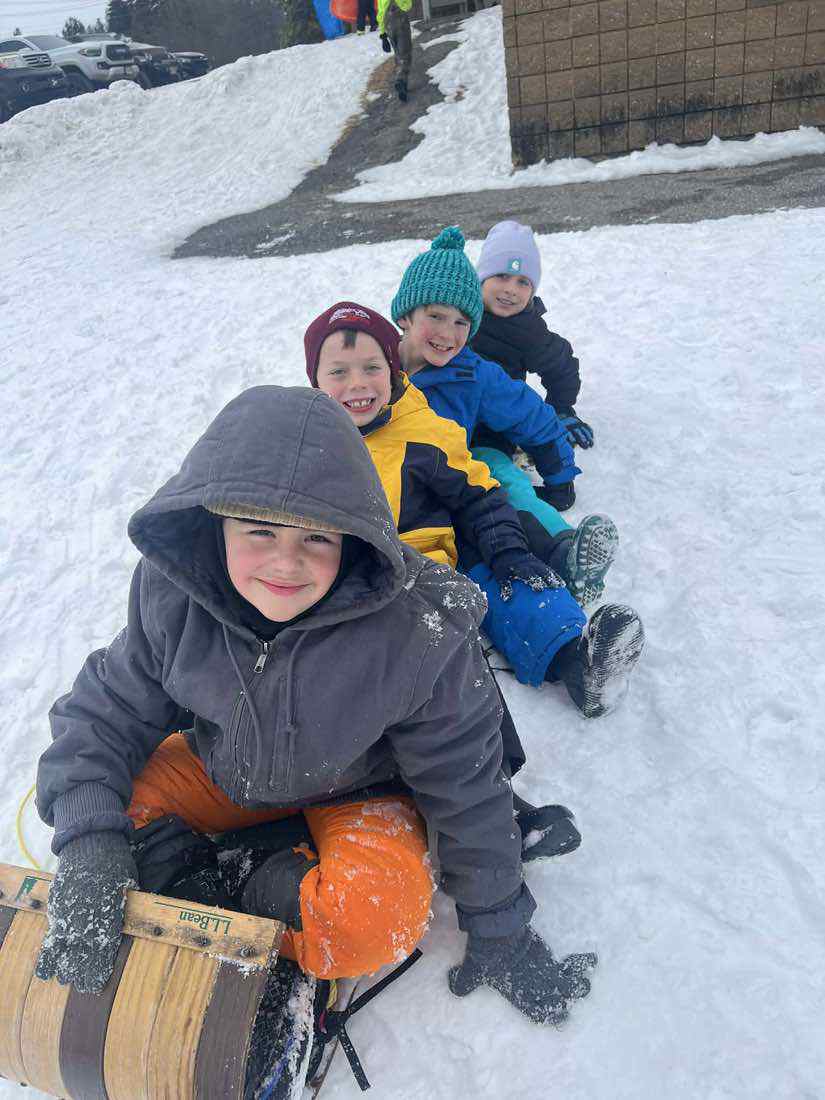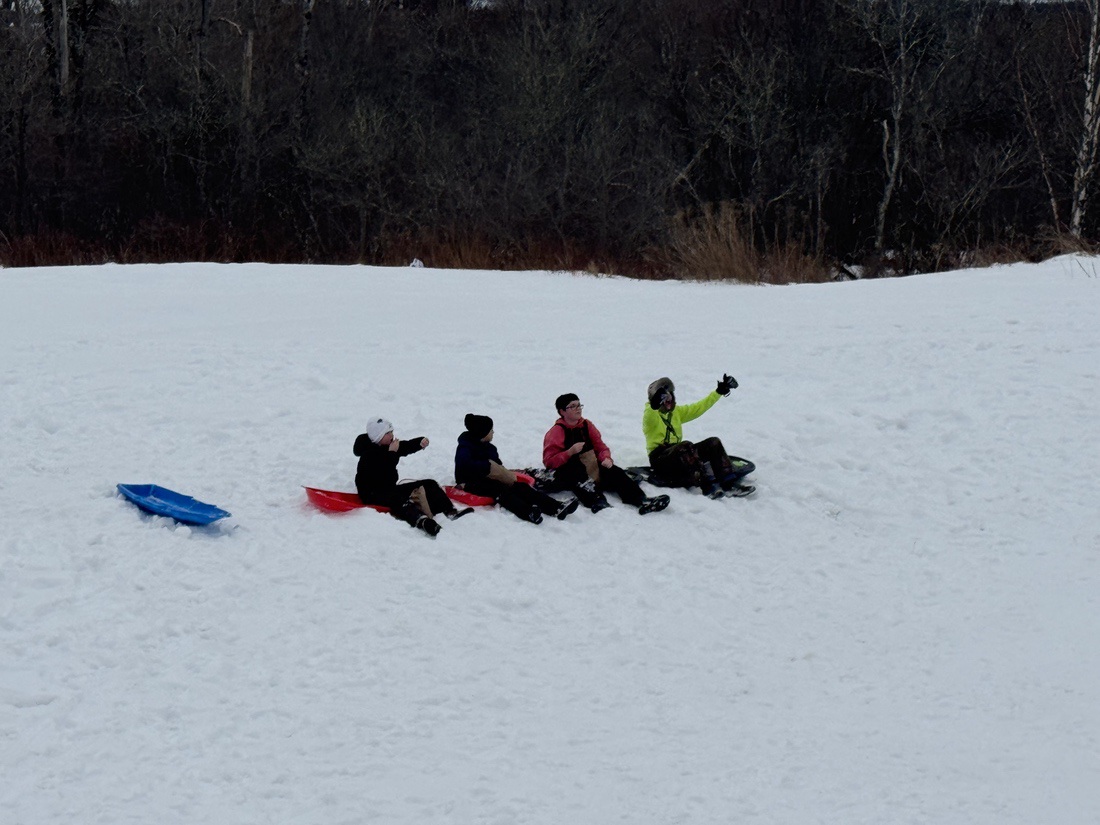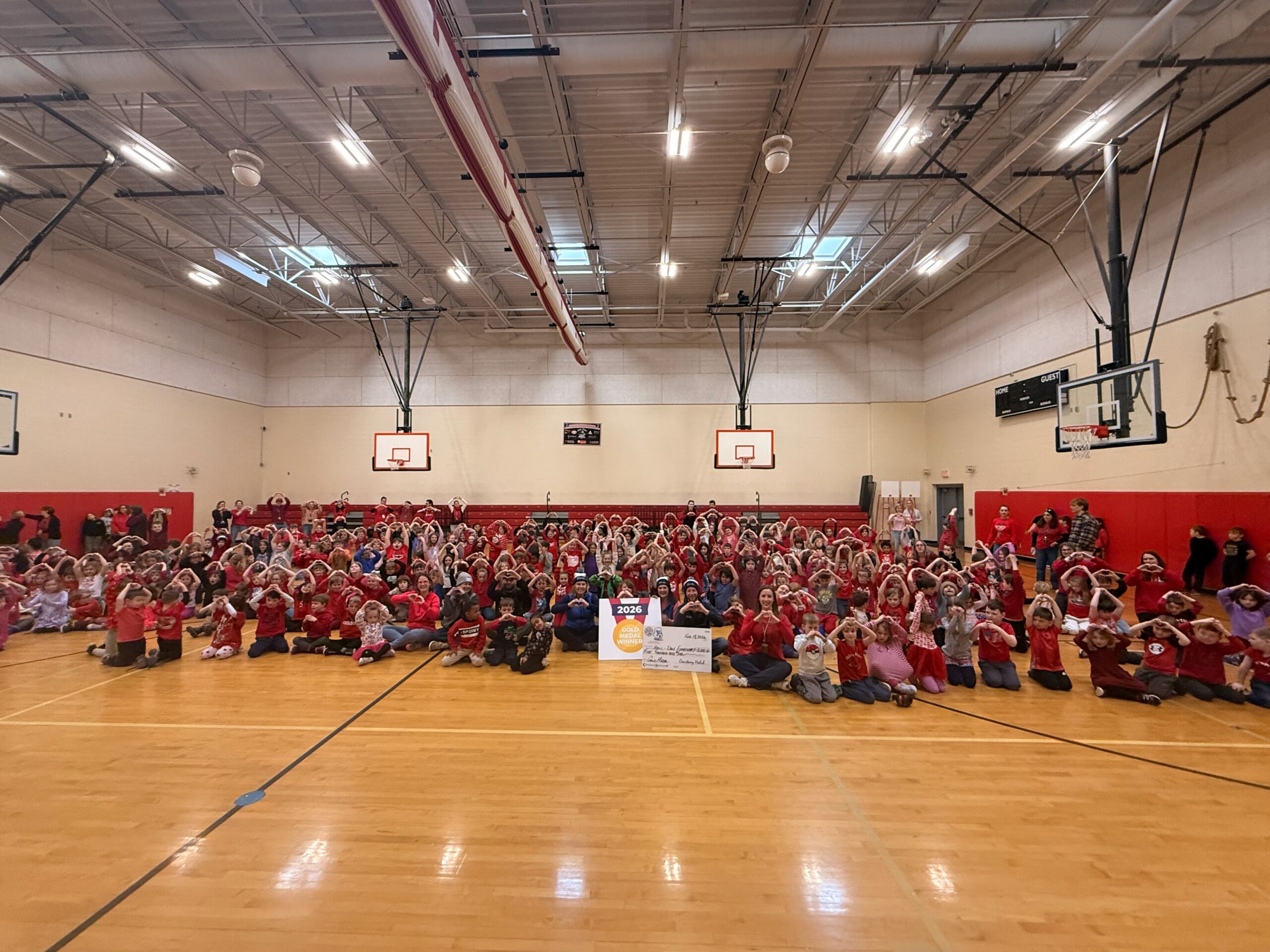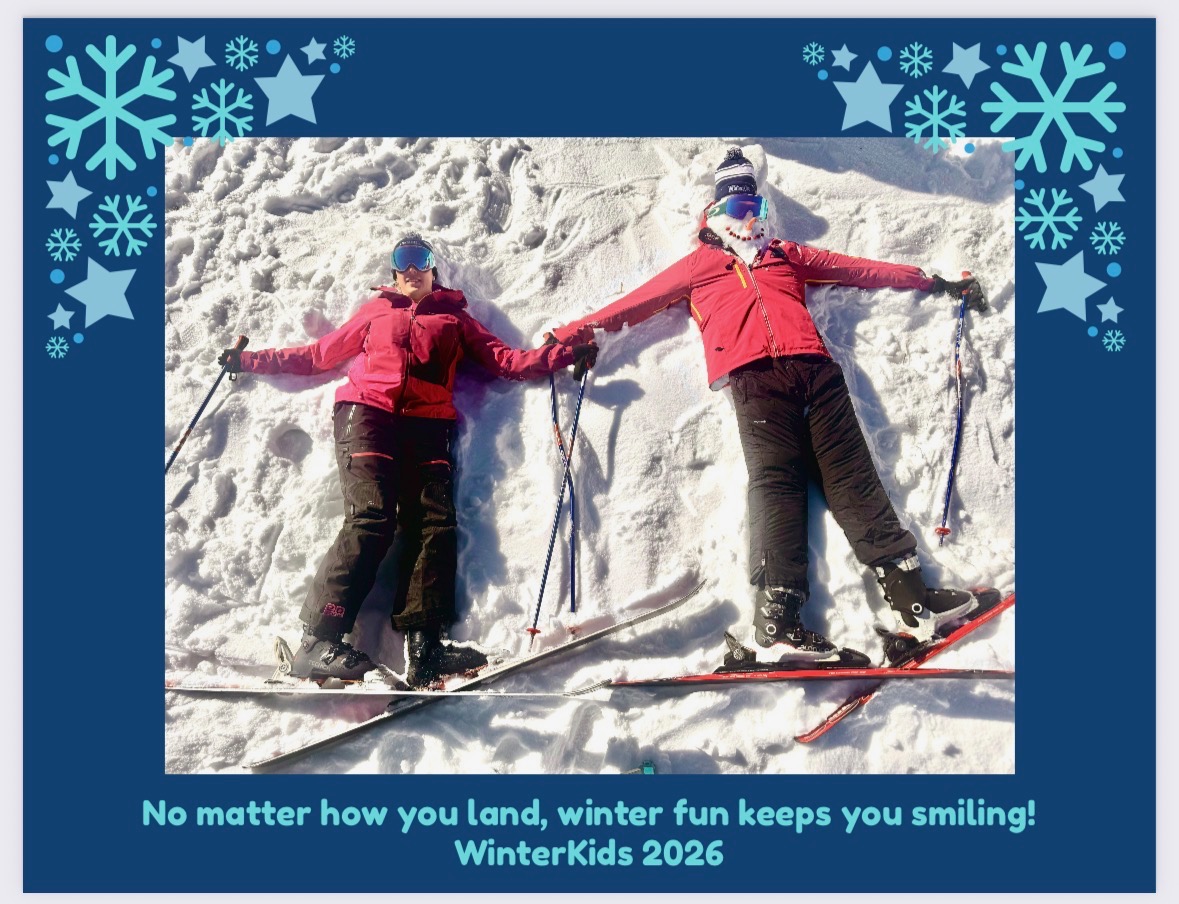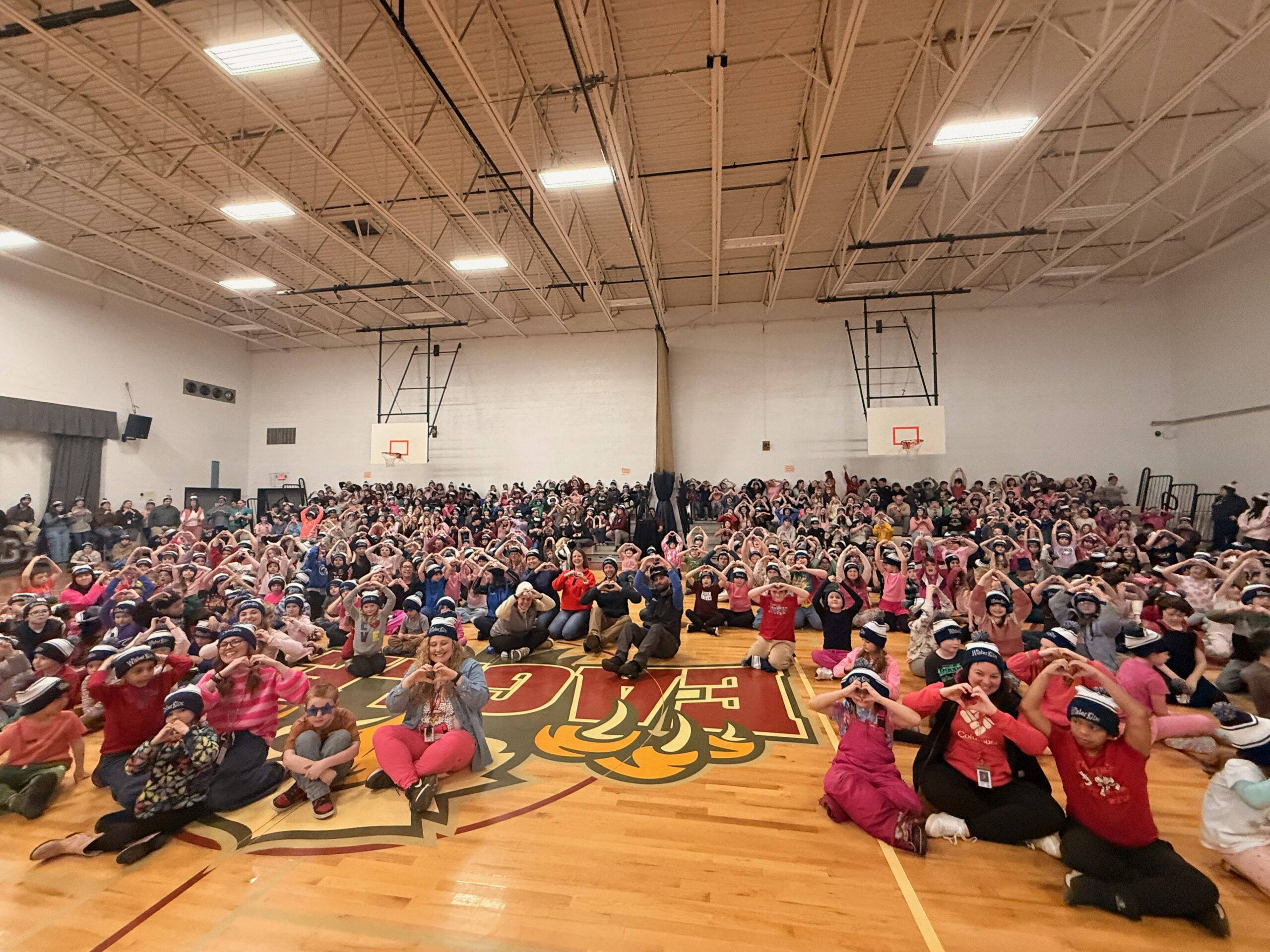
When the final week of the WinterKids Winter Games wrapped up this year, educators across Maine shared a common observation: January flew by and brought them together in unexpected and powerful ways.
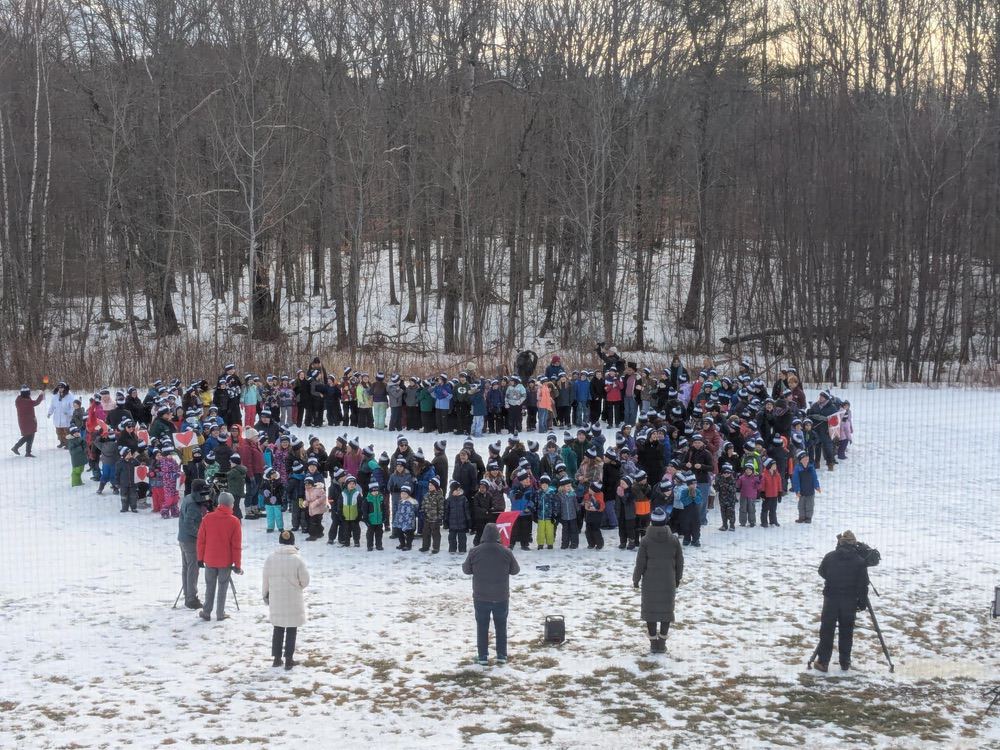
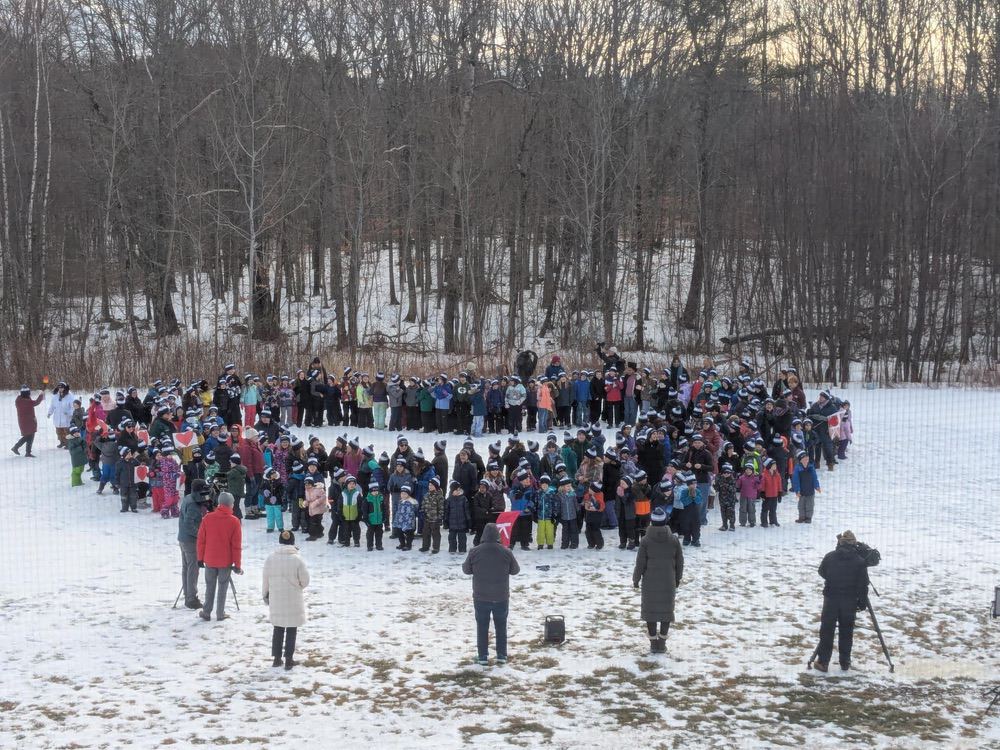
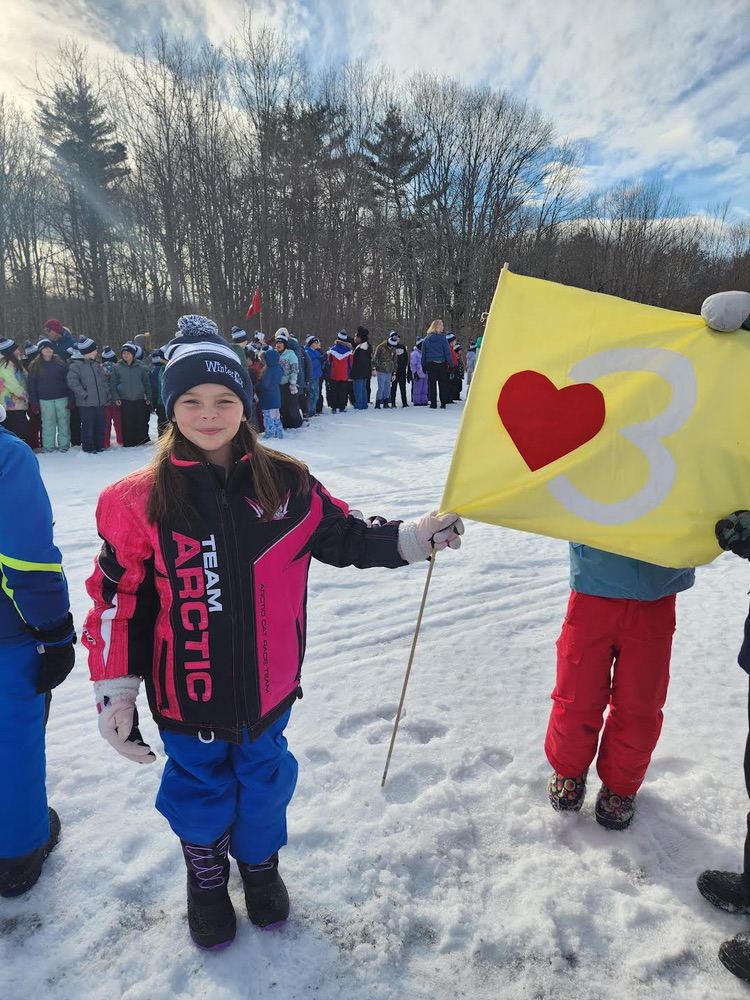
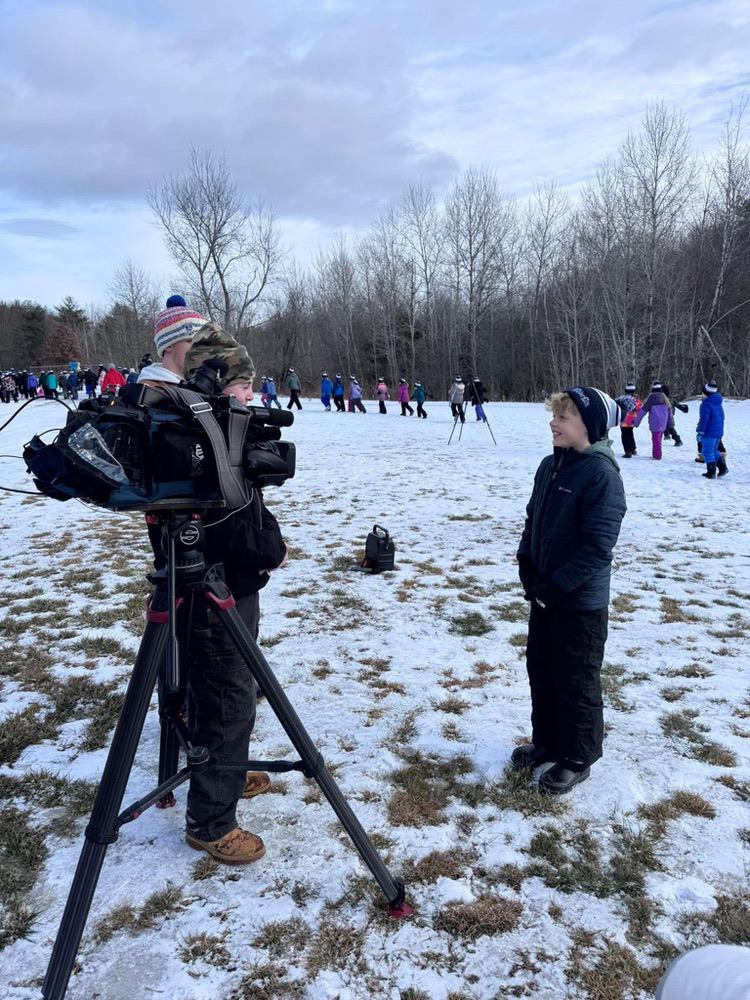
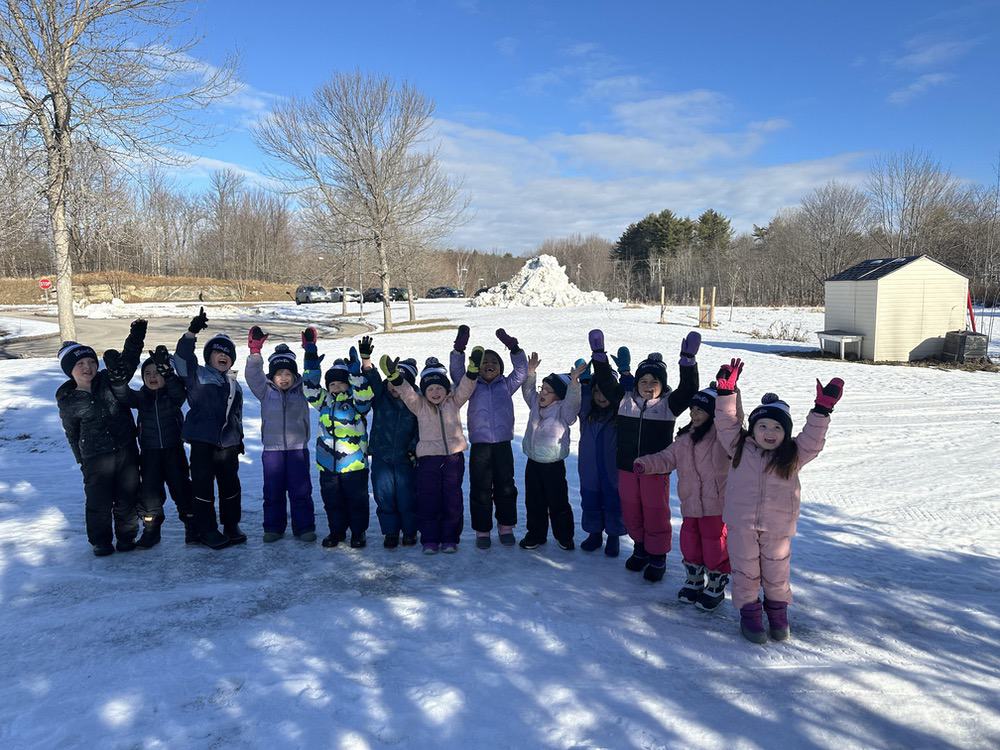
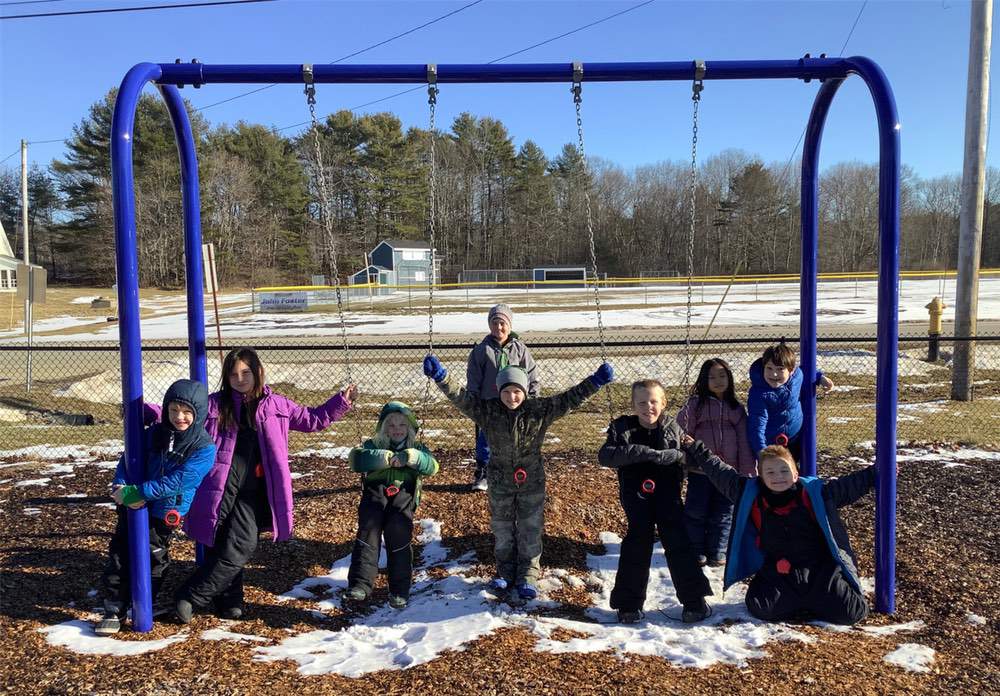
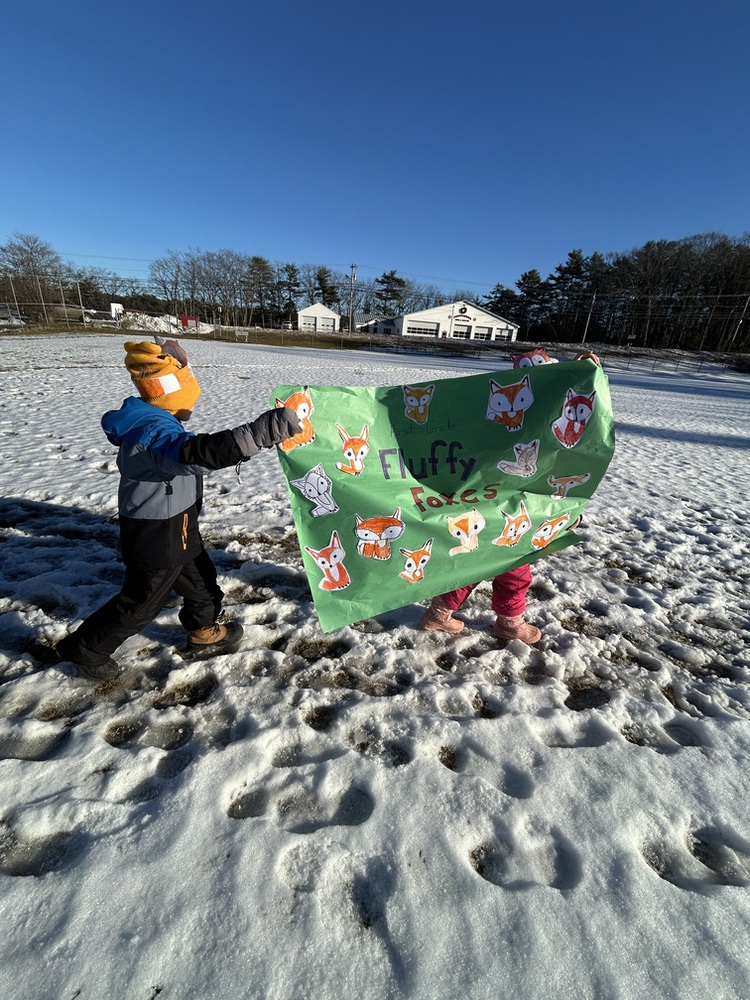
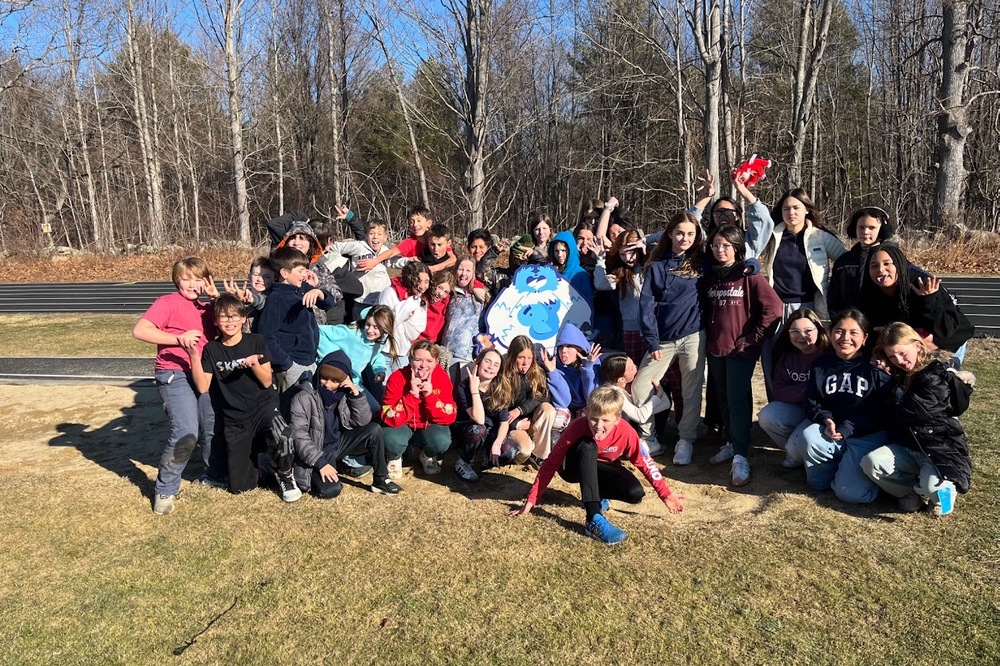
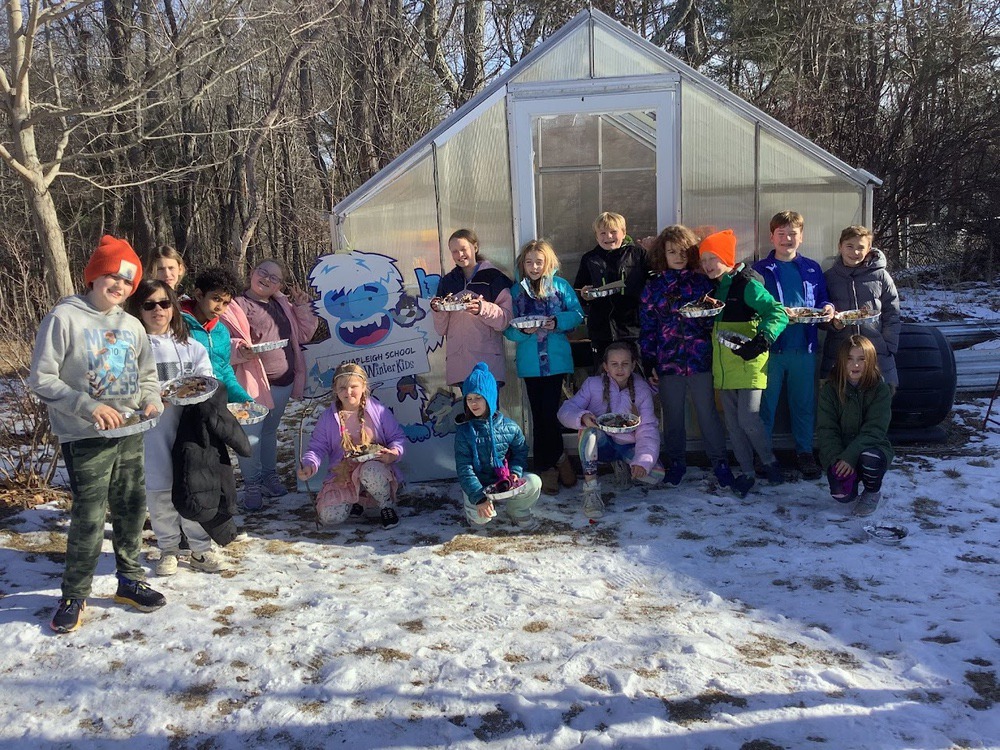
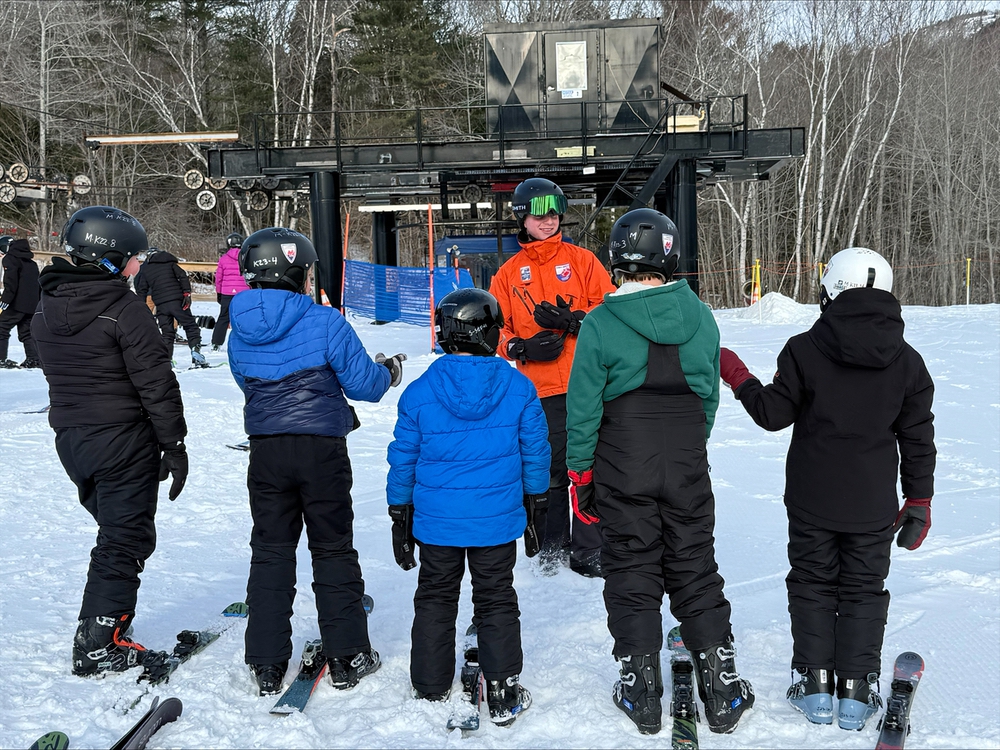
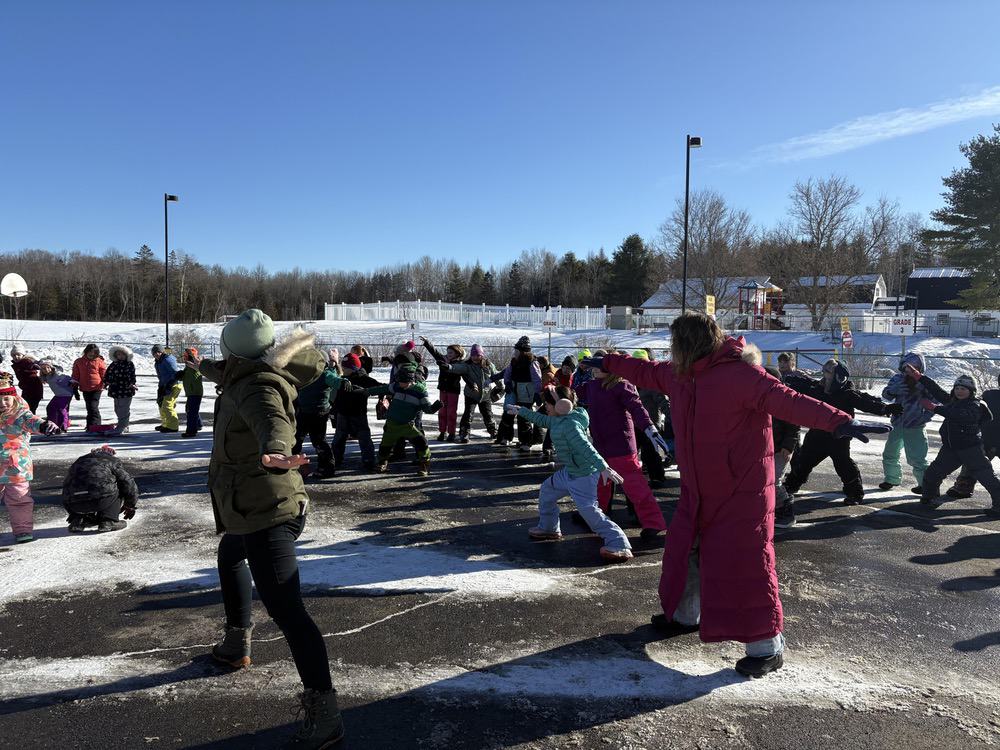
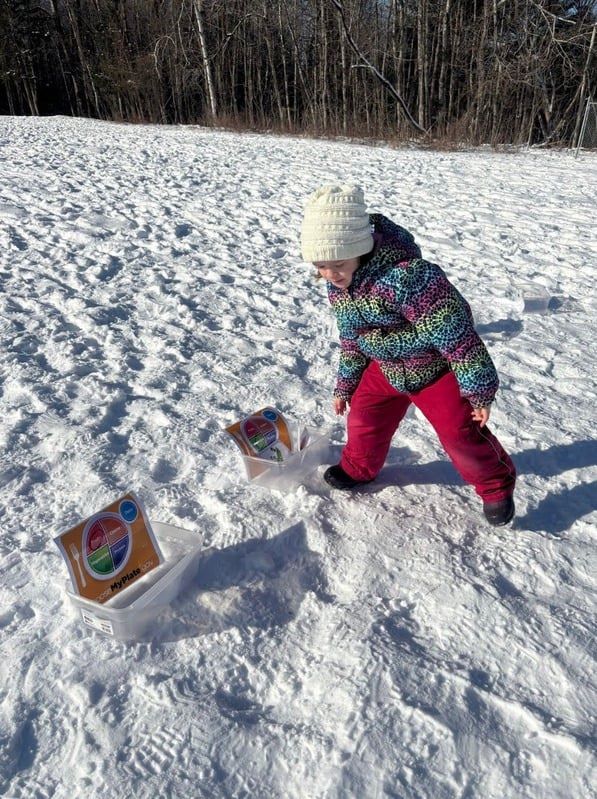
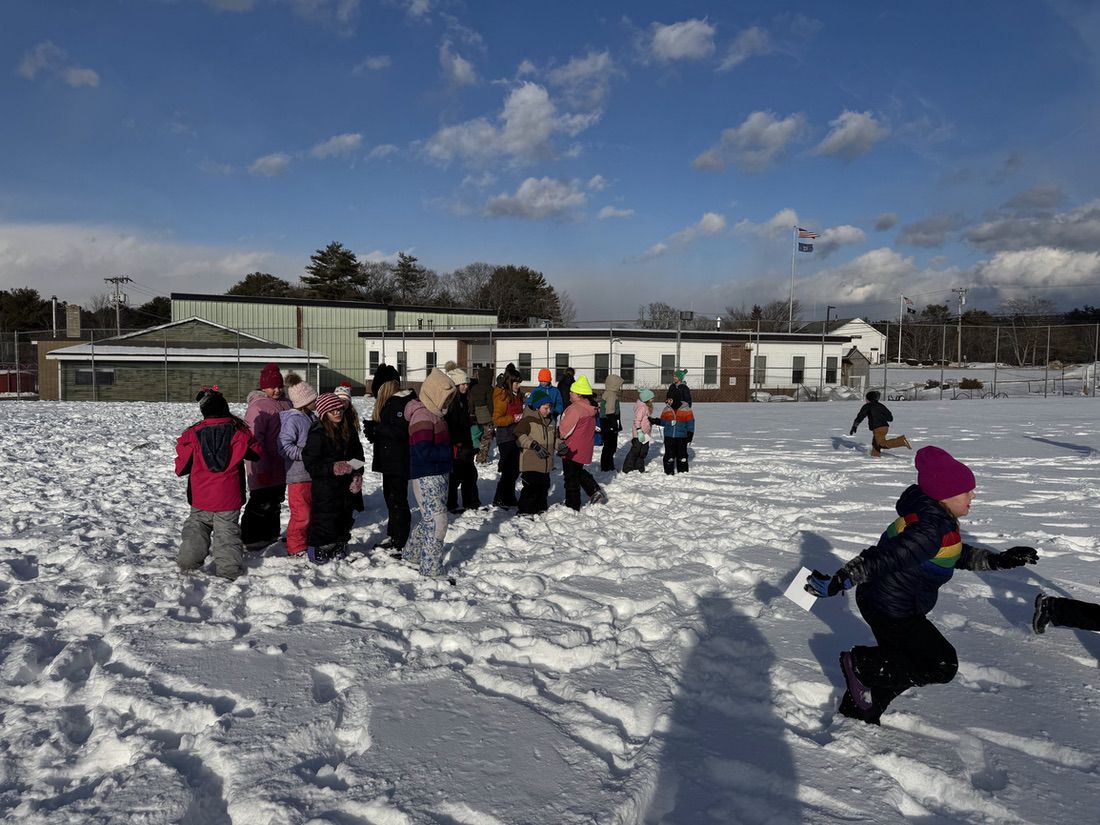
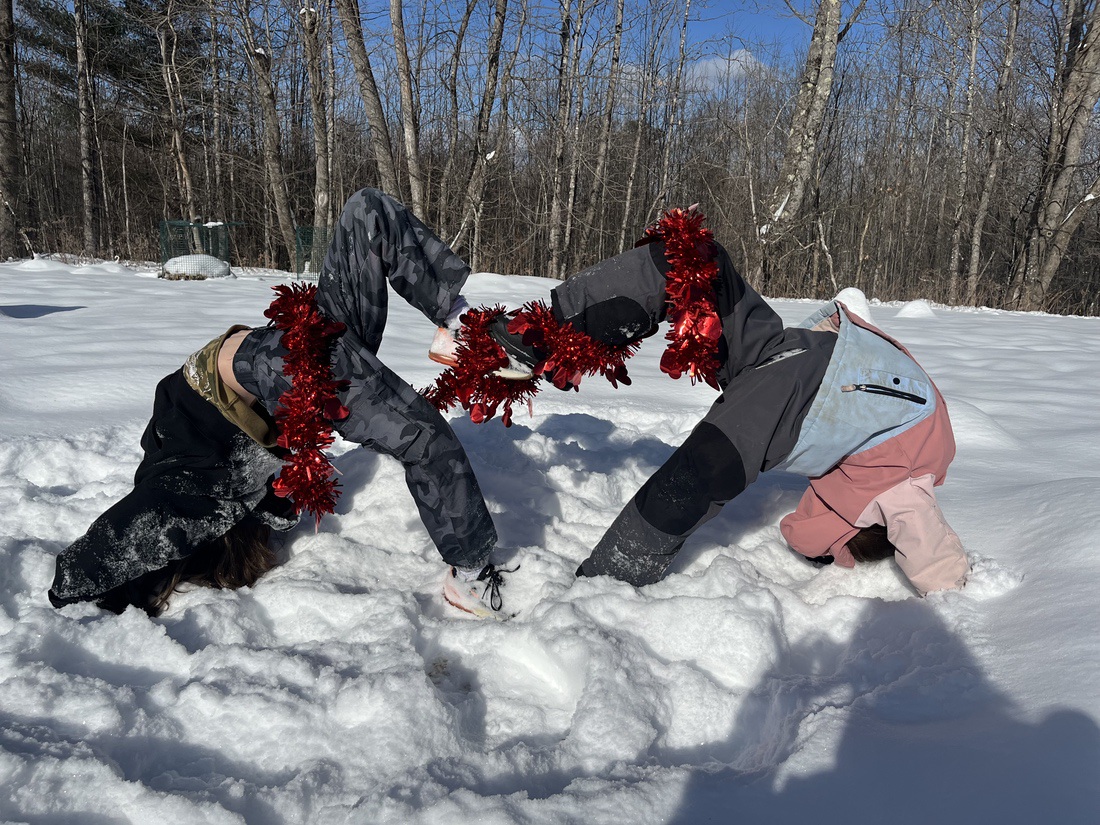
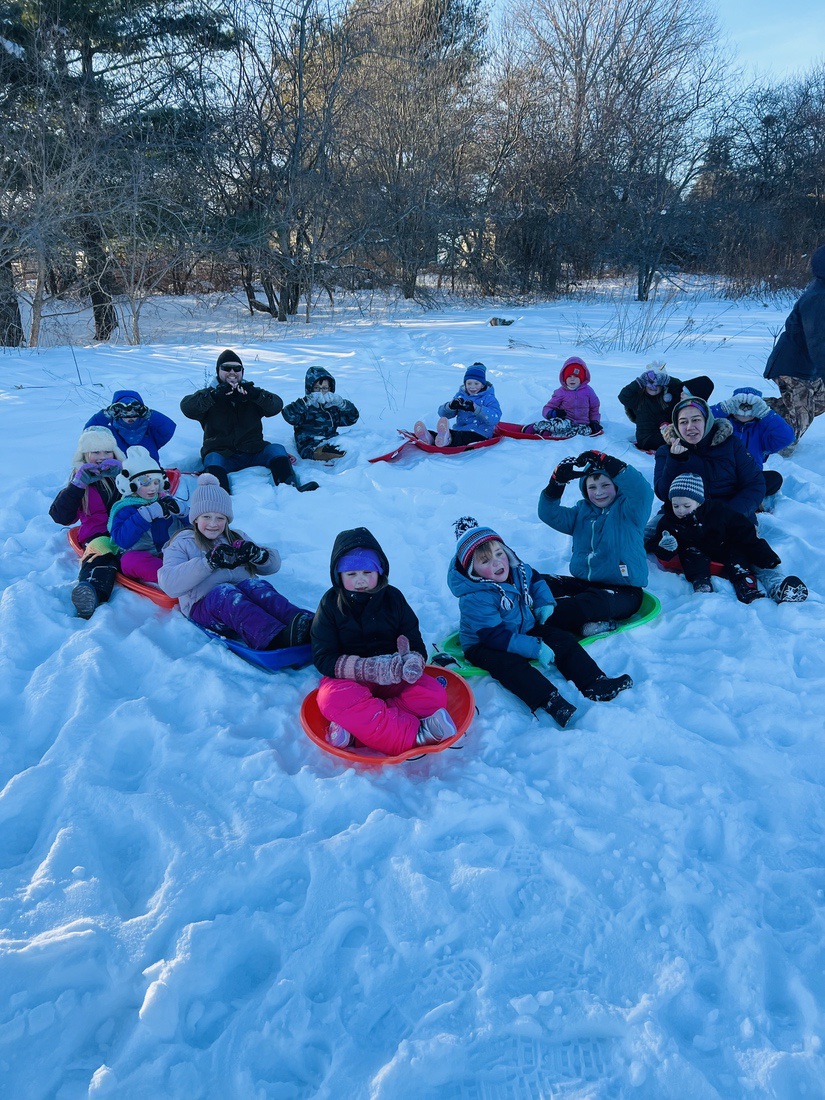
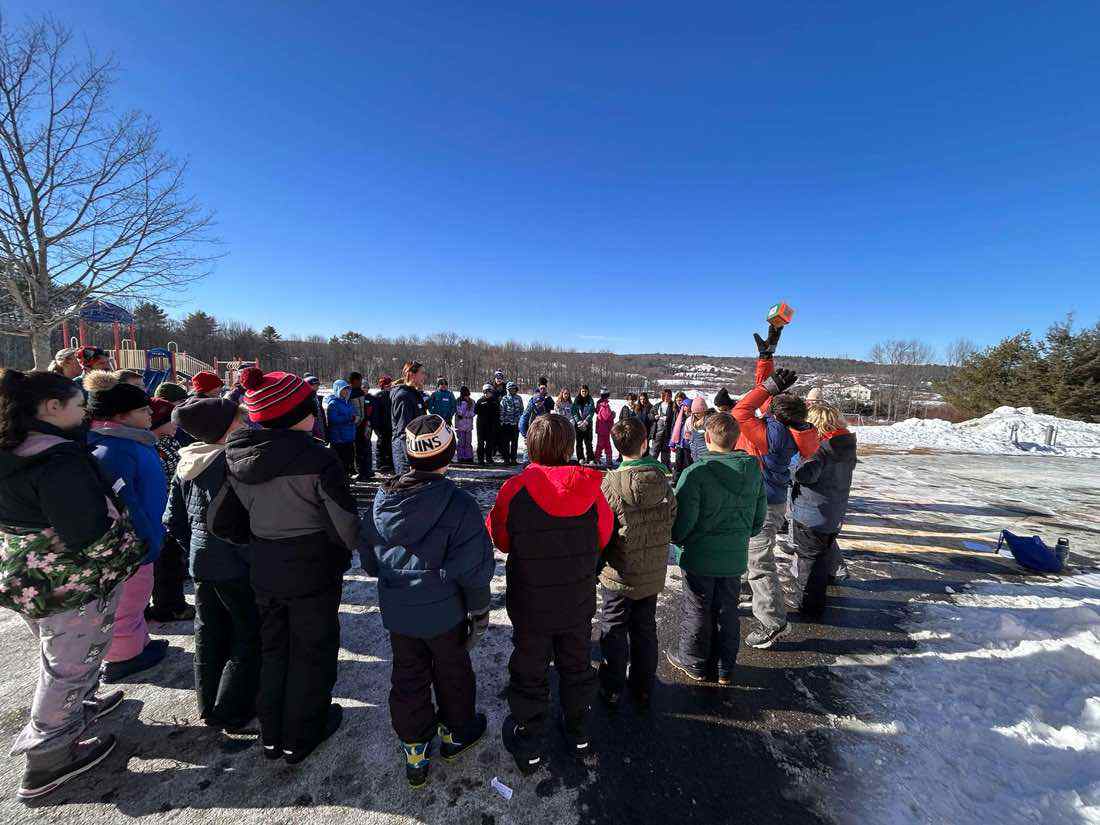
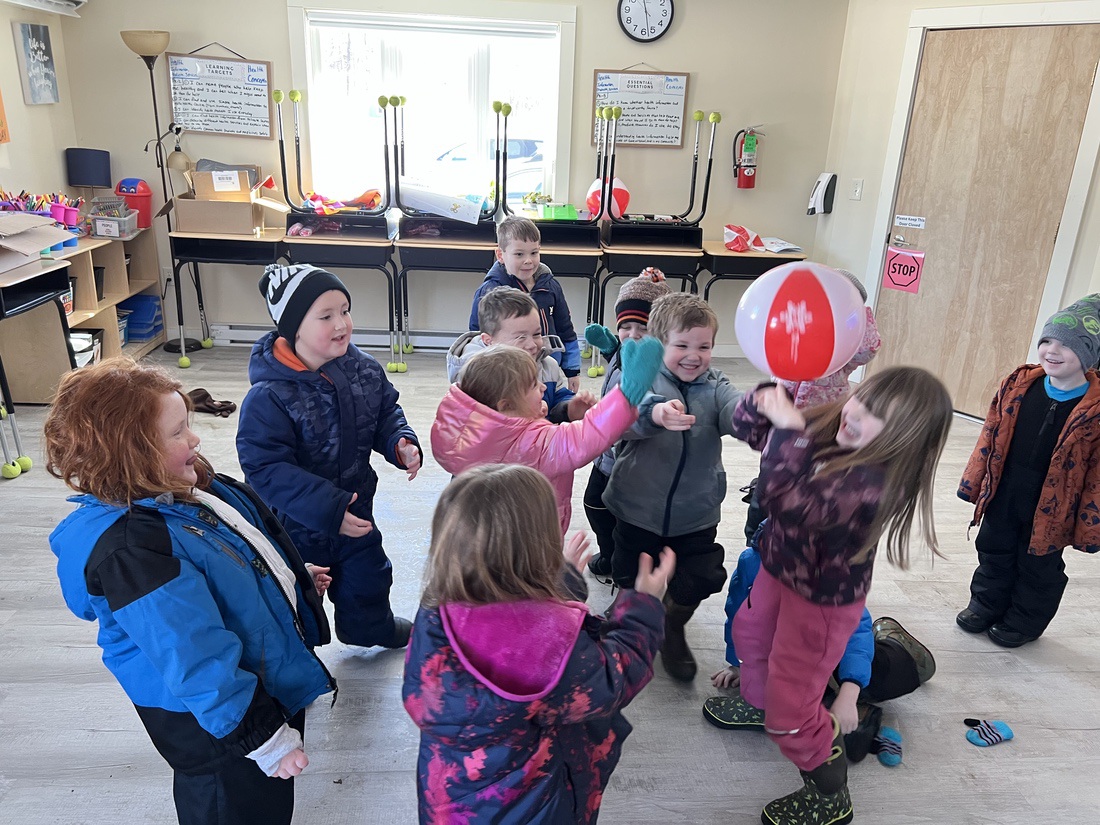
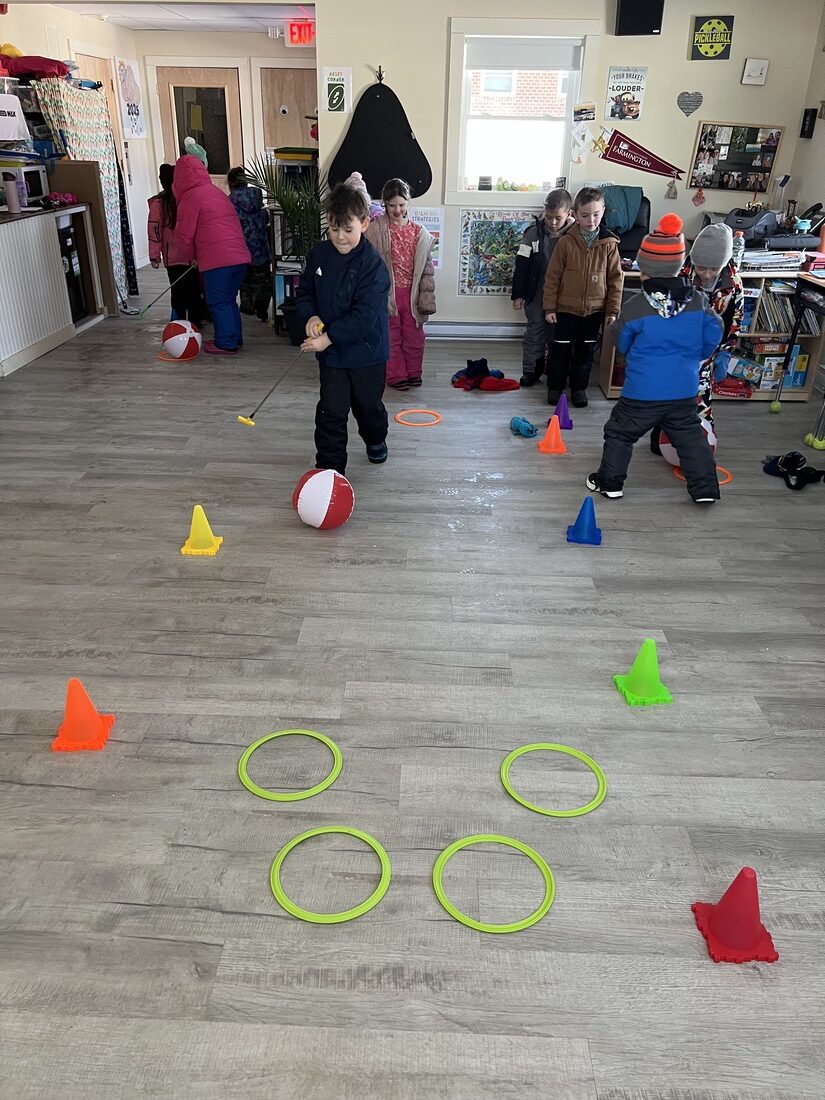
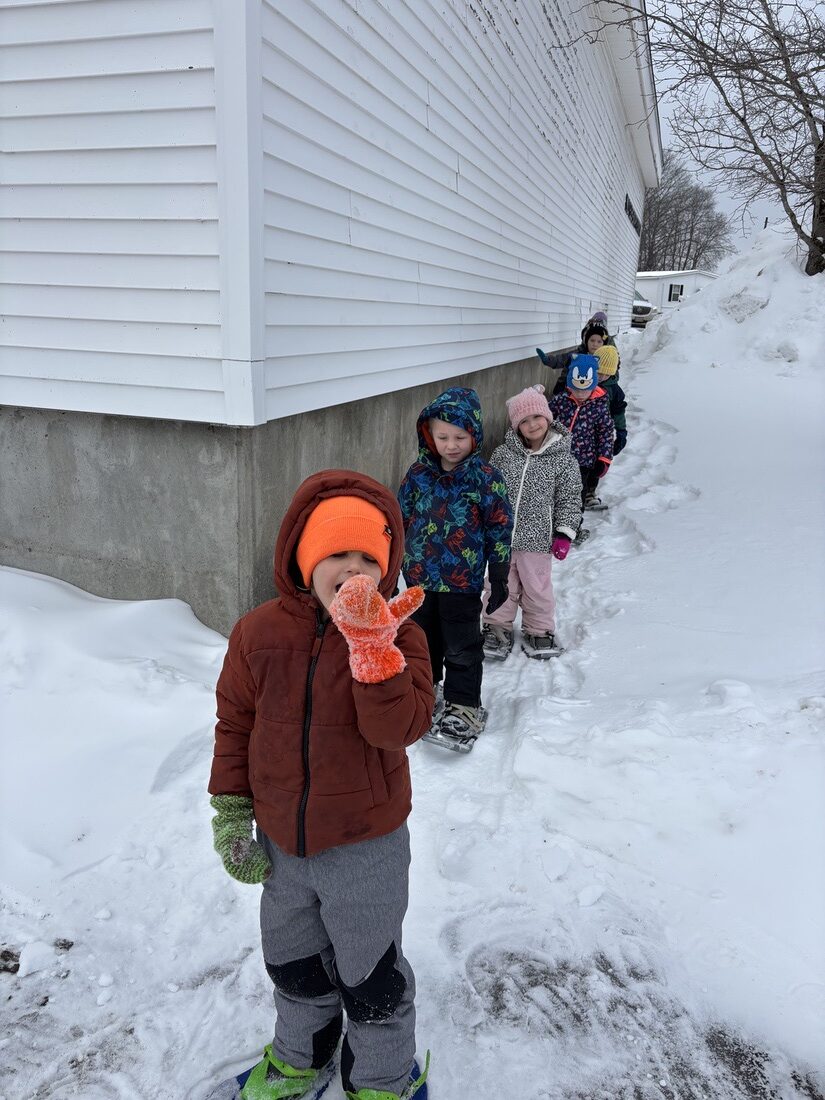
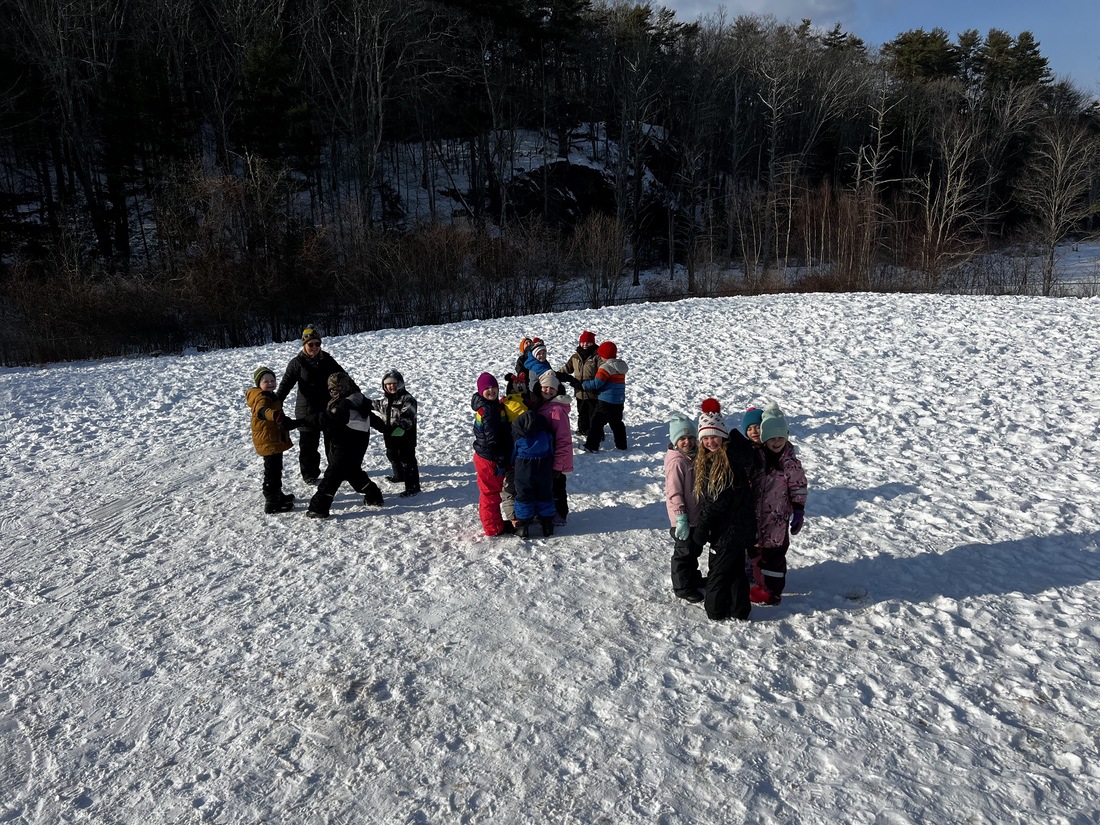
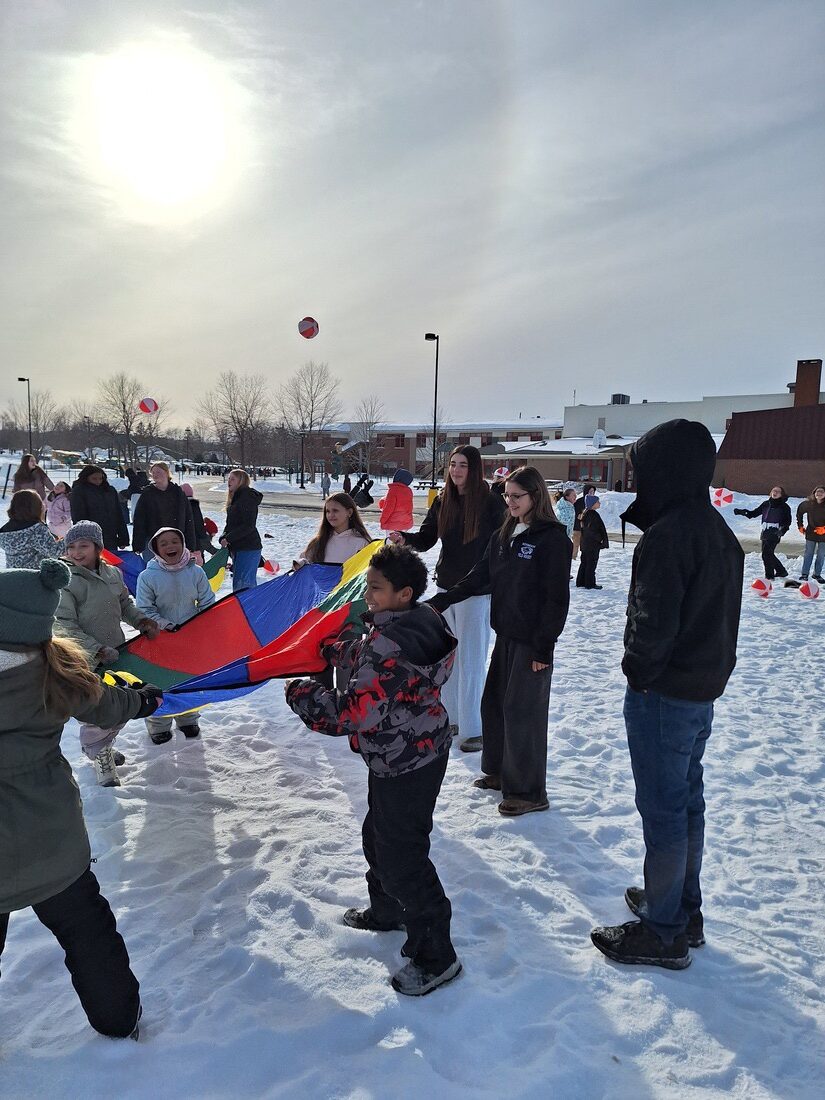
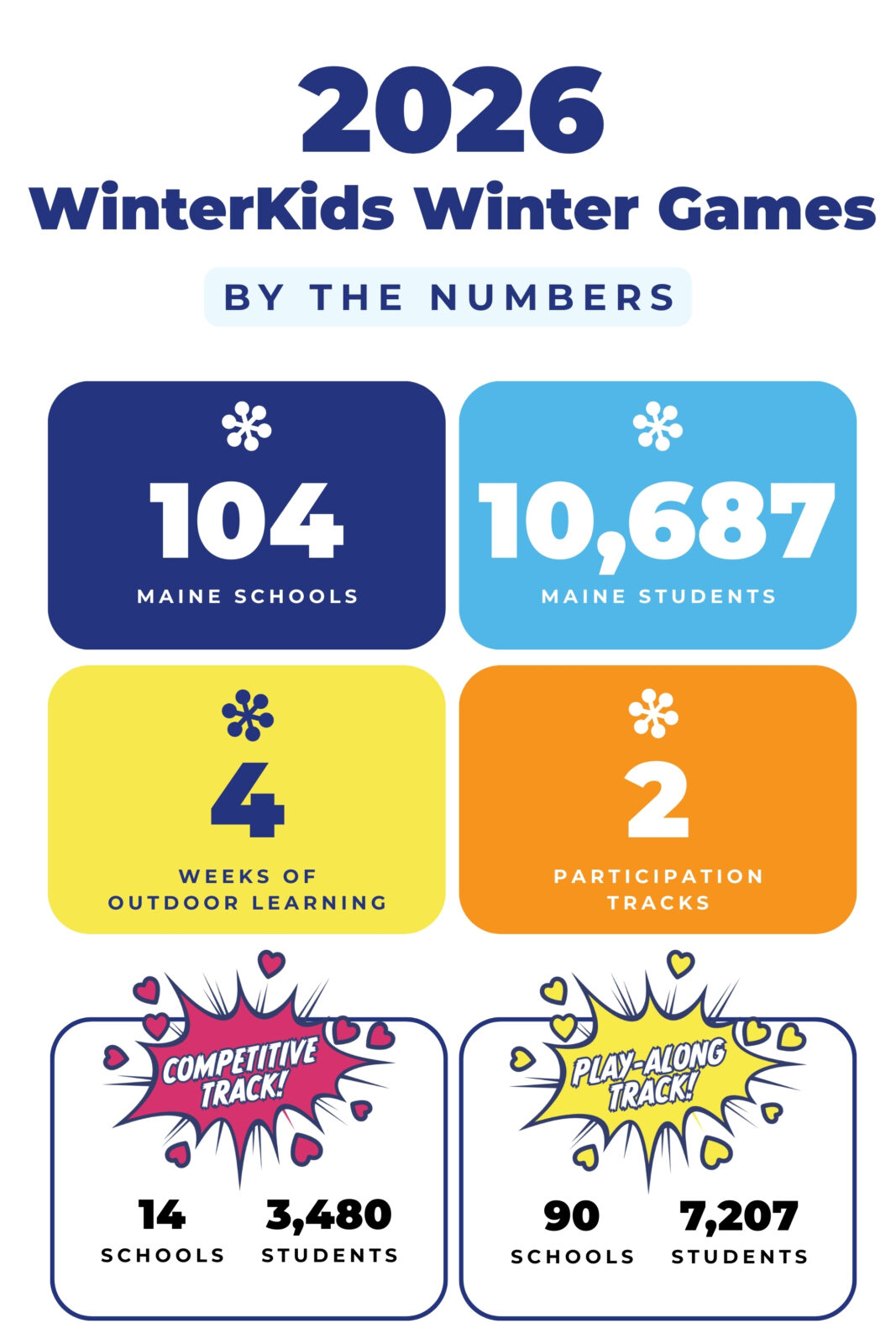
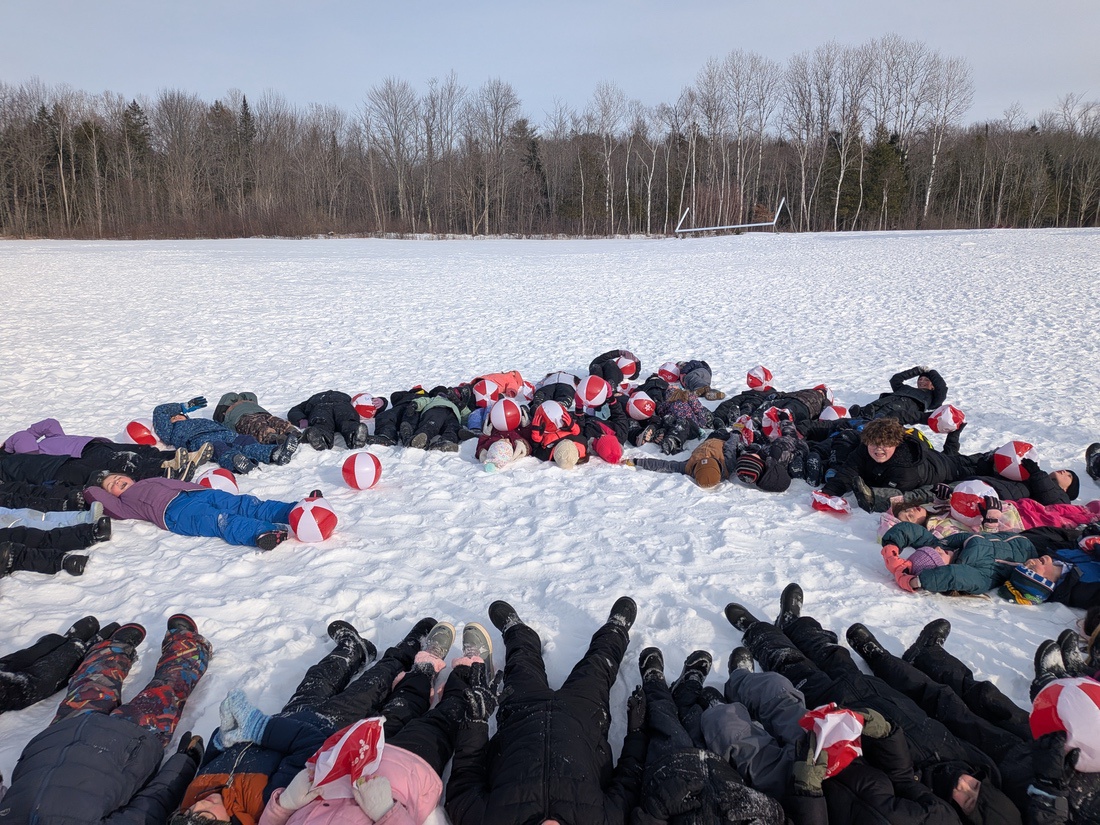
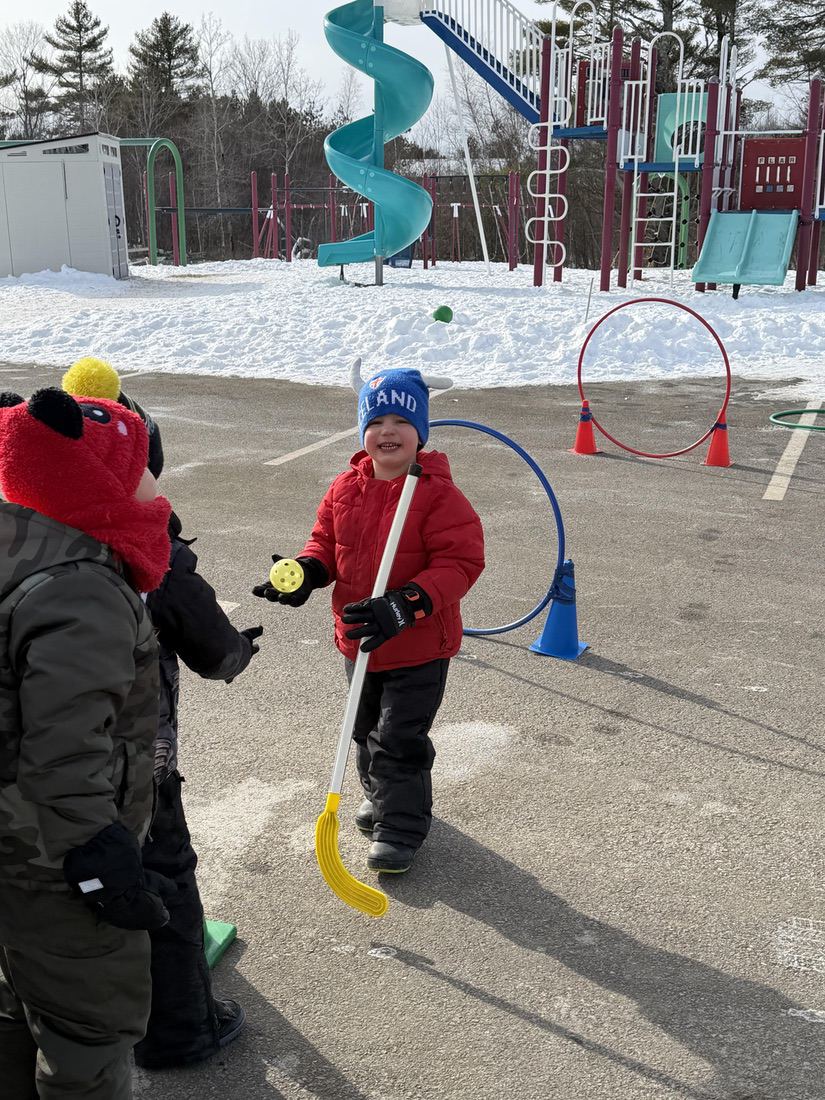
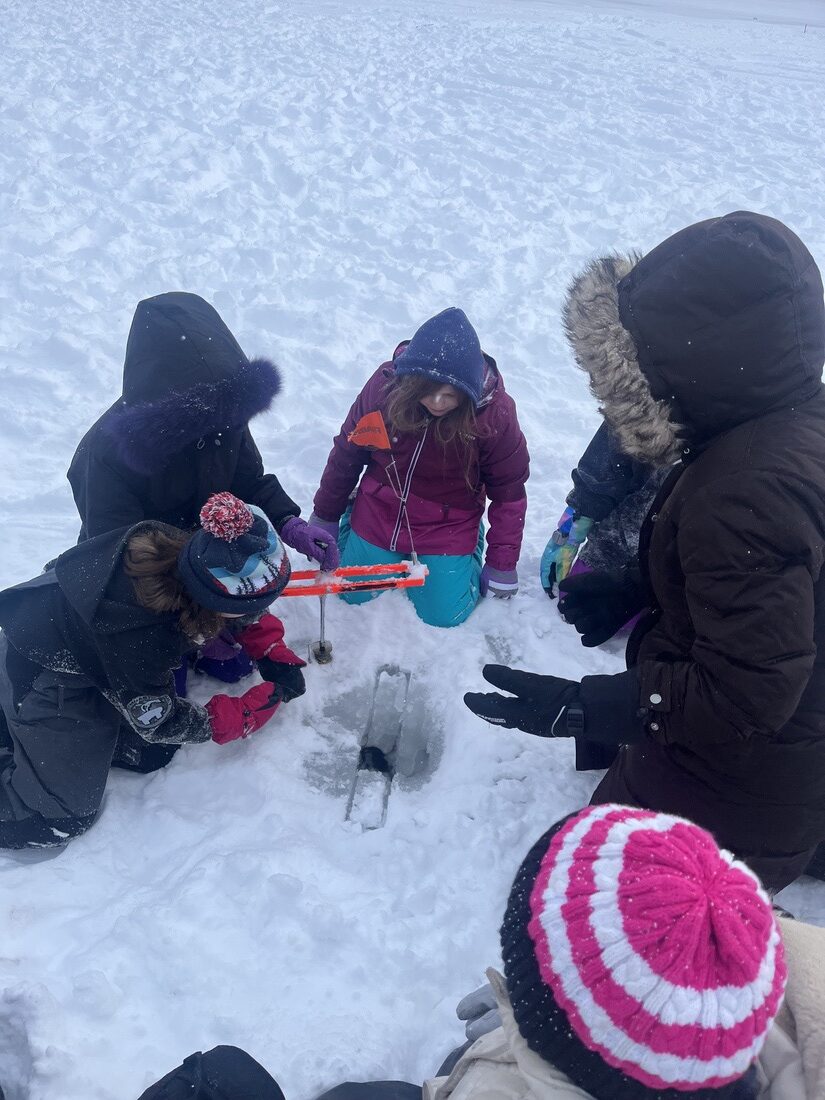
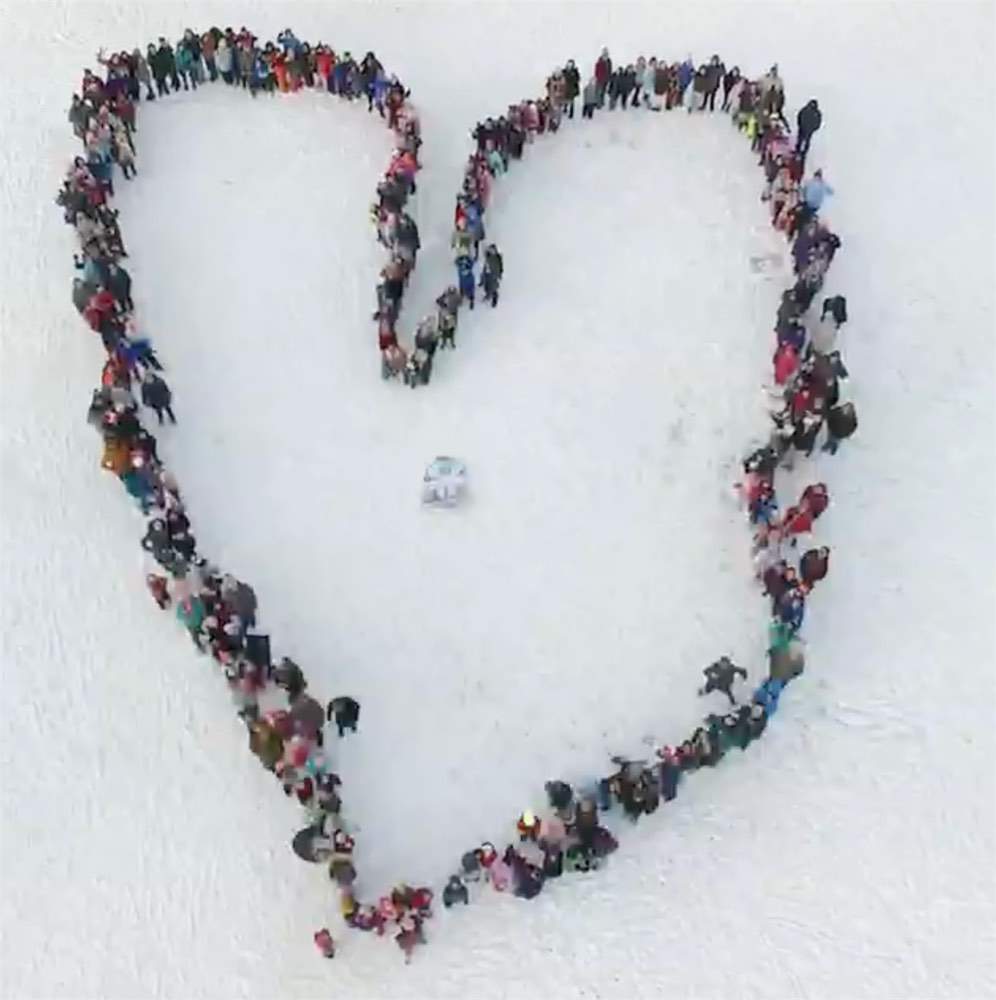
Over four weeks, from January 13 through February 6, thousands of students across all 16 counties in Maine stepped outside during the HEART of winter.
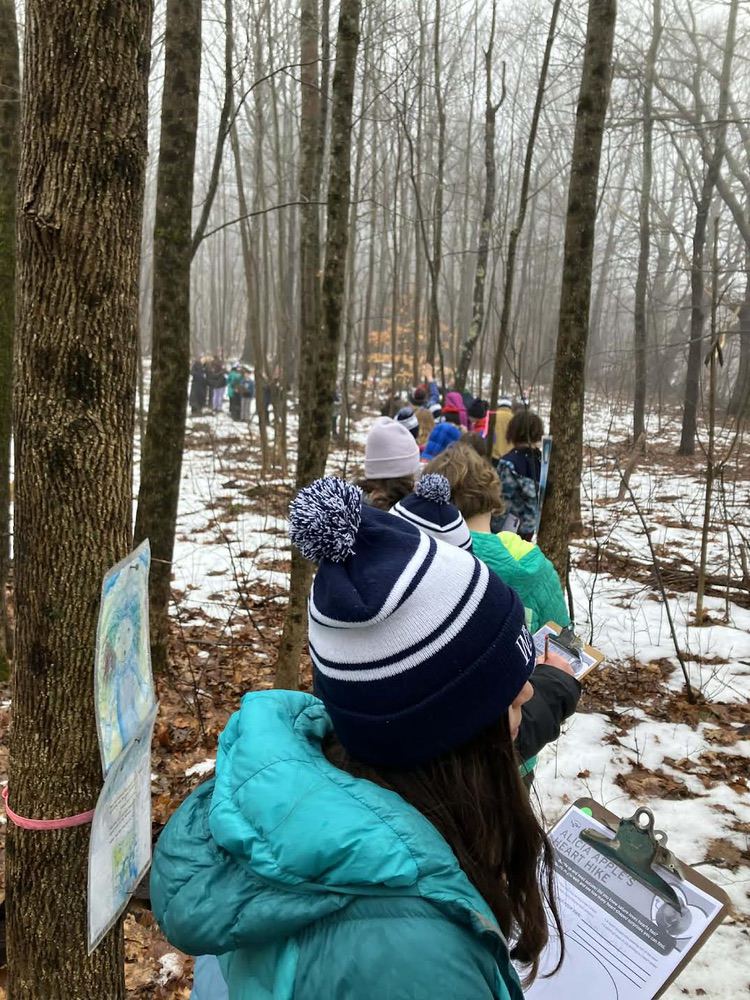
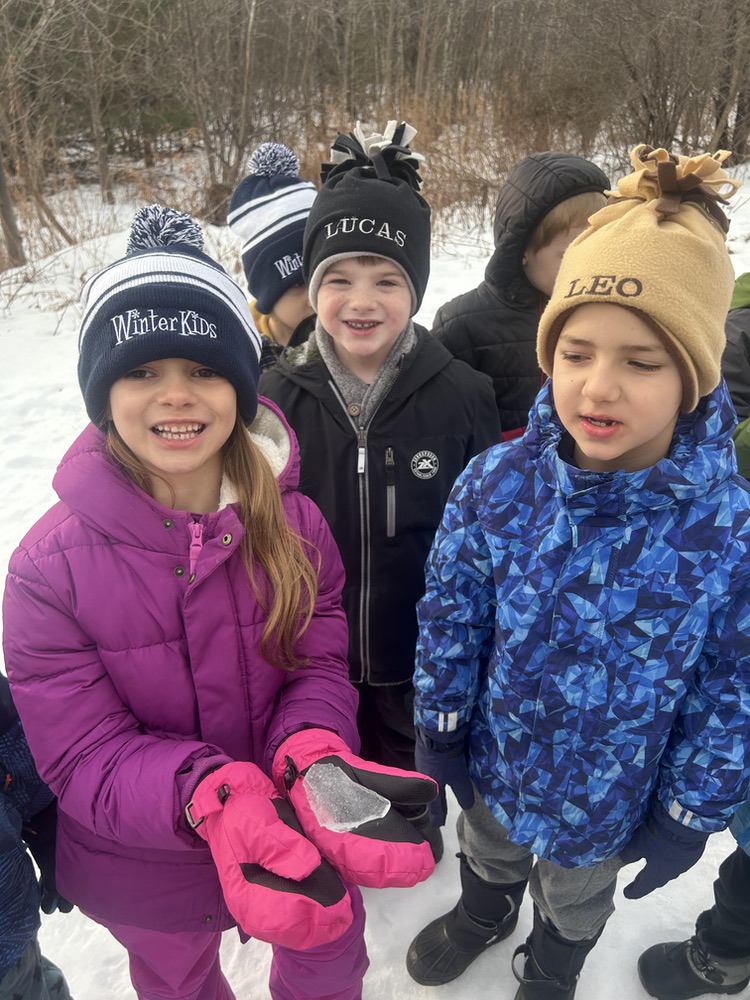
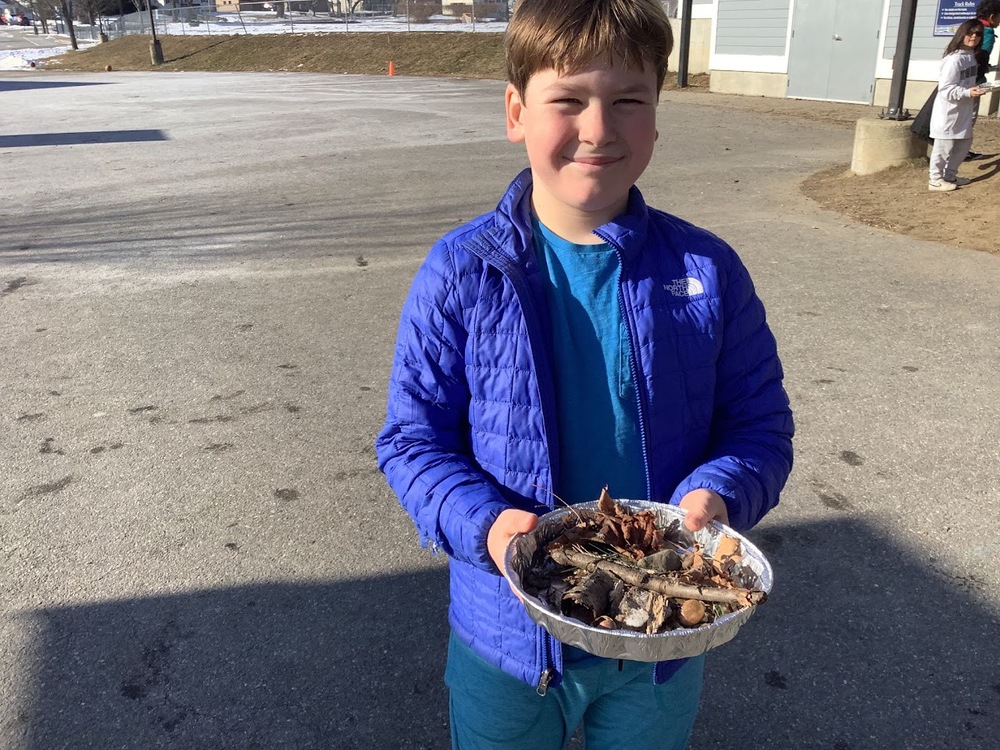
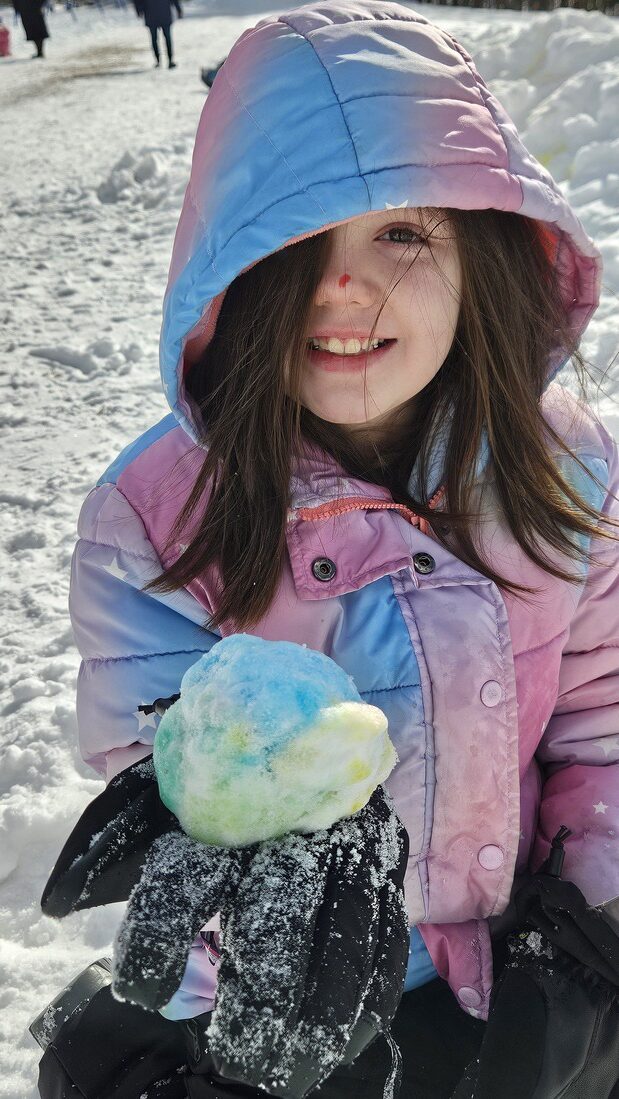
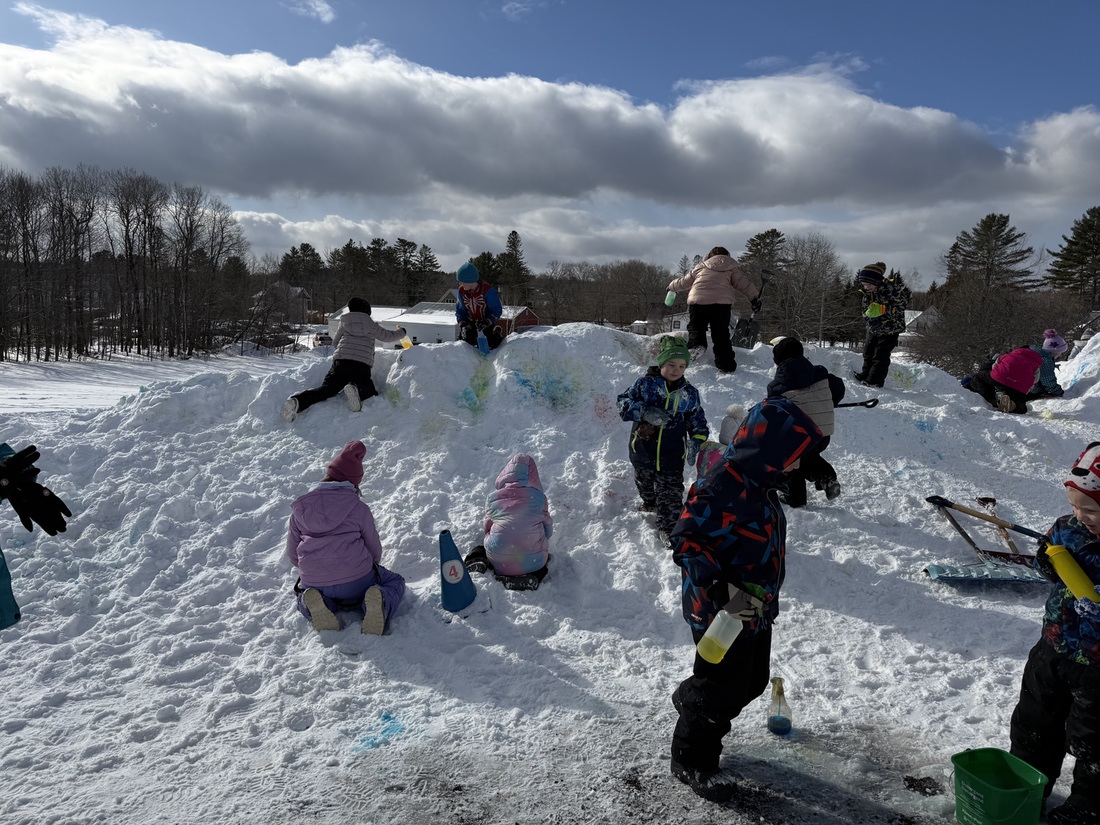
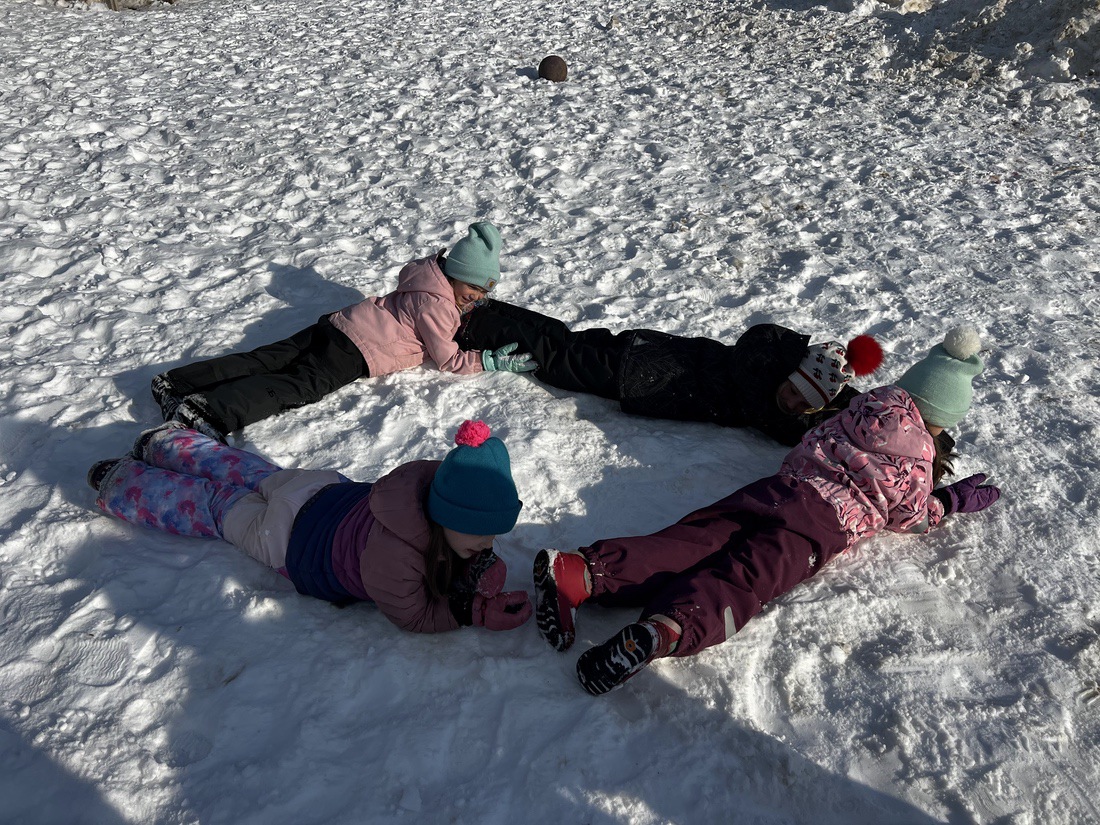
They moved, learned, and explored with joy during a season that tends to drive children indoors. Rather than hibernating from the cold, these school communities chose a different approach. They treated winter as a unique learning opportunity.
Why Winter Outdoor Learning Matters in Maine
The Winter Slump Is Real, and It Affects More Than Just Mood
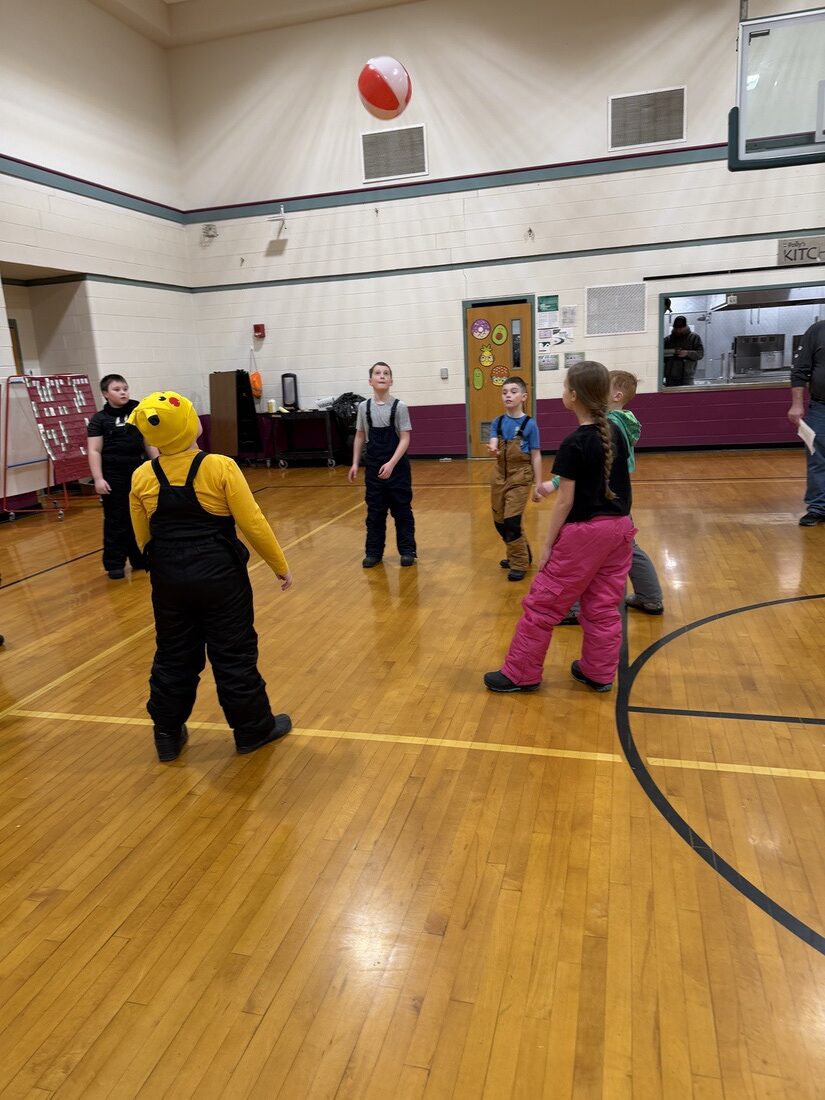
For many Maine schools, winter arrives with a predictable pattern. As temperatures drop and daylight shortens, outdoor time shrinks. Recesses often move indoors.
Educators describe this seasonal slowdown as the “winter slump,” driven by cold temperatures and limited daylight. From both public health and educational perspectives, this pattern carries real consequences. Reduced outdoor activity doesn’t just affect children’s physical wellness. It can influence focus, emotional regulation, and connection to school.
The WinterKids Winter Games offer a compelling alternative. By encouraging daily outdoor movement and learning during Maine’s coldest weeks, the program reframes winter from something to endure into something to embrace.
What follows is a noticeable cultural shift in schools. This year’s teachers described renewed excitement and creativity. Students showed up energized and ready to participate, often surprising themselves and their teachers along the way.
The WinterKids Winter Games offer a compelling alternative. By encouraging daily outdoor movement and learning during Maine’s coldest weeks, the program reframes winter from something to endure into something to embrace. What follows is a noticeable cultural shift in schools. This year’s teachers described renewed excitement and creativity. Students showed up energized and ready to participate, often surprising themselves and their teachers along the way.
4 Ways Outdoor Learning Boosts Student Health and Focus
1. Redefining Success: When Students Find Their Strengths
Traditional indoor physical education often rewards a narrow set of skills. Fast runners, strong throwers, and confident team sport players rise to the top, while others disengage or opt out entirely.
Outdoor winter movement changes that dynamic completely.
At SeDoMoCha Schools, one educator witnessed a transformation that captured this shift perfectly: “One moment that really stood out to me was a student who typically struggles with PE and often opts out or sits during running activities. This week, he was leading the charge outside: moving, smiling, and fully participating. Seeing that shift was incredibly powerful.”
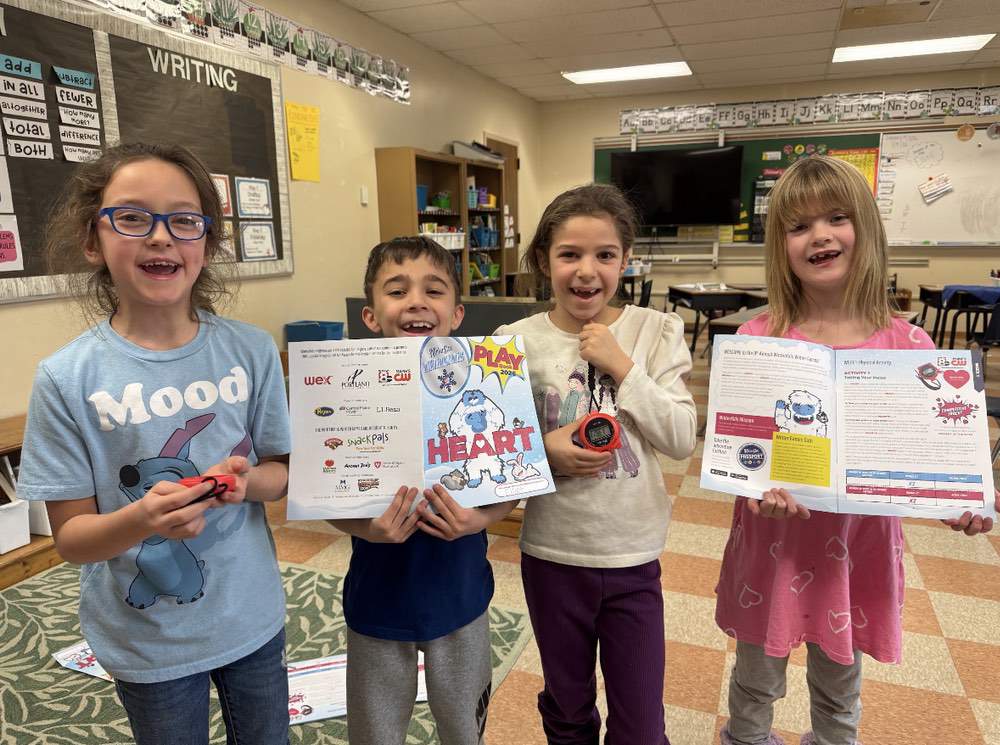
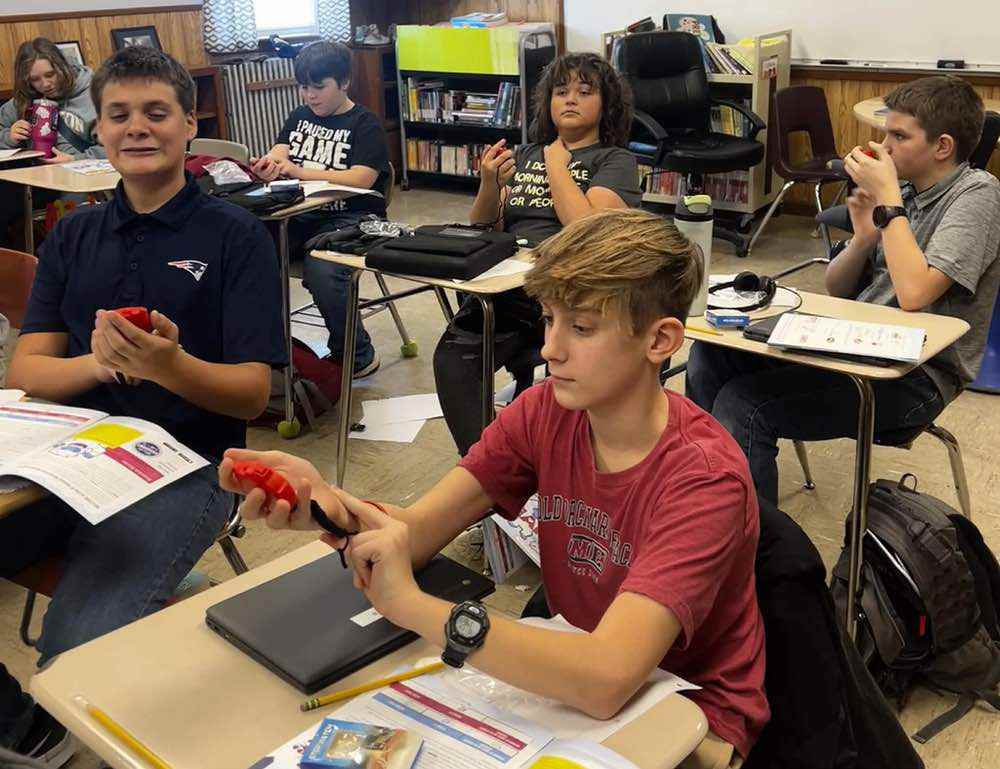
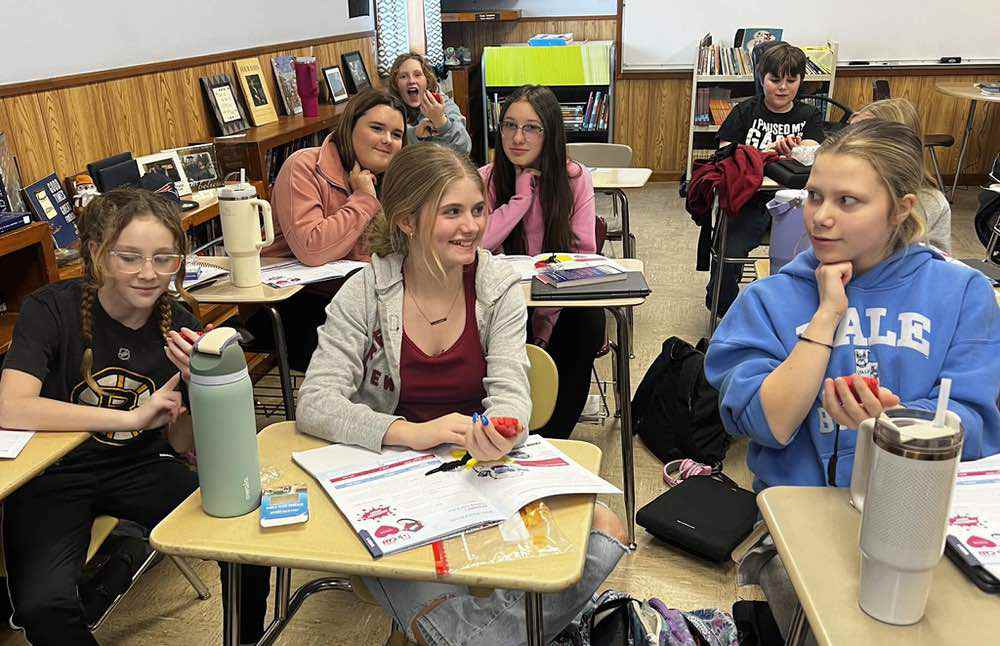
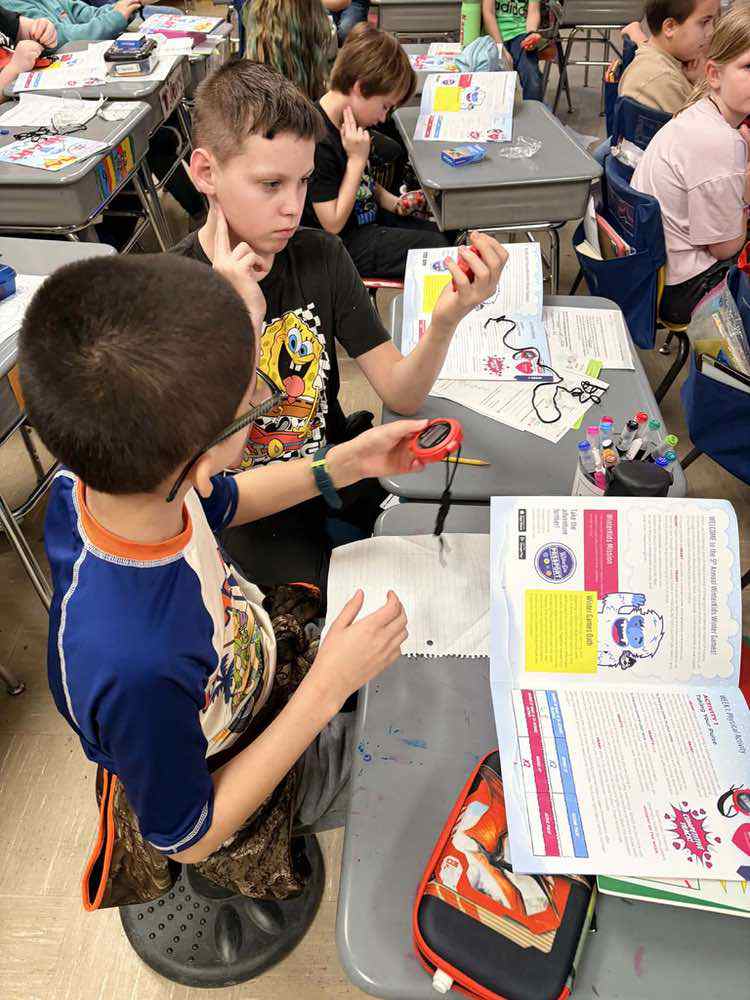
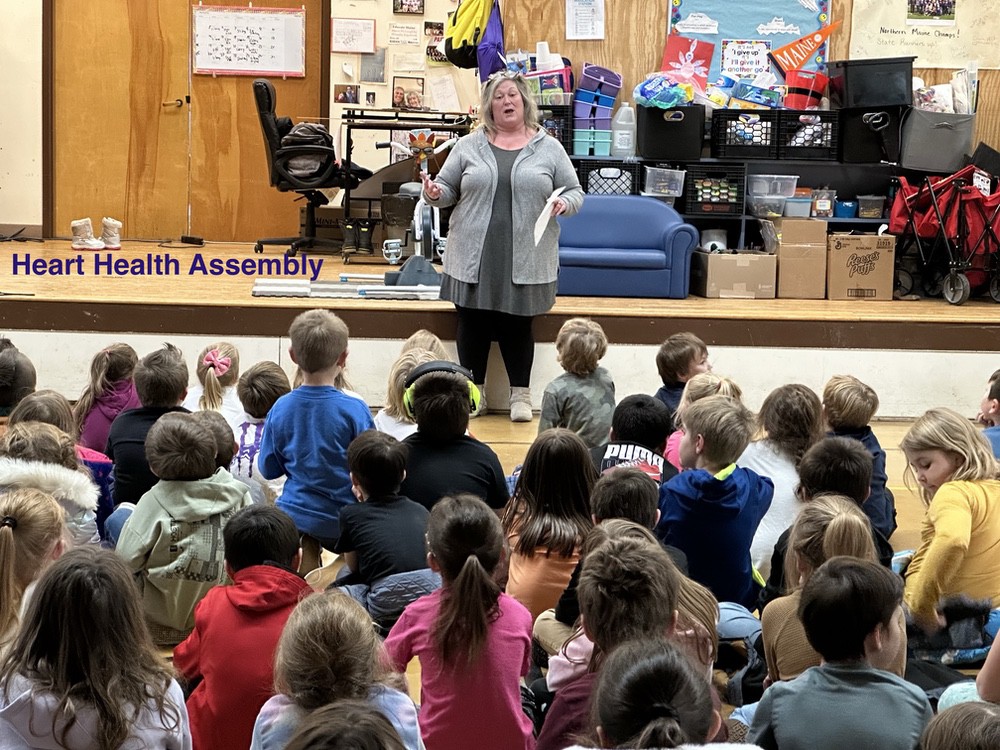
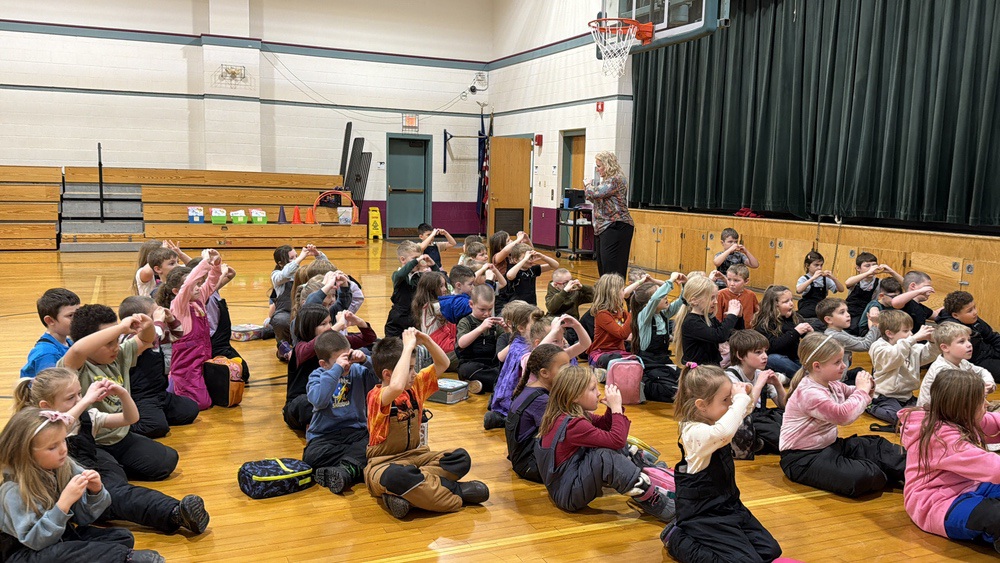
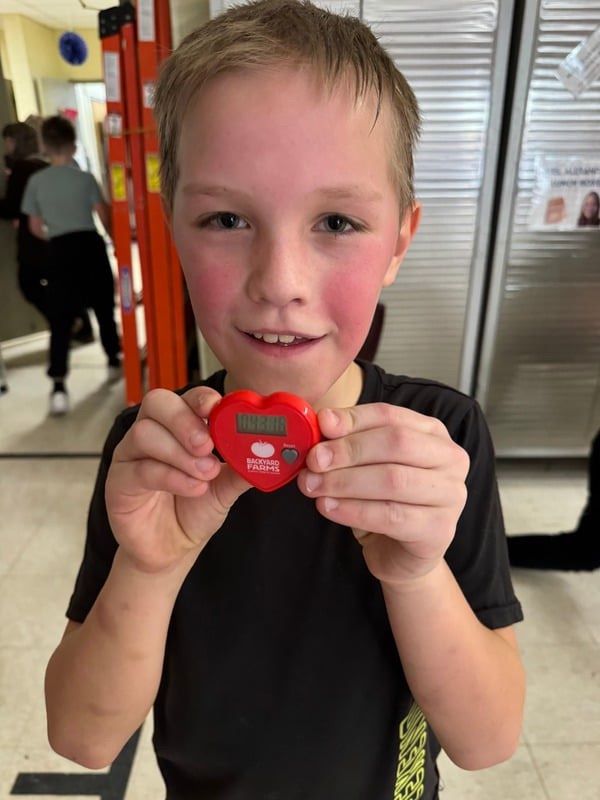
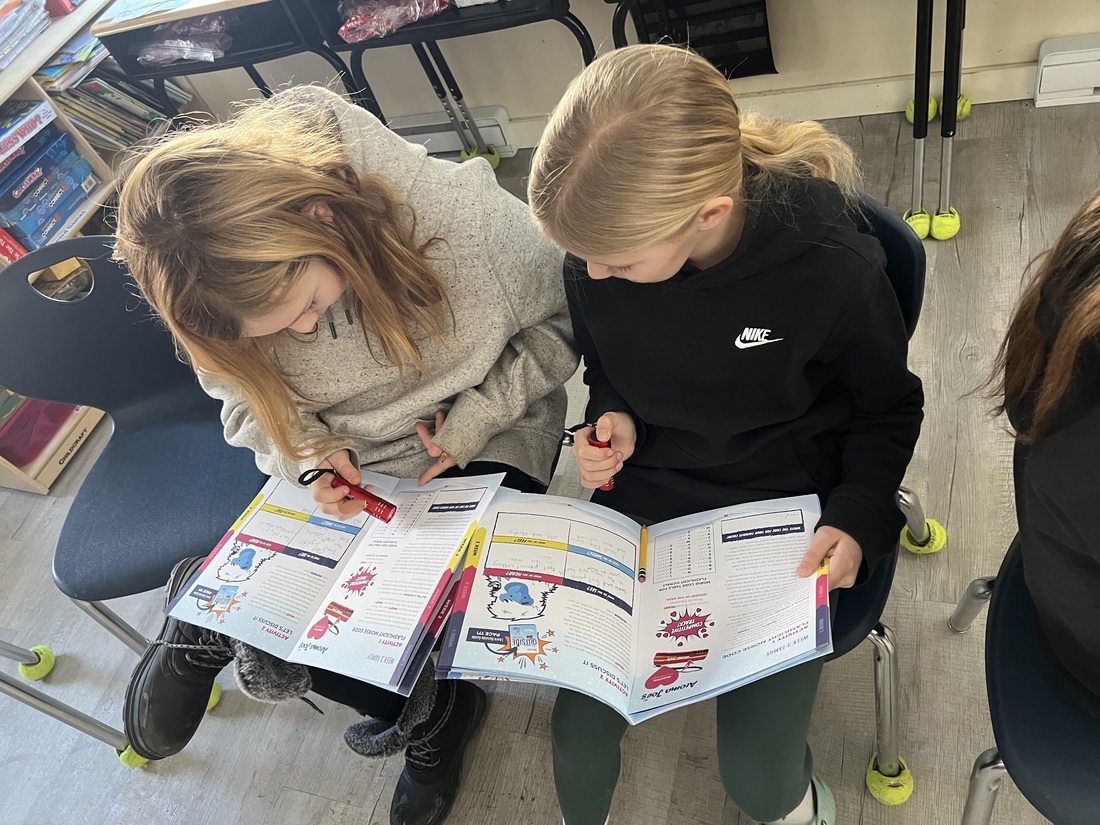
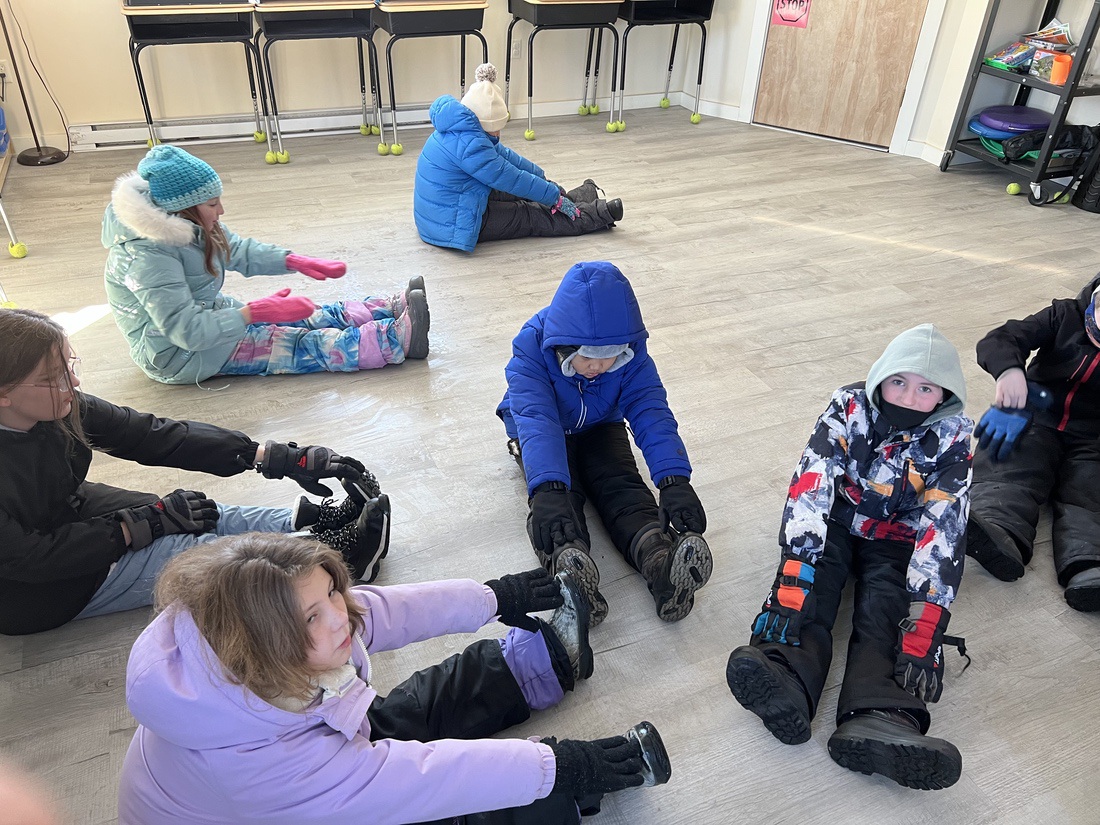
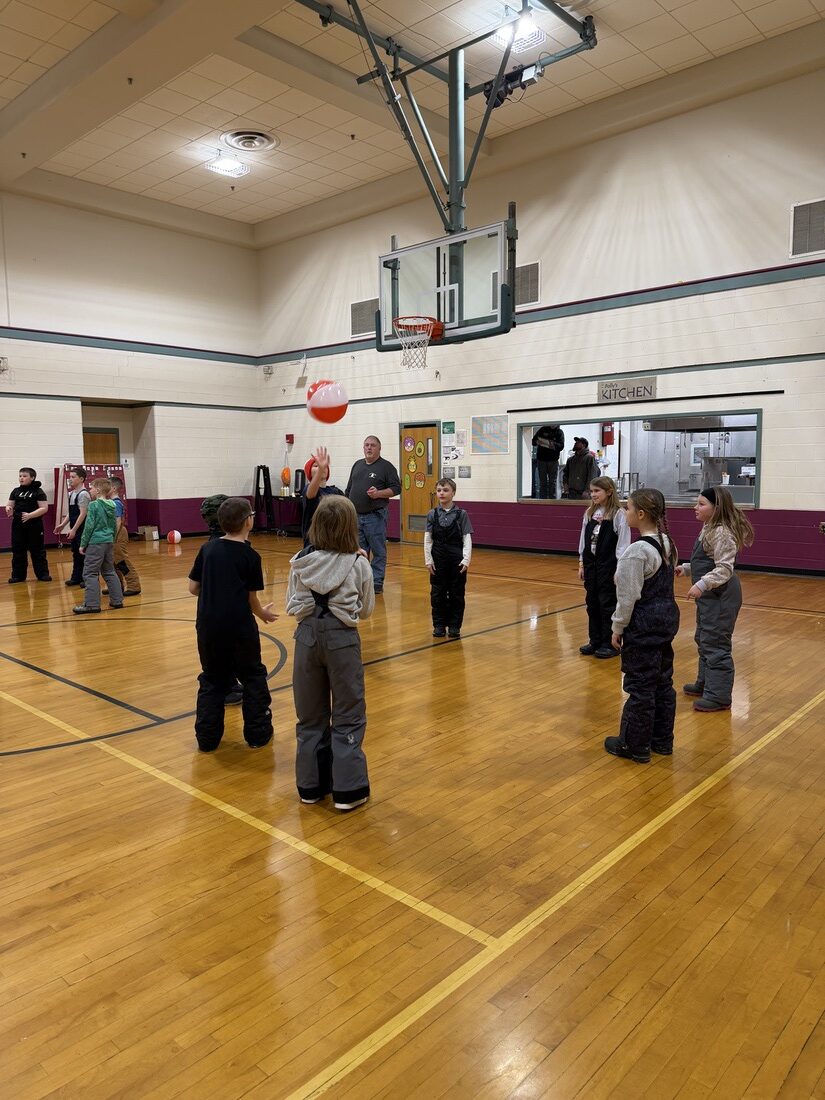
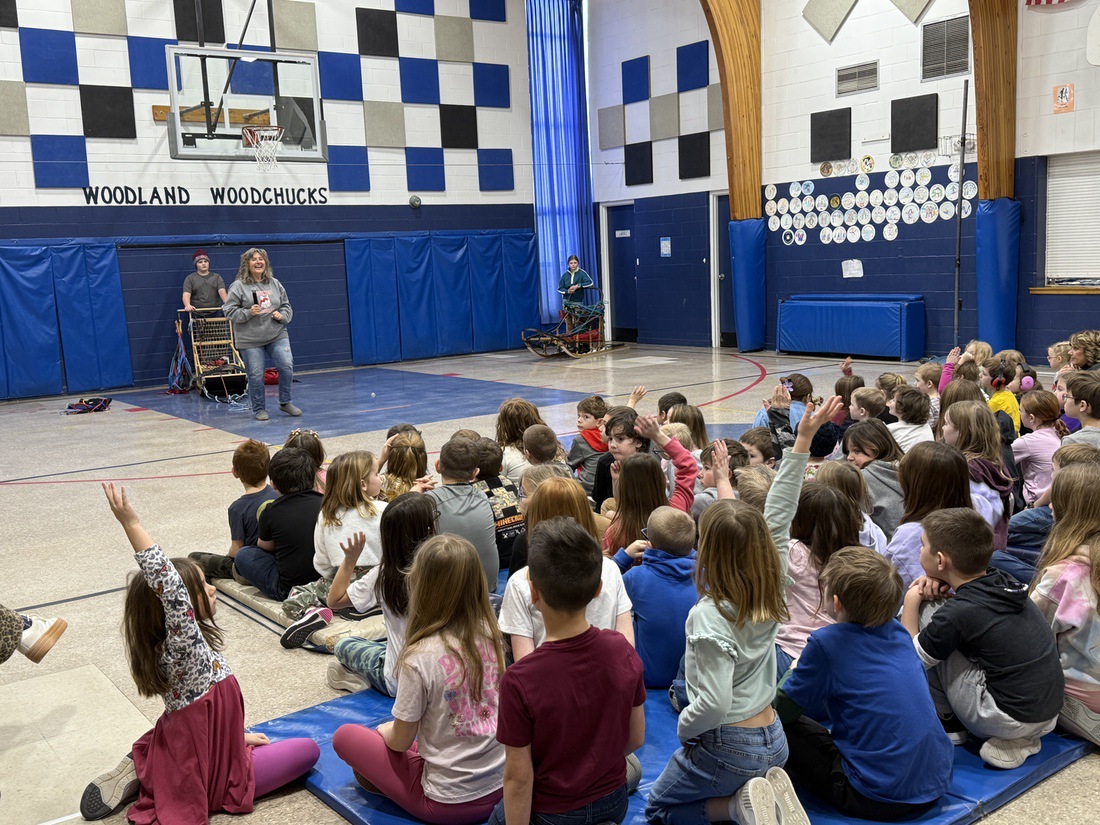
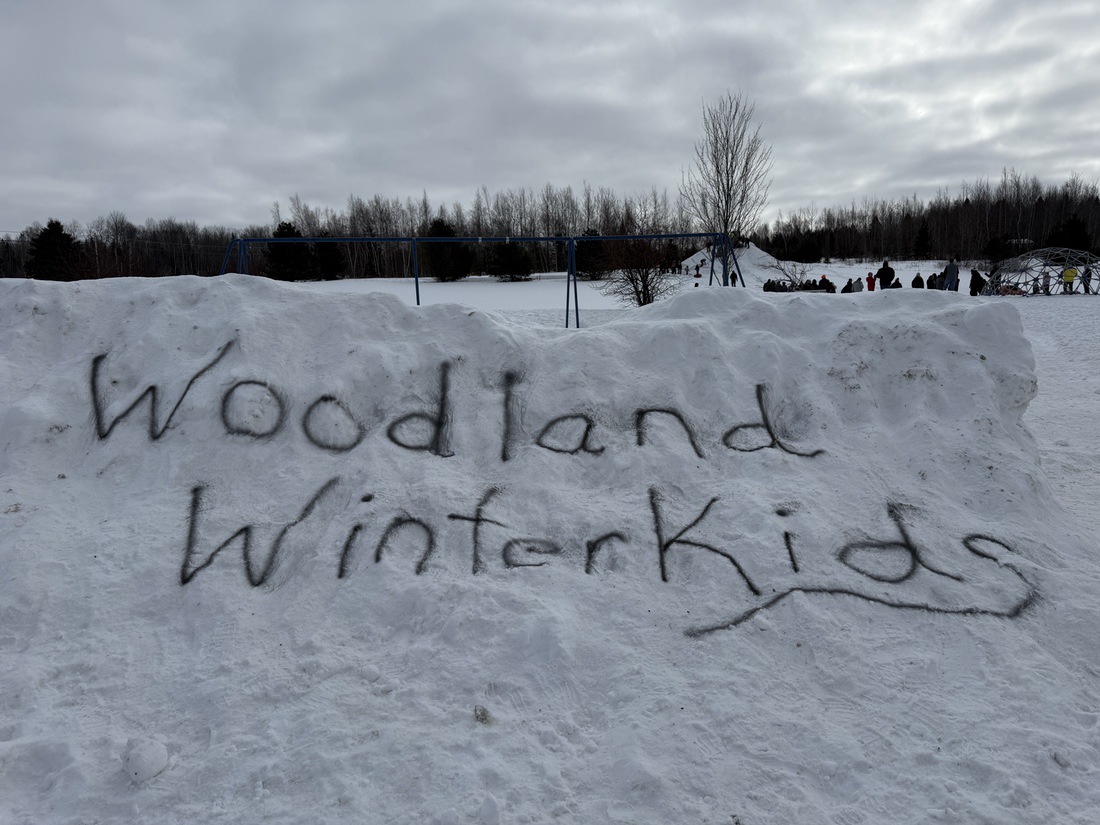
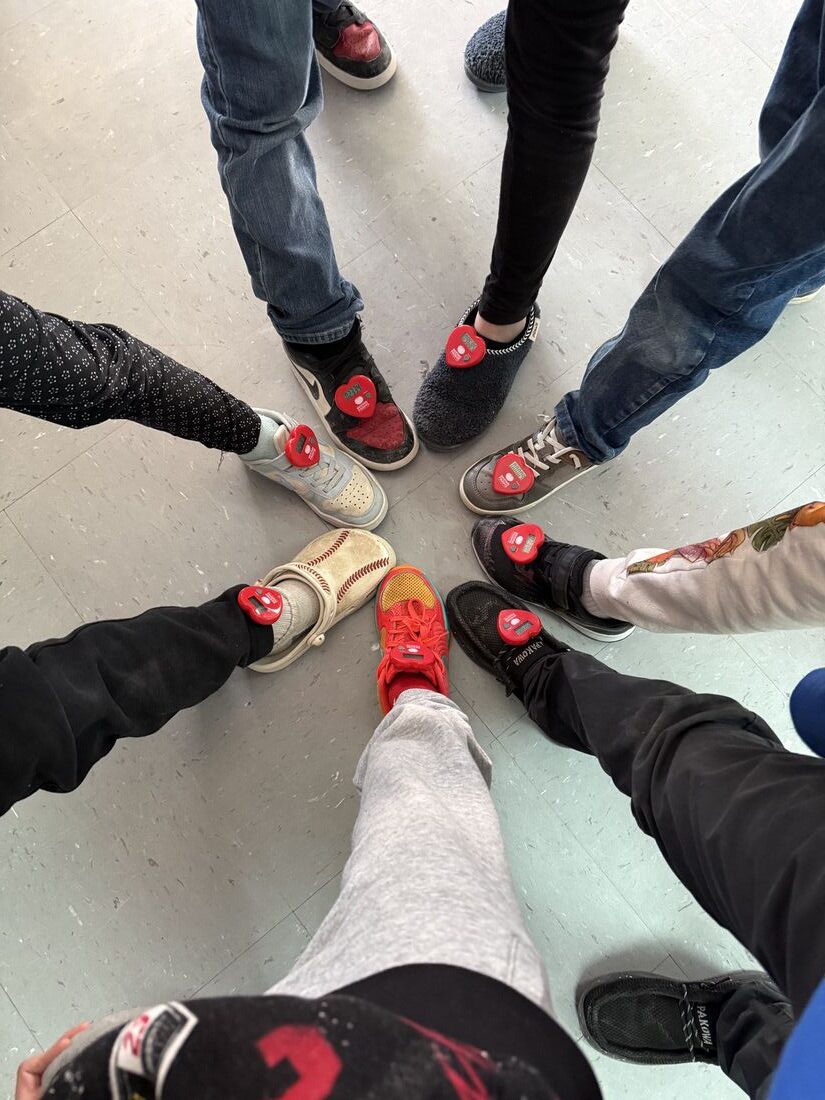
At Woodland Consolidated School, students tracked their heart rates during stretching, movement breaks, and calm listening activities. One teacher reflected on the experience: “It was wonderful to see students making real-life connections about how exercise, rest, and mindfulness affect their bodies. They tracked their heart rates while stretching, during movement breaks, and even during a calm listening activity…making real-life connections.”
These simple practices helped children understand how their bodies feel and respond to movement. Health literacy became practical, positive, and personal rather than abstract or forced. This approach supports equitable participation and builds foundational wellness skills that feel natural and motivating.
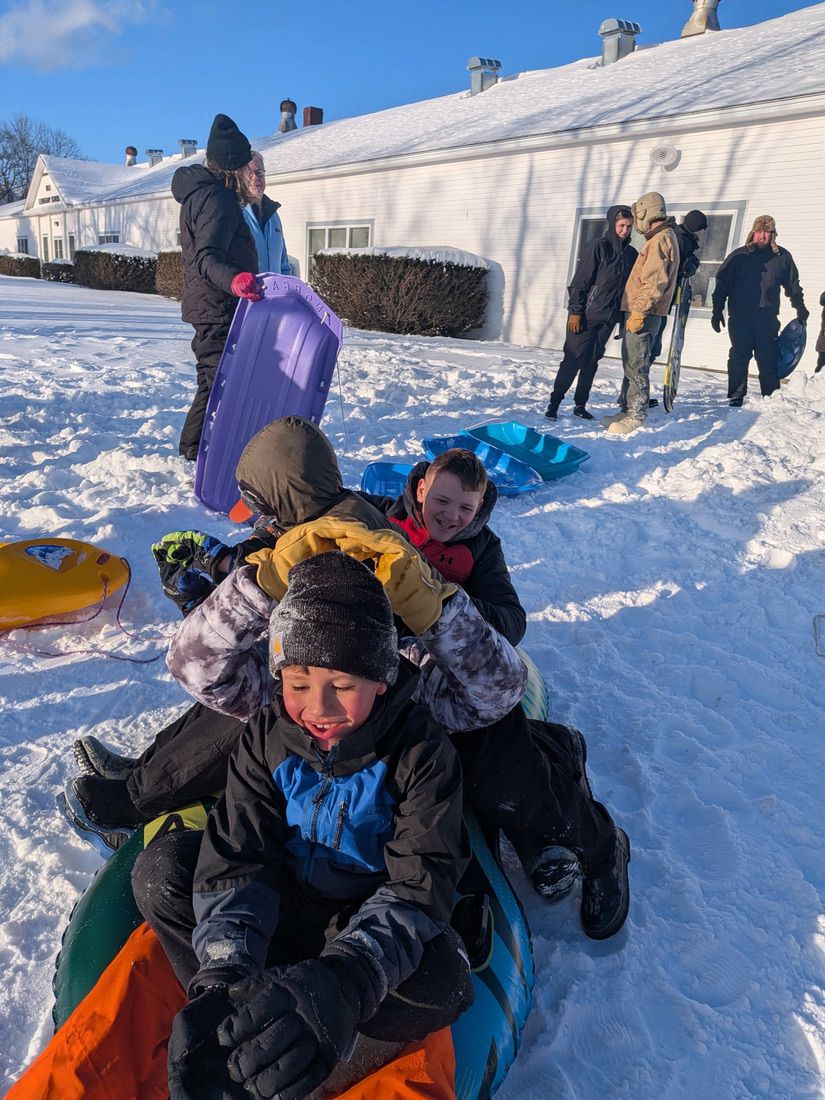
2. The Outdoor Classroom: Supporting Calm, Focus, and Social-Emotional Growth
Through the WinterKids Winter Games, Maine schools are demonstrating that winter outdoor classrooms can support both academic goals and social-emotional learning throughout the coldest months.
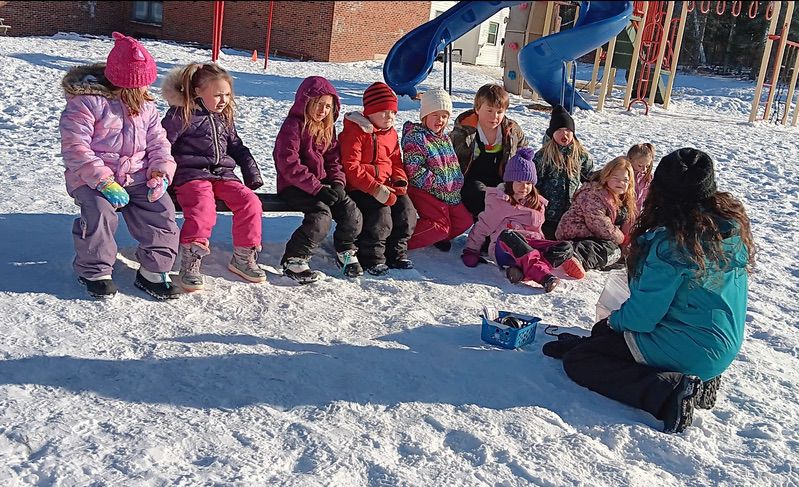
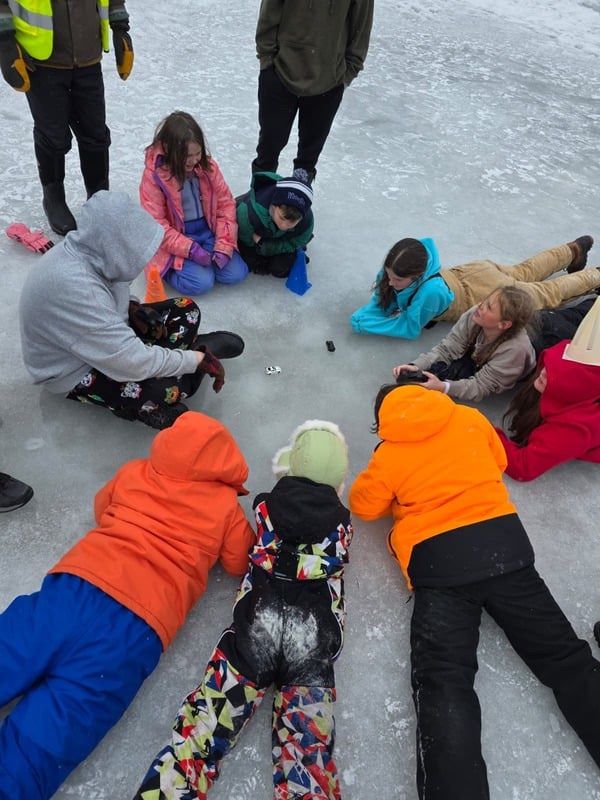
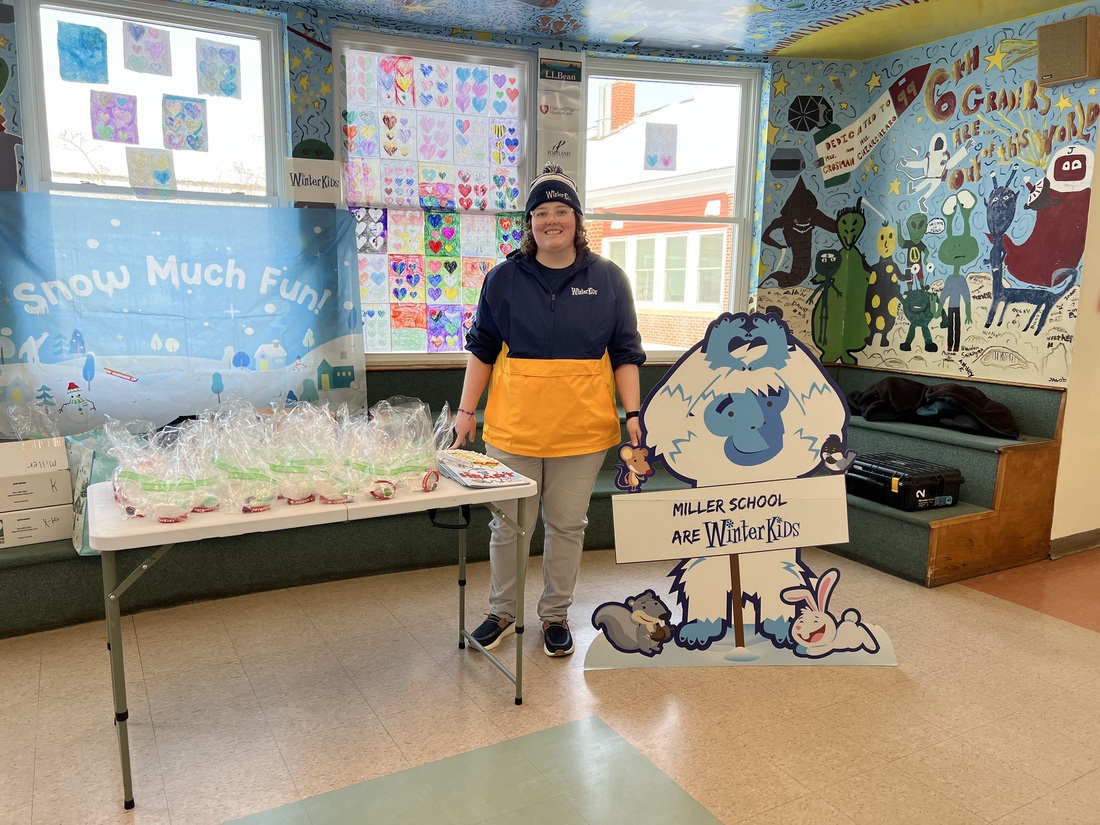
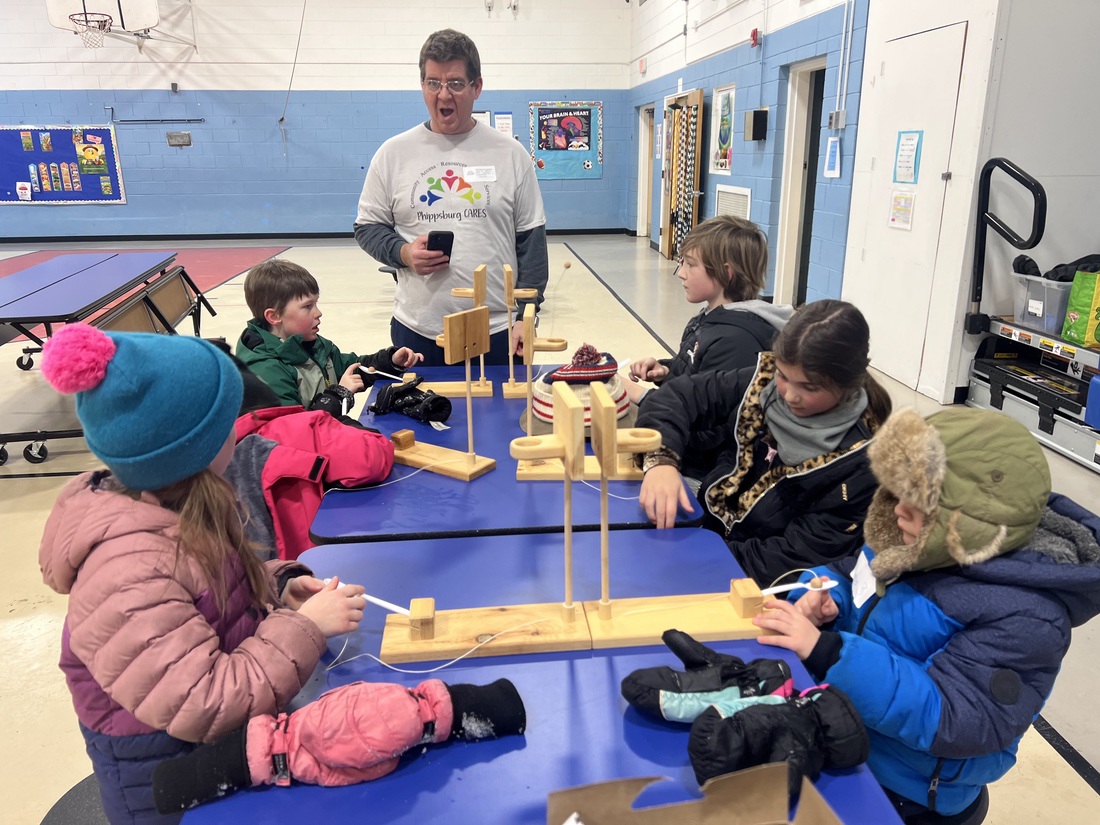
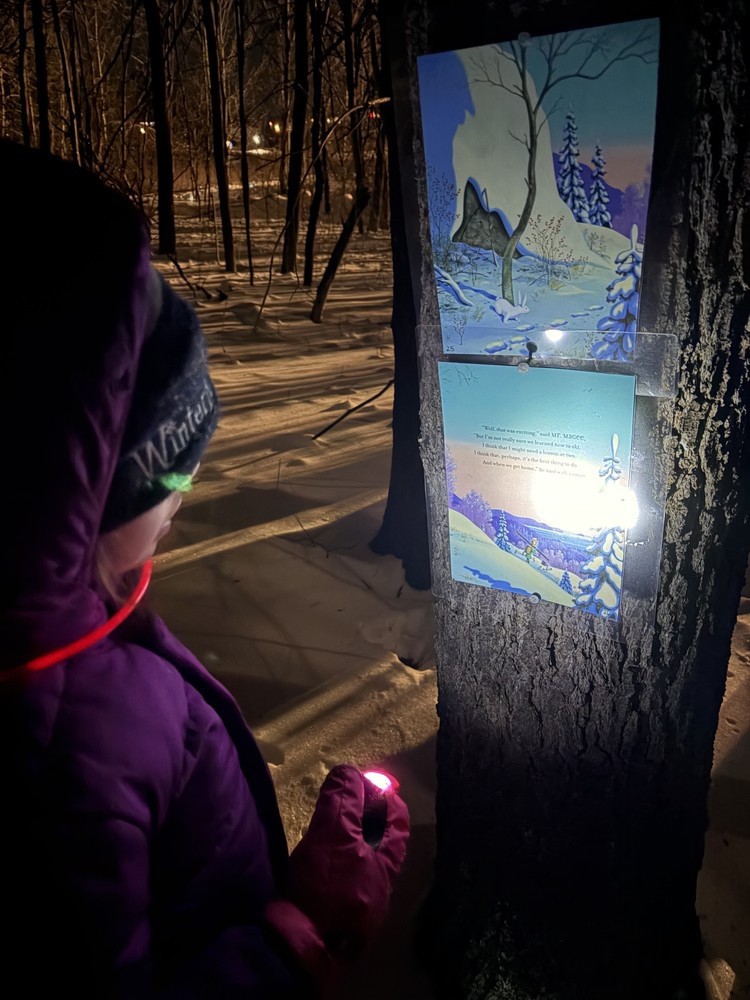
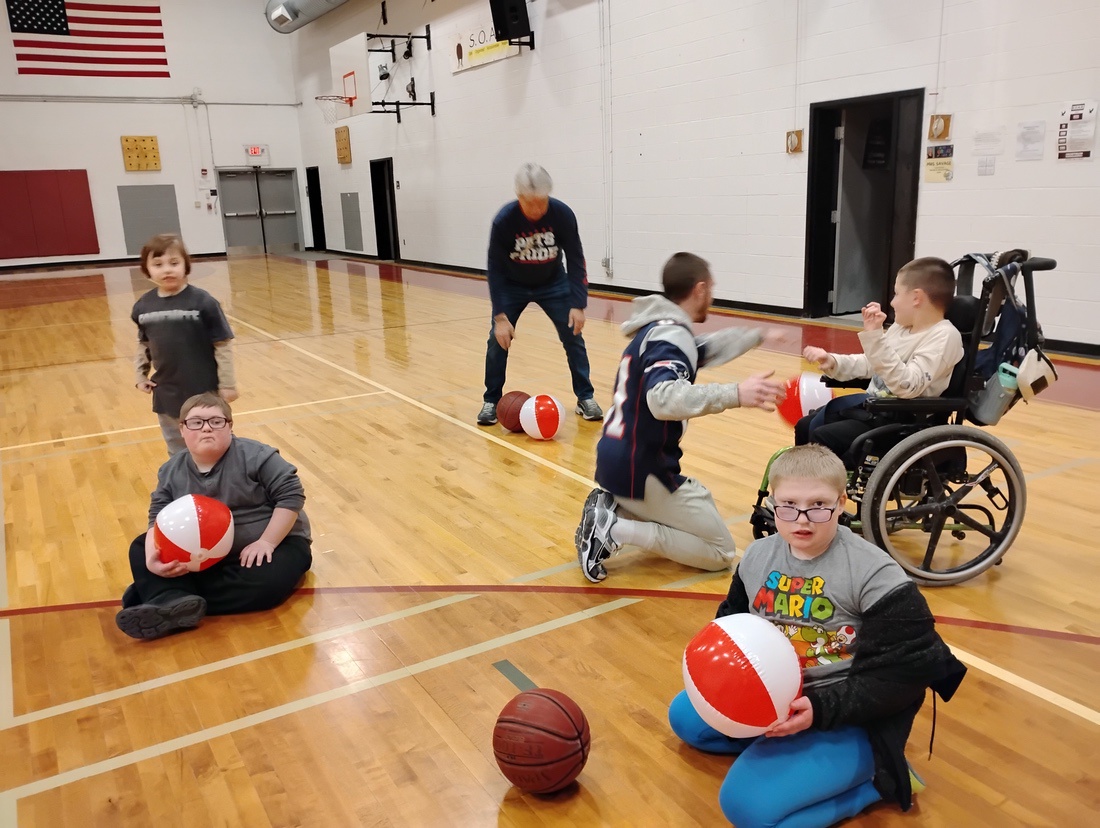
At schools like Miller School and Phippsburg Elementary, outdoor learning environments intentionally support students who struggle in high-pressure indoor settings. The natural environment provides sensory input, quiet space, and opportunities for reflection that help children regulate emotions and focus attention. For some students, particularly those receiving special education services, this calm setting makes learning more accessible.
These moments demonstrate how outdoor winter learning supports not just physical health, but also belonging, trust, and community connection.
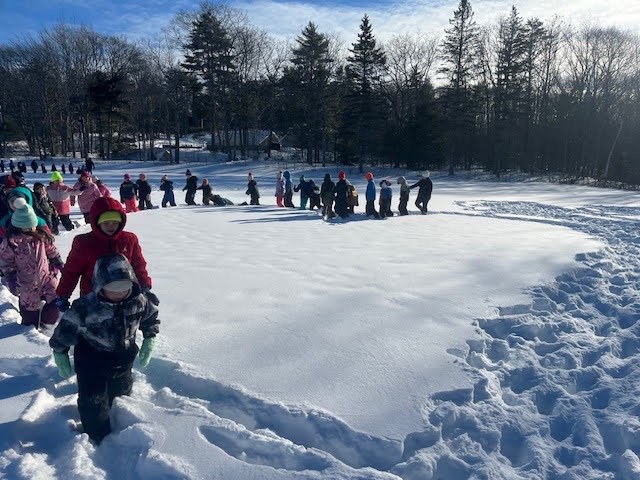
3. The Gifts of Winter: Connections to Nature, Community, and Self
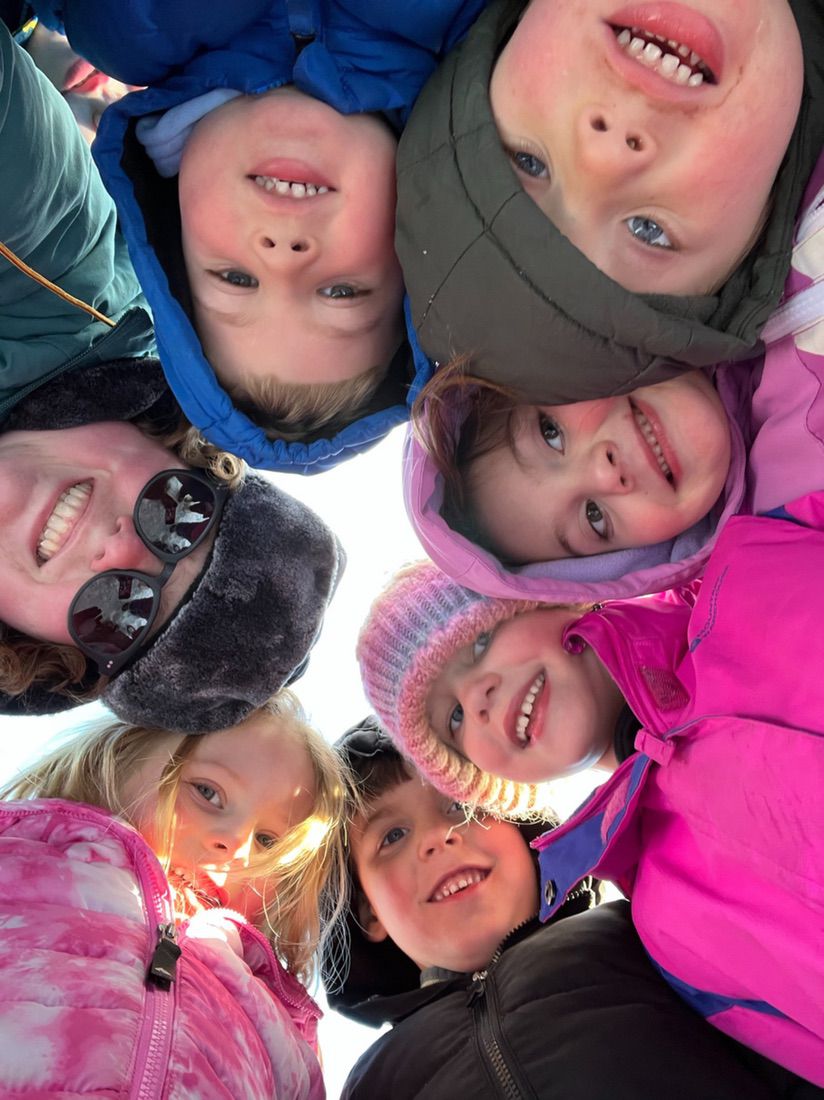
Getting outside in winter does more than burn energy. It builds something lasting. Children who experience the natural world with joy and curiosity grow up carrying those connections with them.
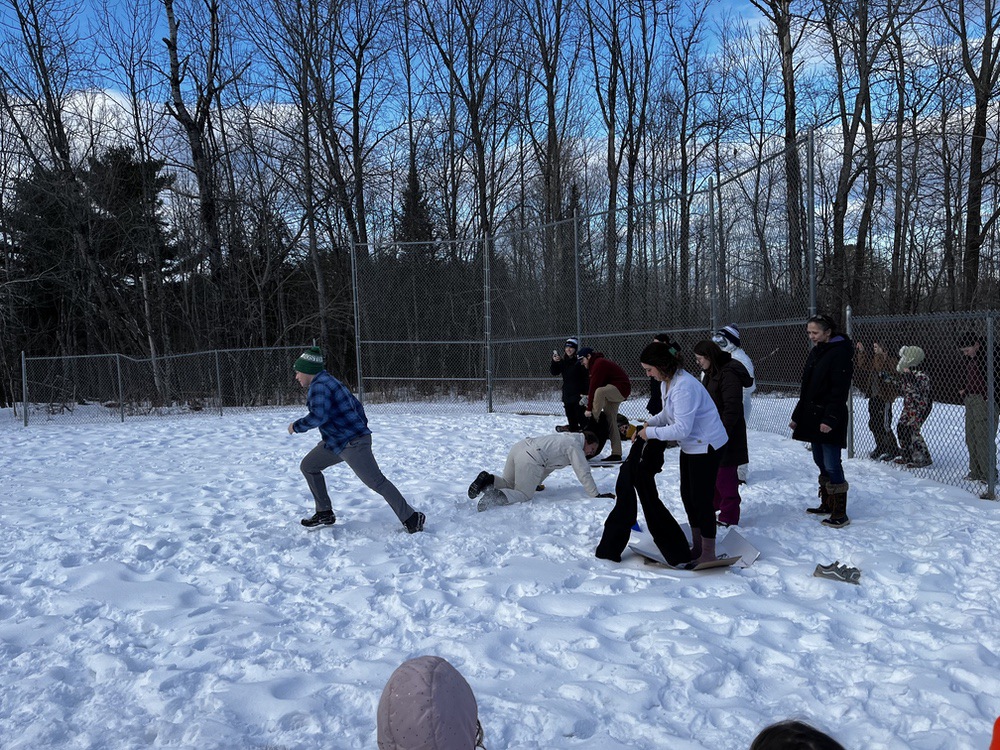
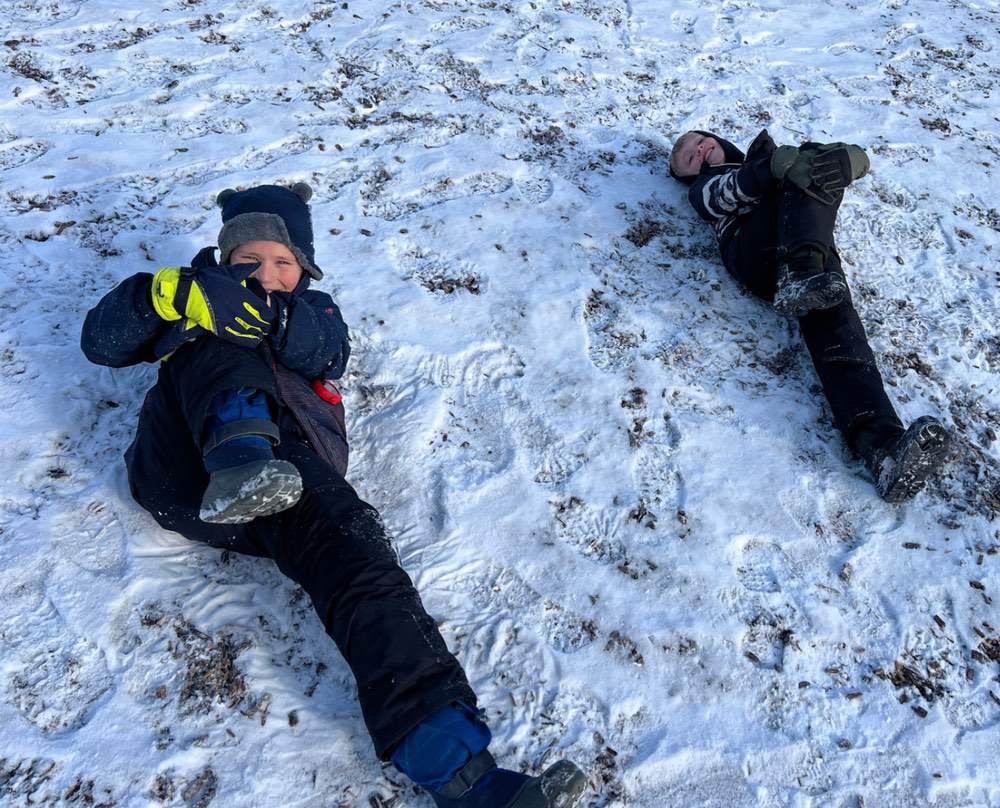
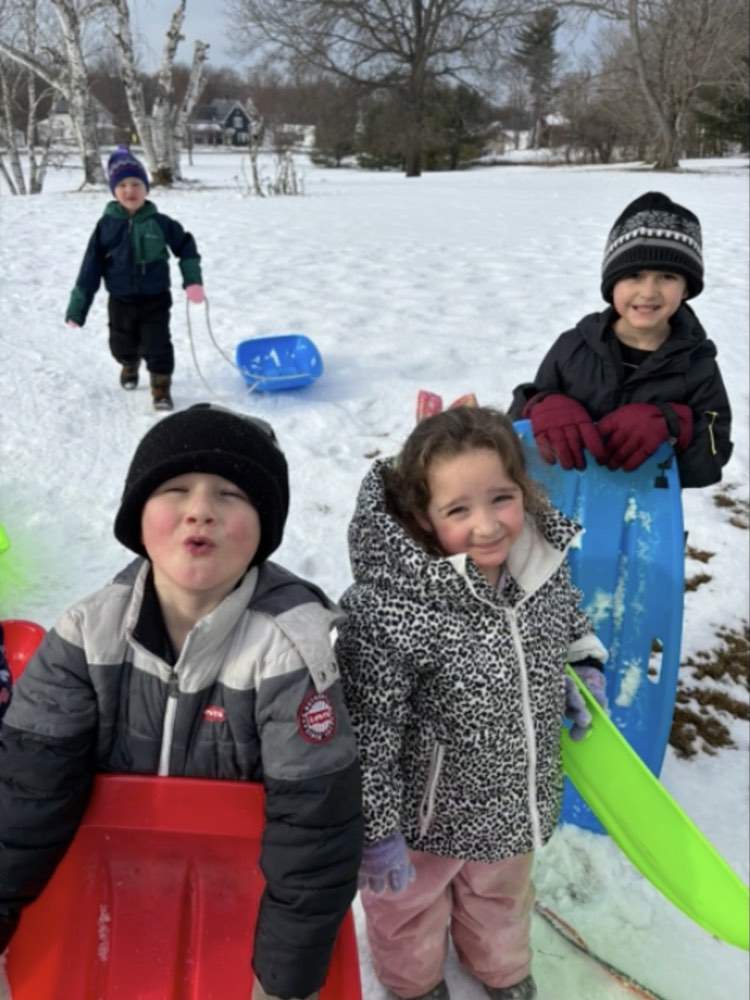
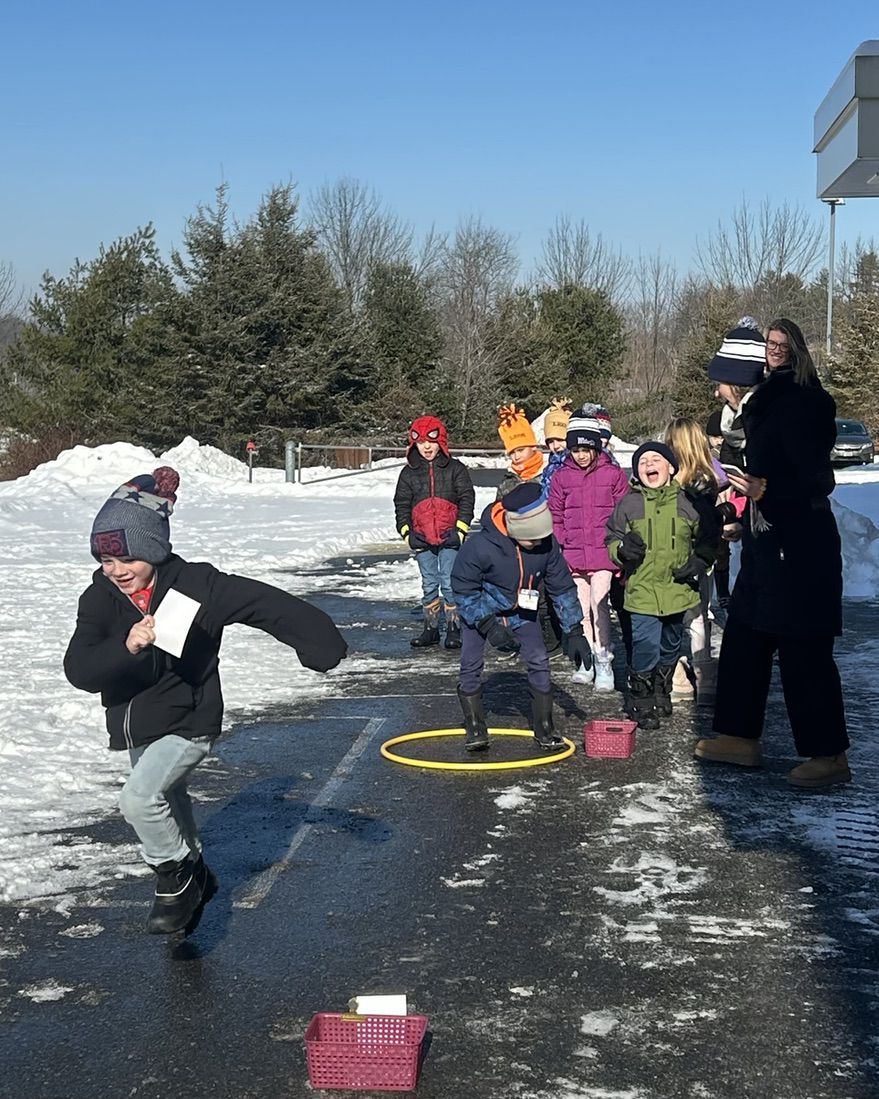
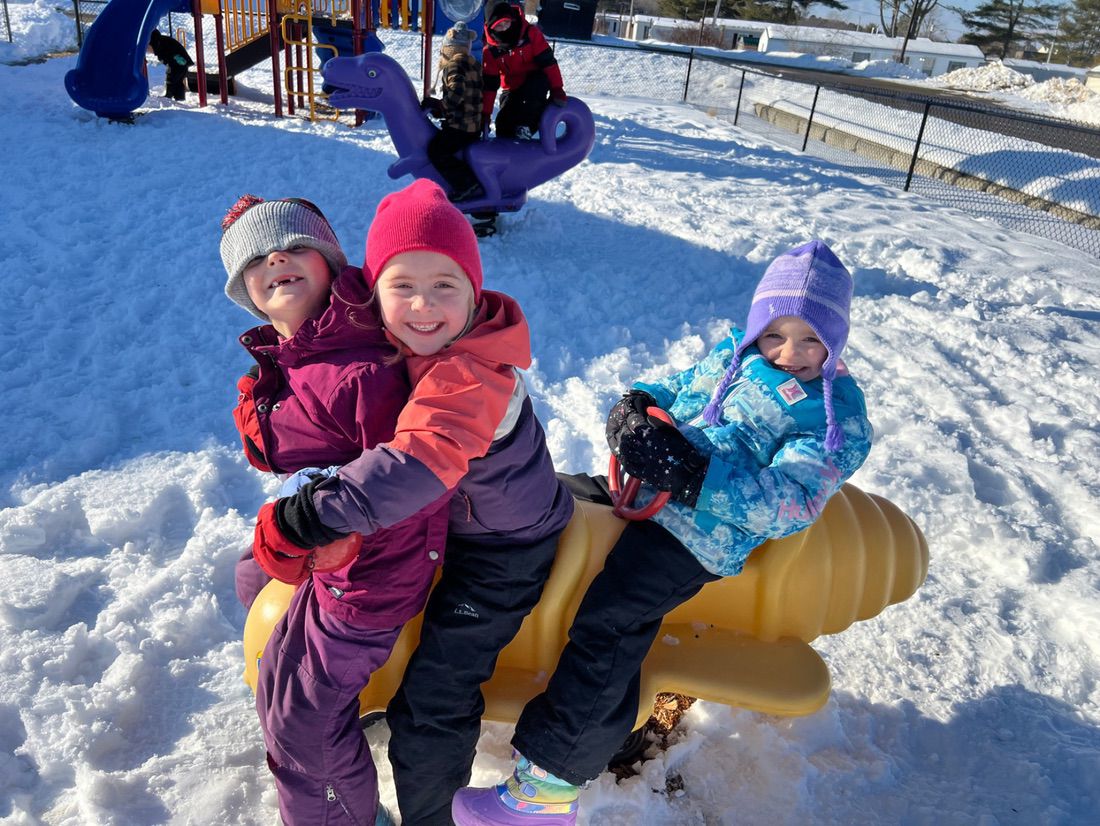
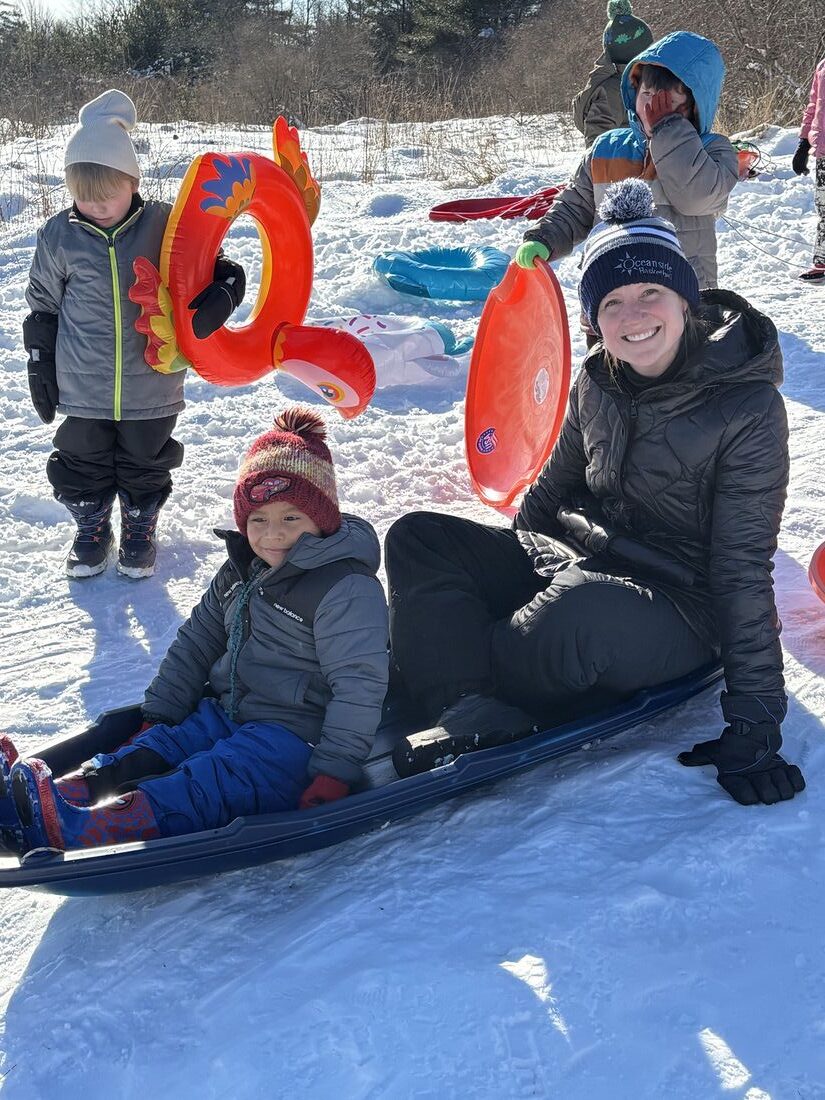
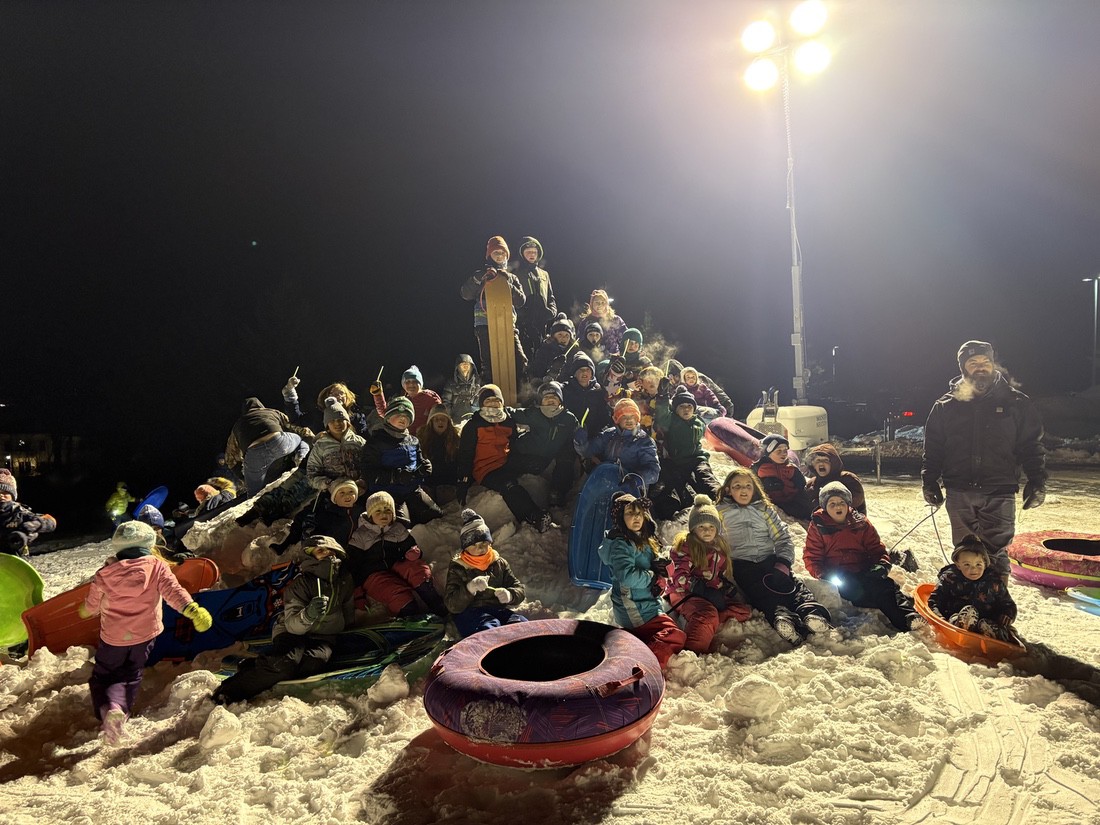
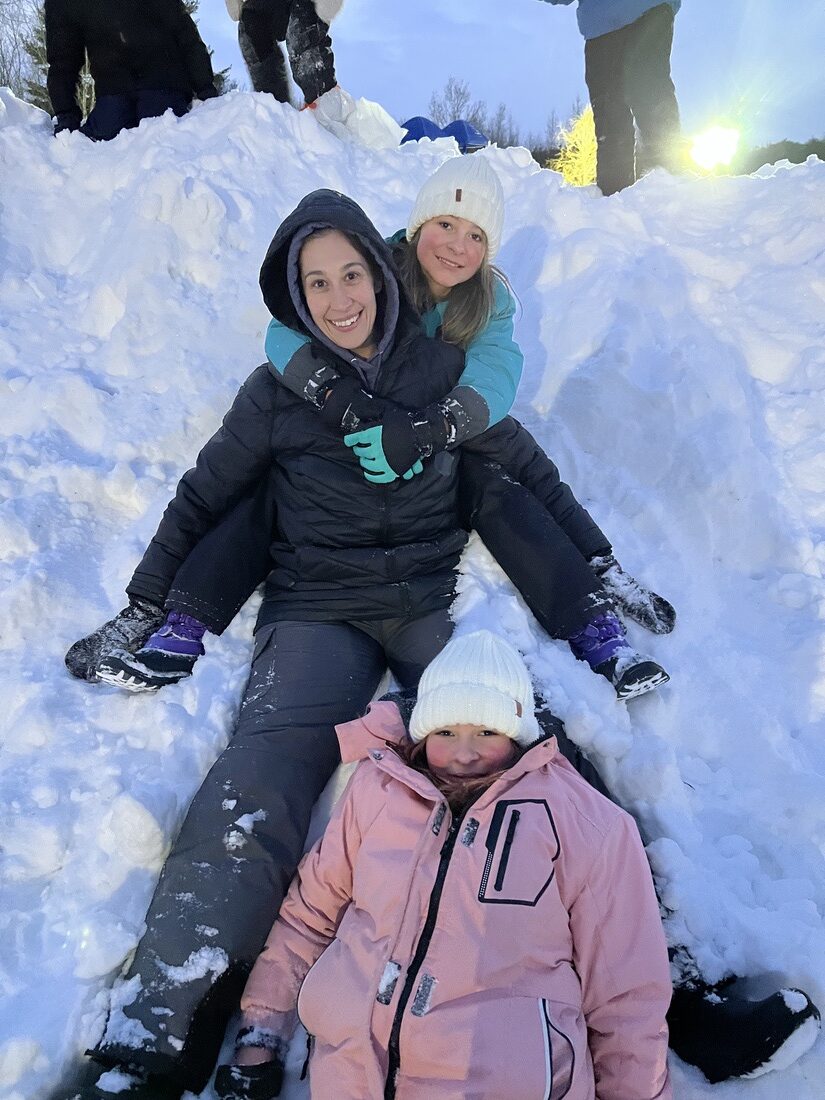
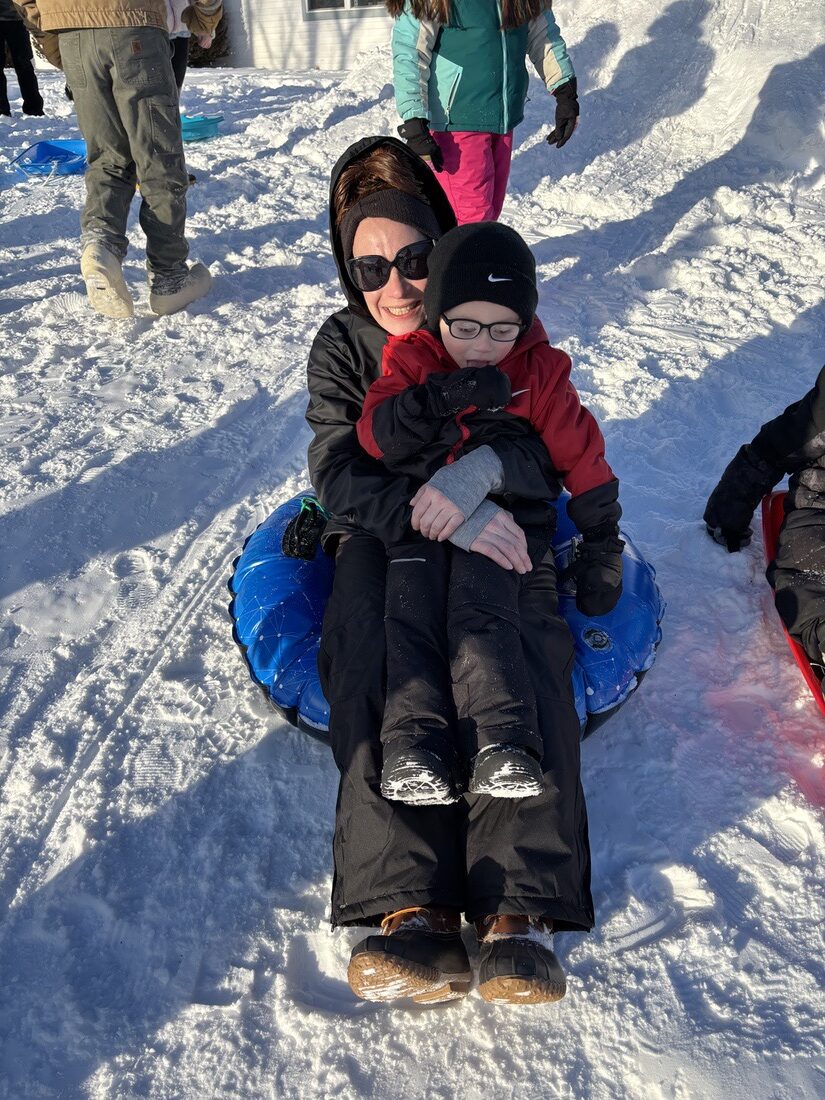
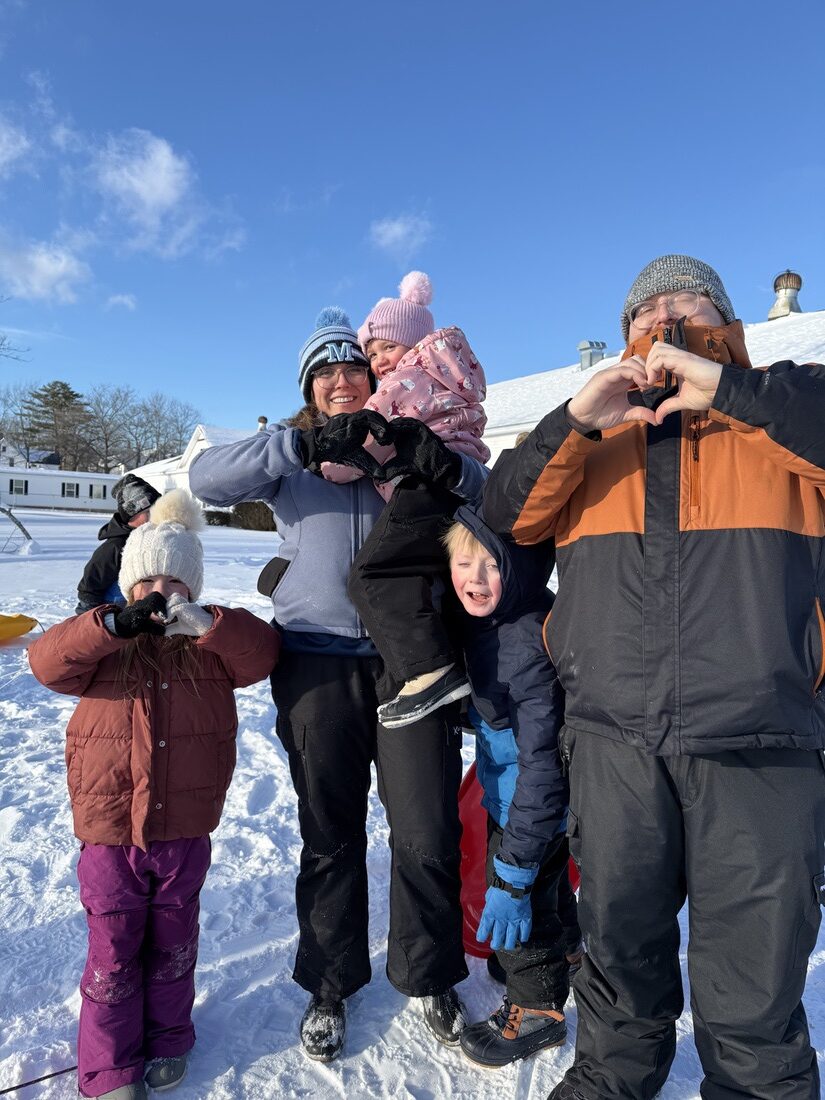
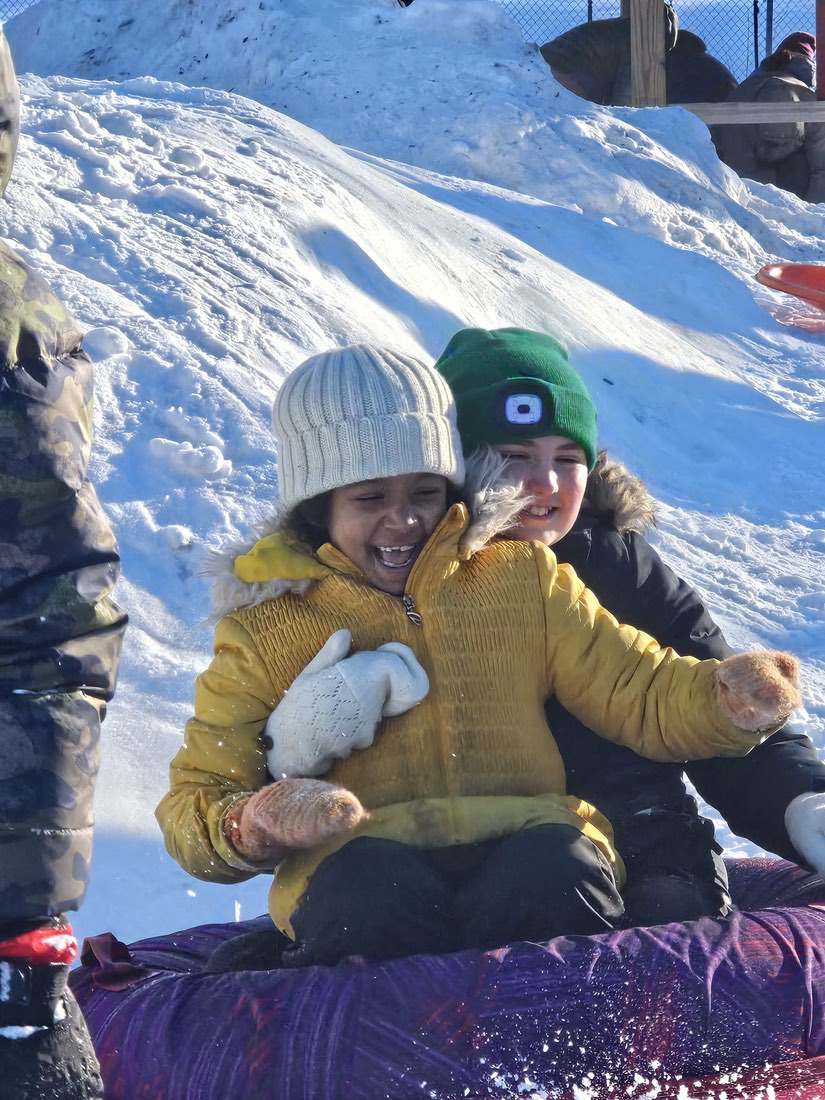
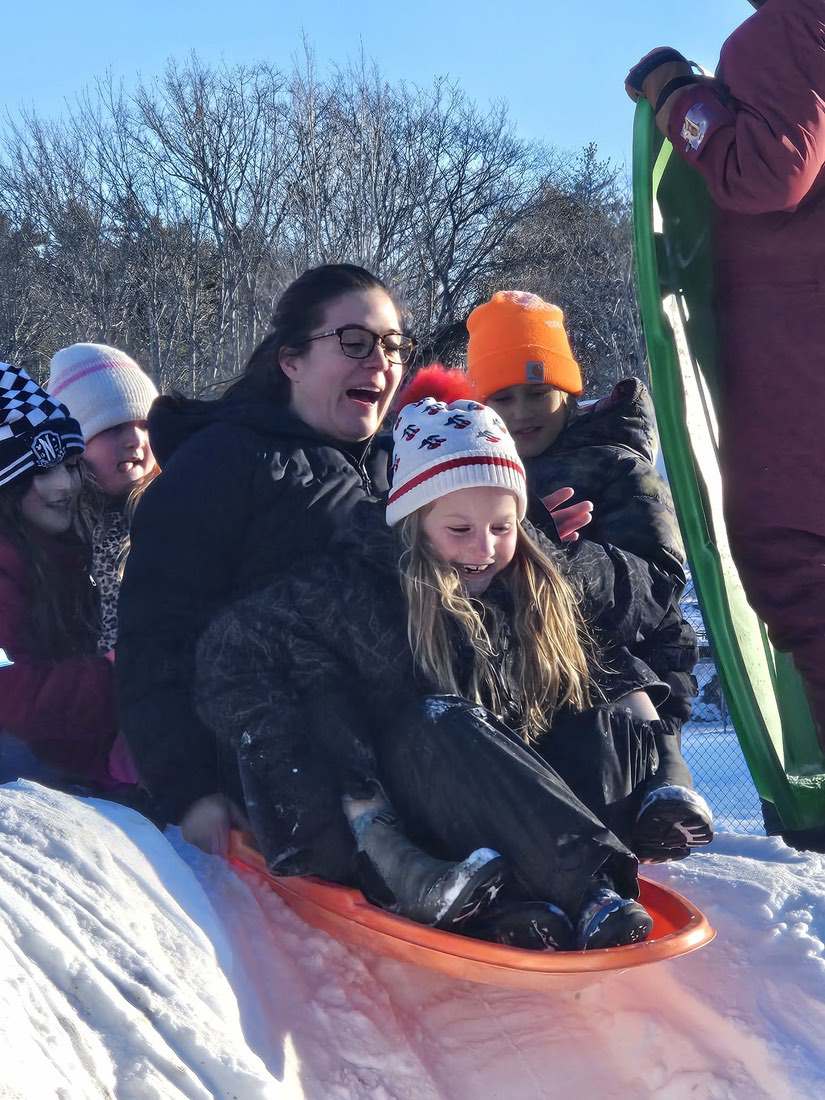
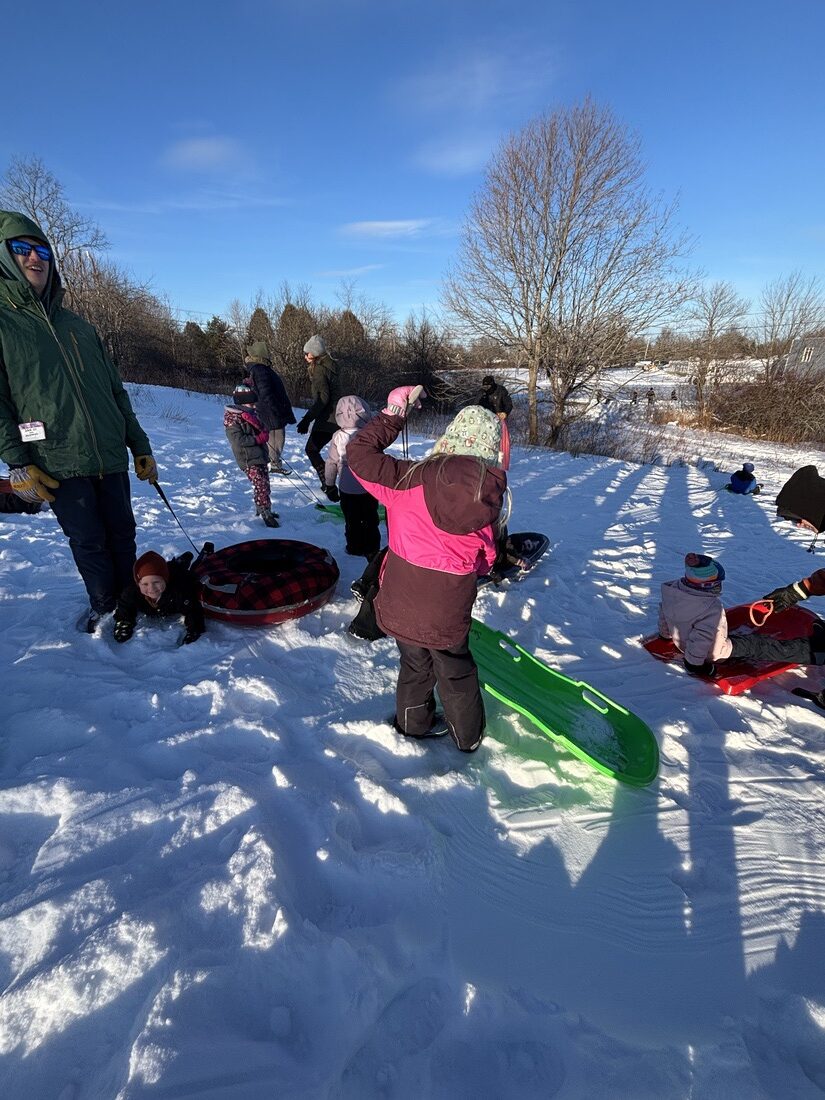
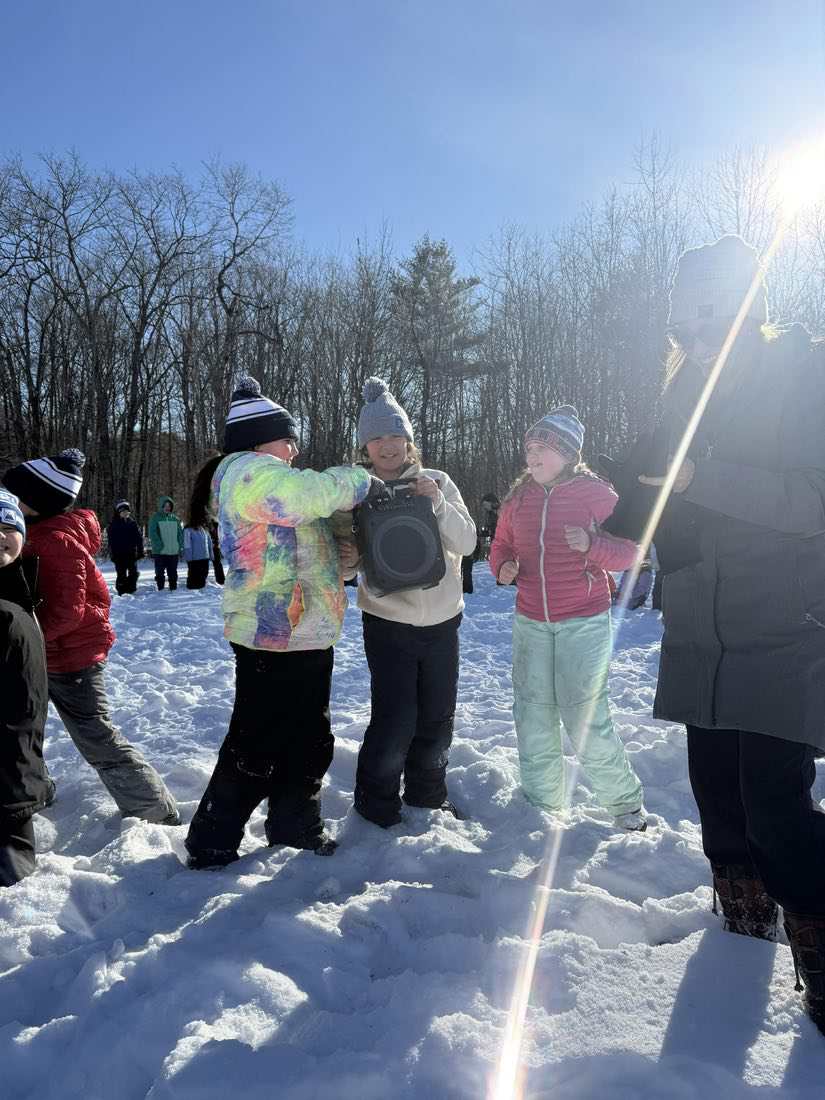
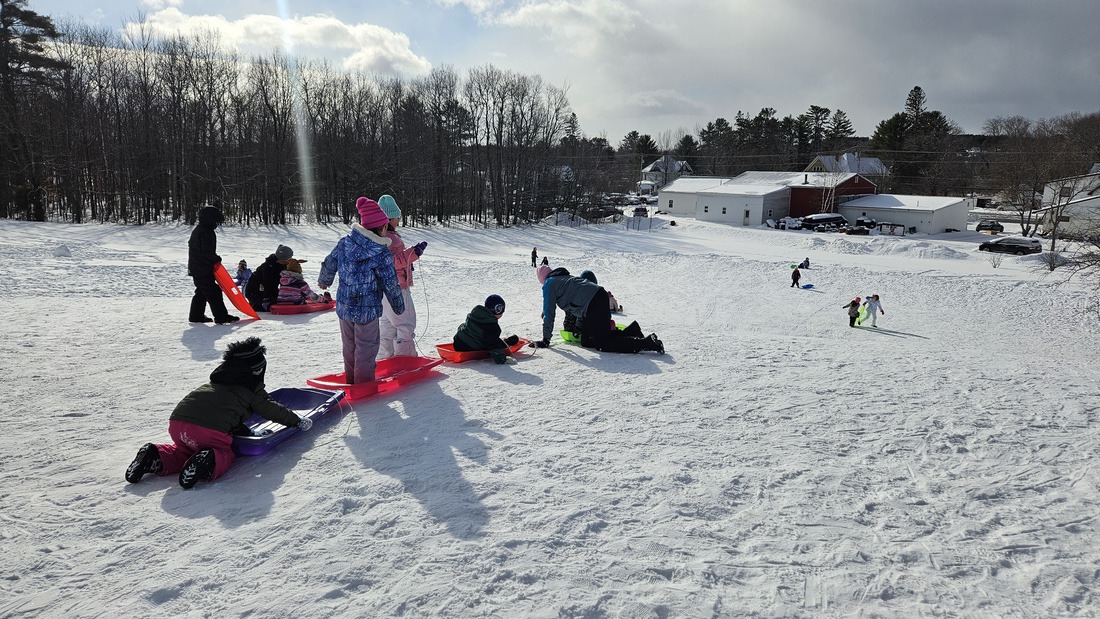
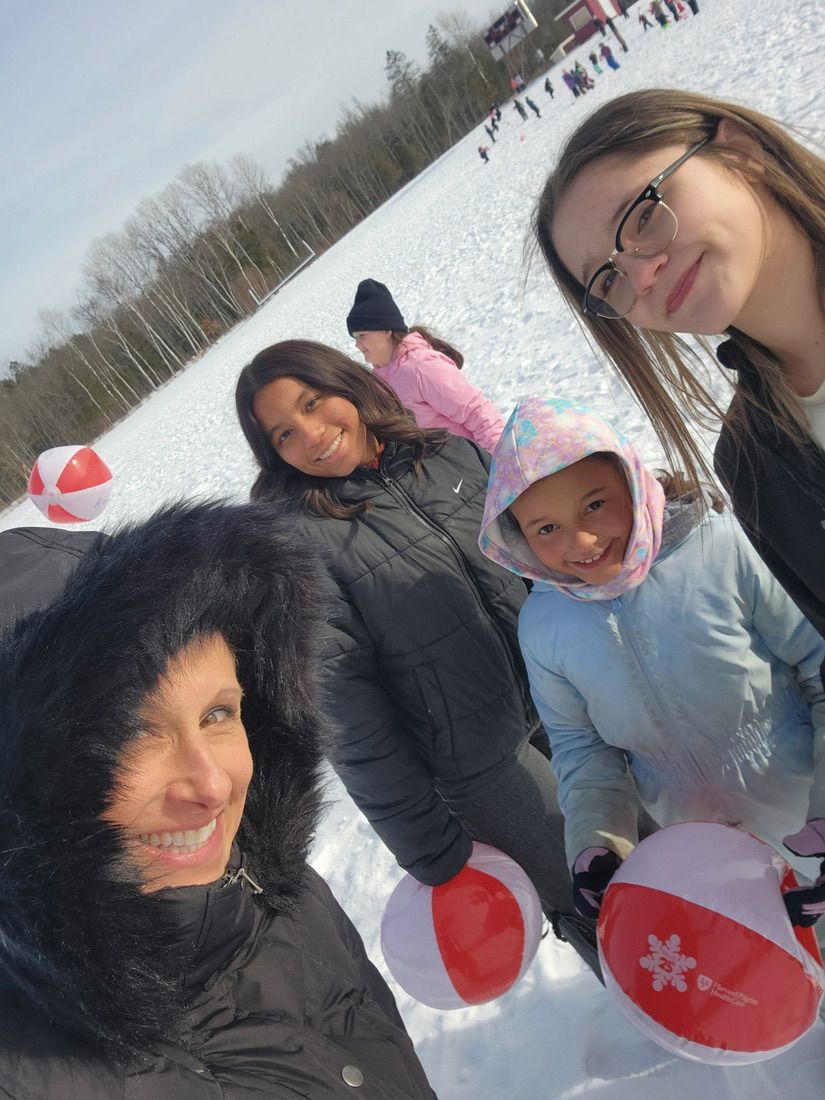
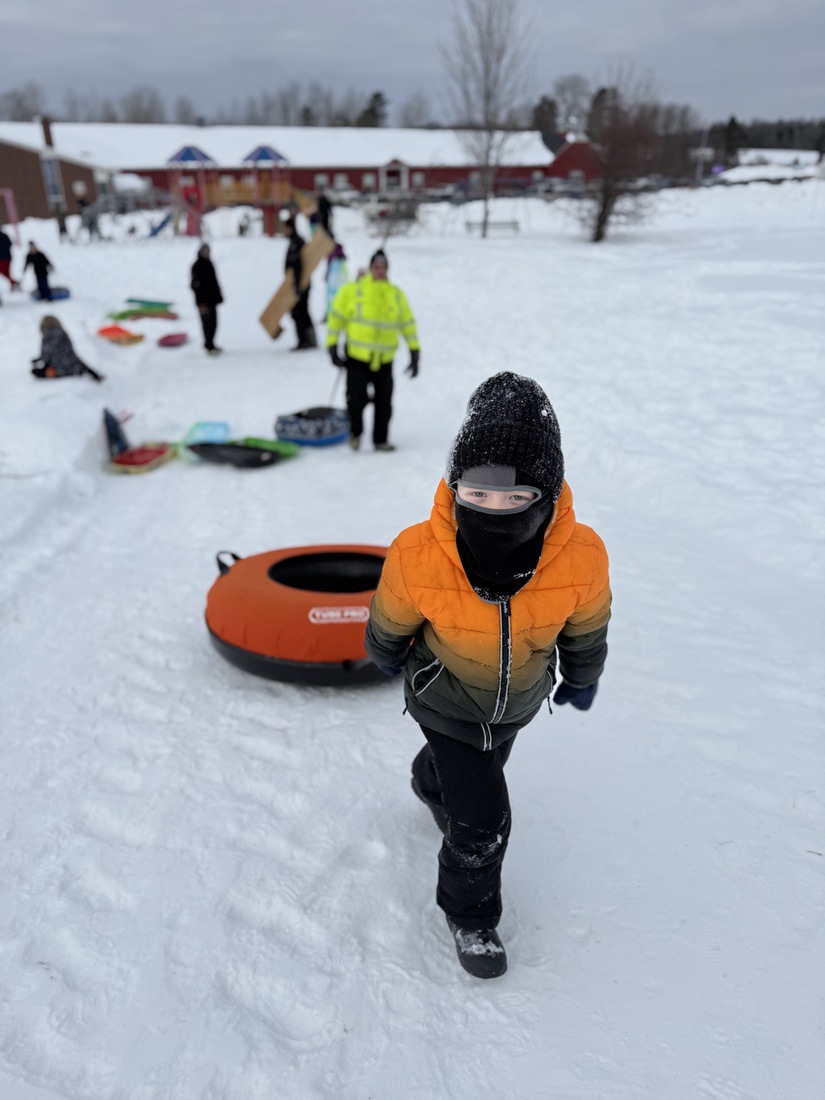
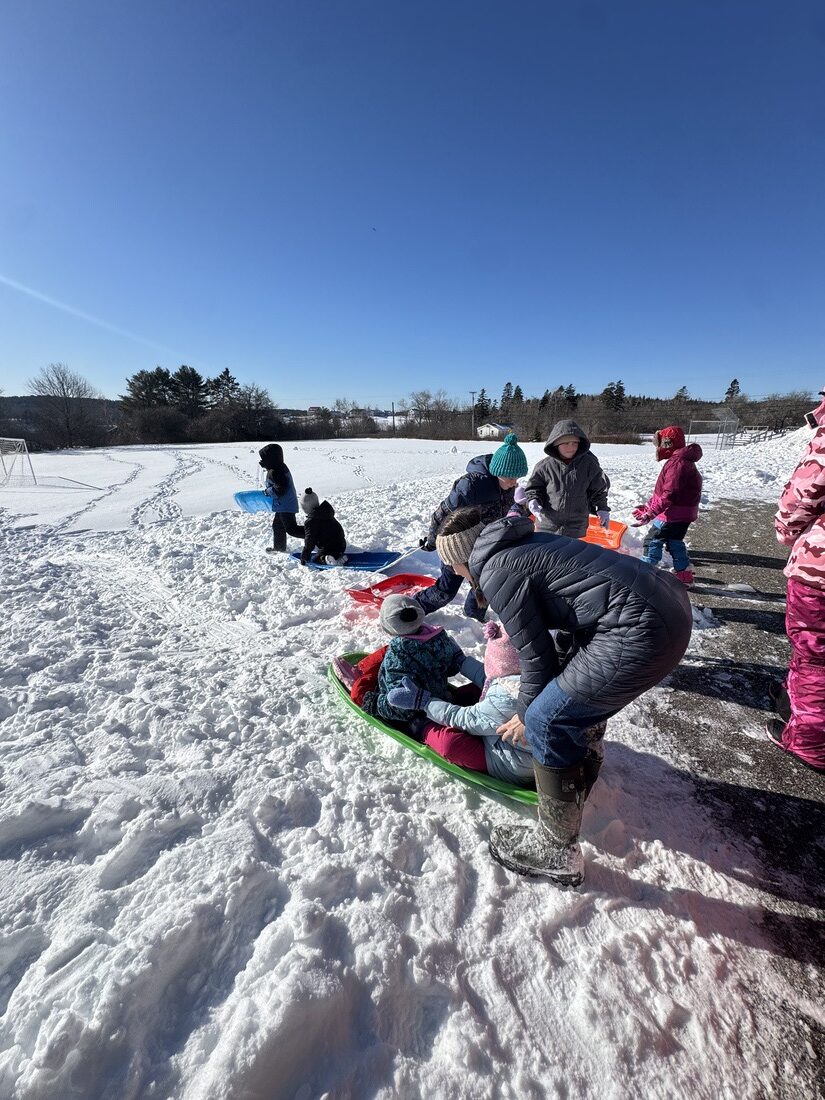
The WinterKids Winter Games nurture this by creating shared experiences that bond students to each other and to the season itself. When children cheer each other on in the cold, pull a teacher across the snow on a sled, or sit outside together for lunch in the fresh air, they are building the kind of memories that quietly shift how they see winter for years to come.
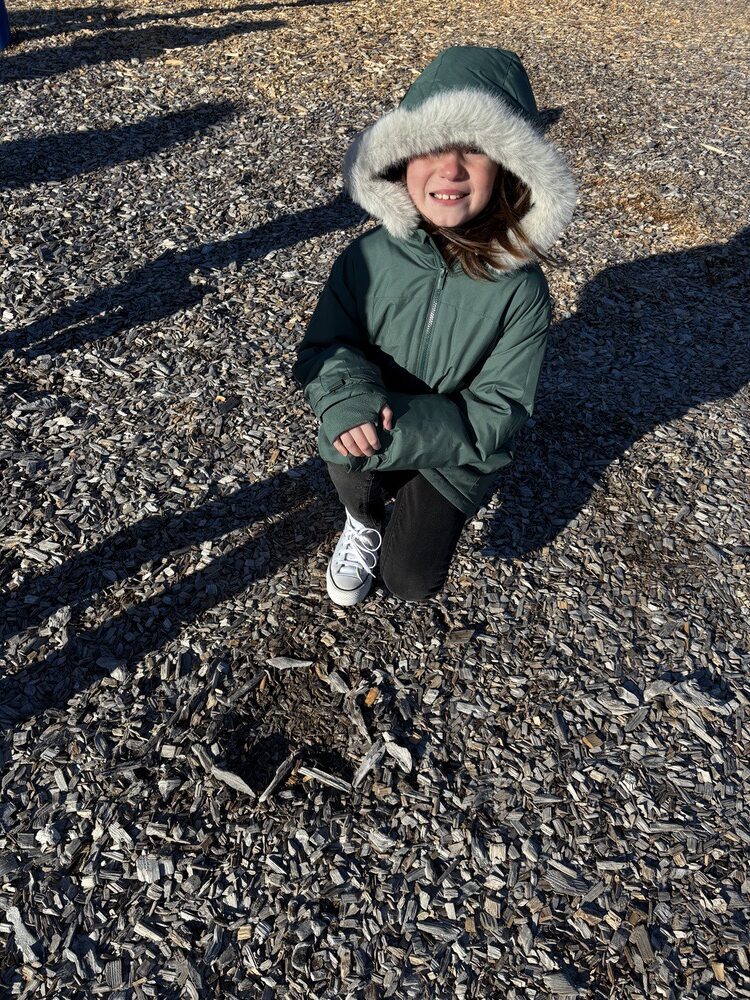
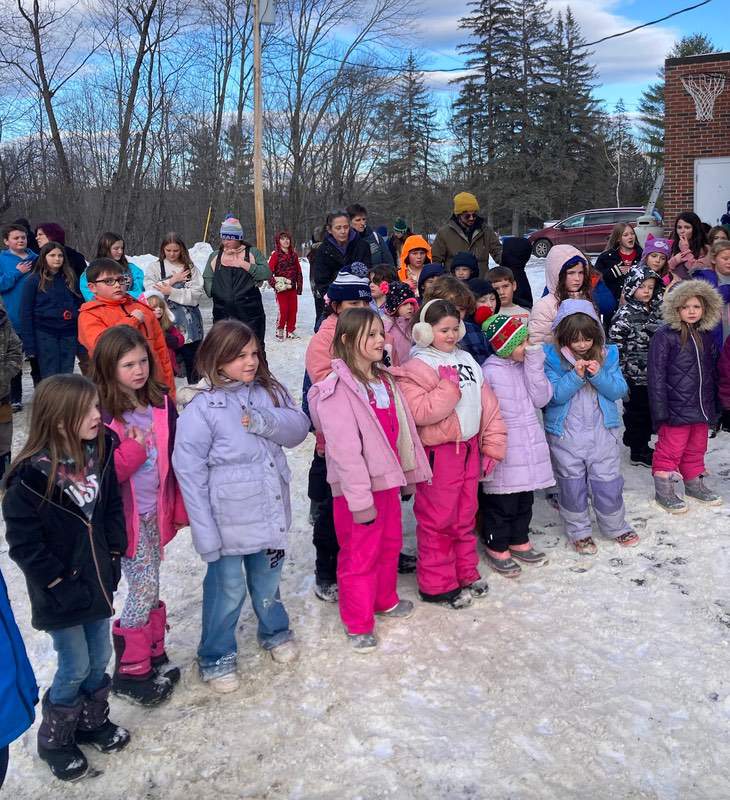
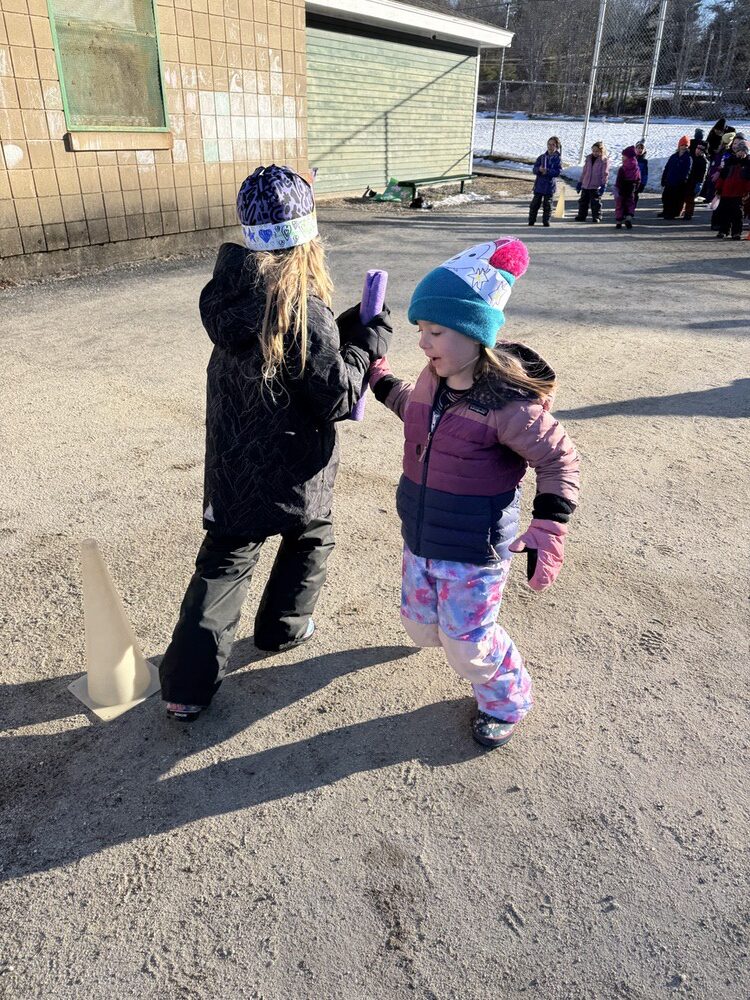
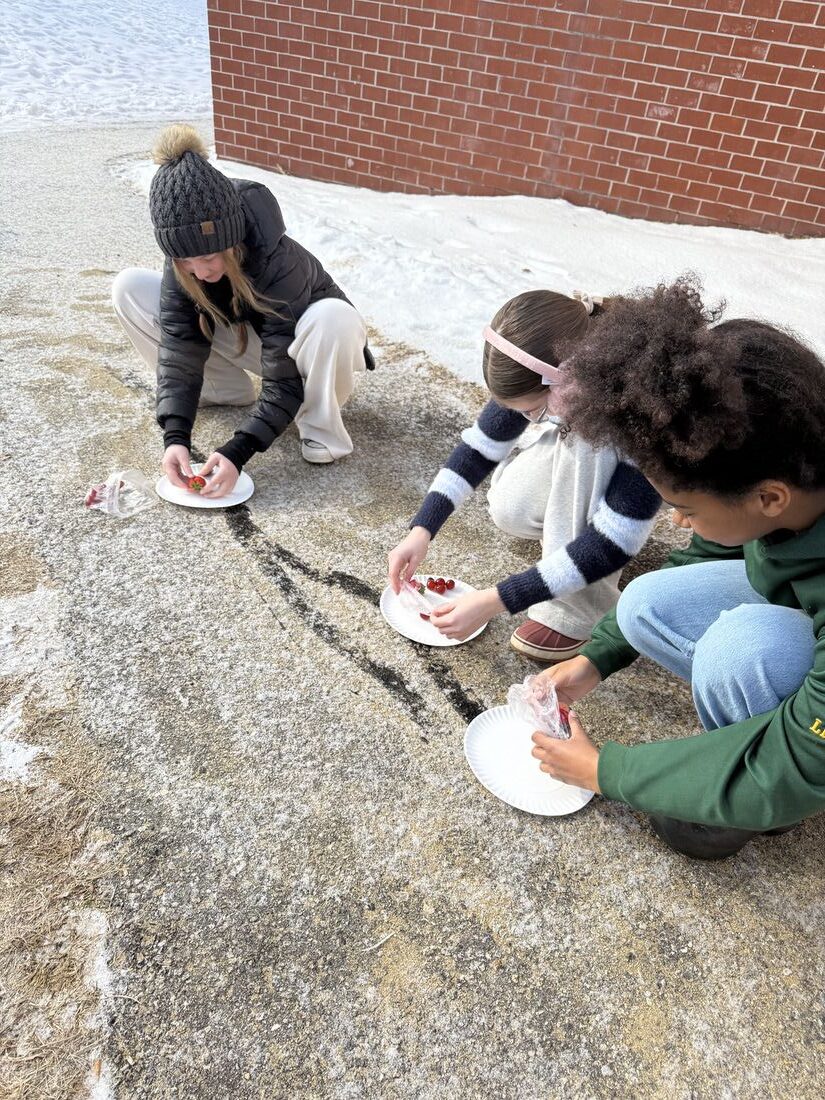
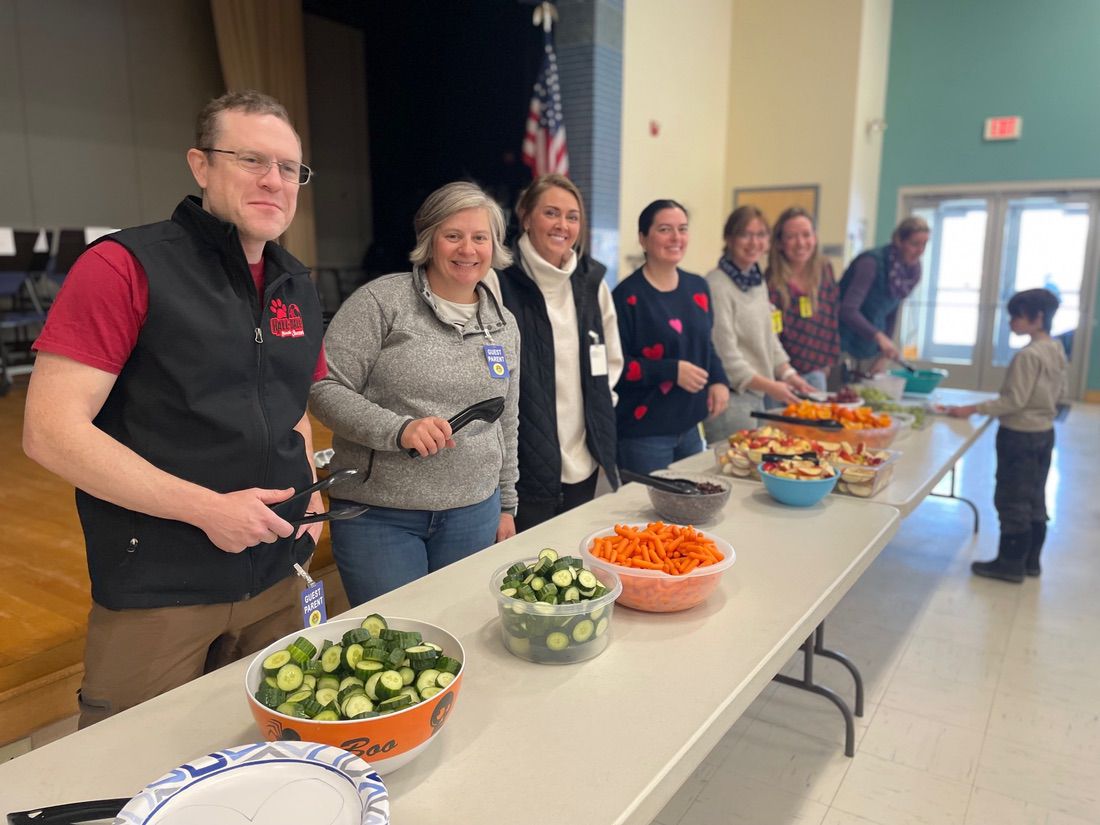
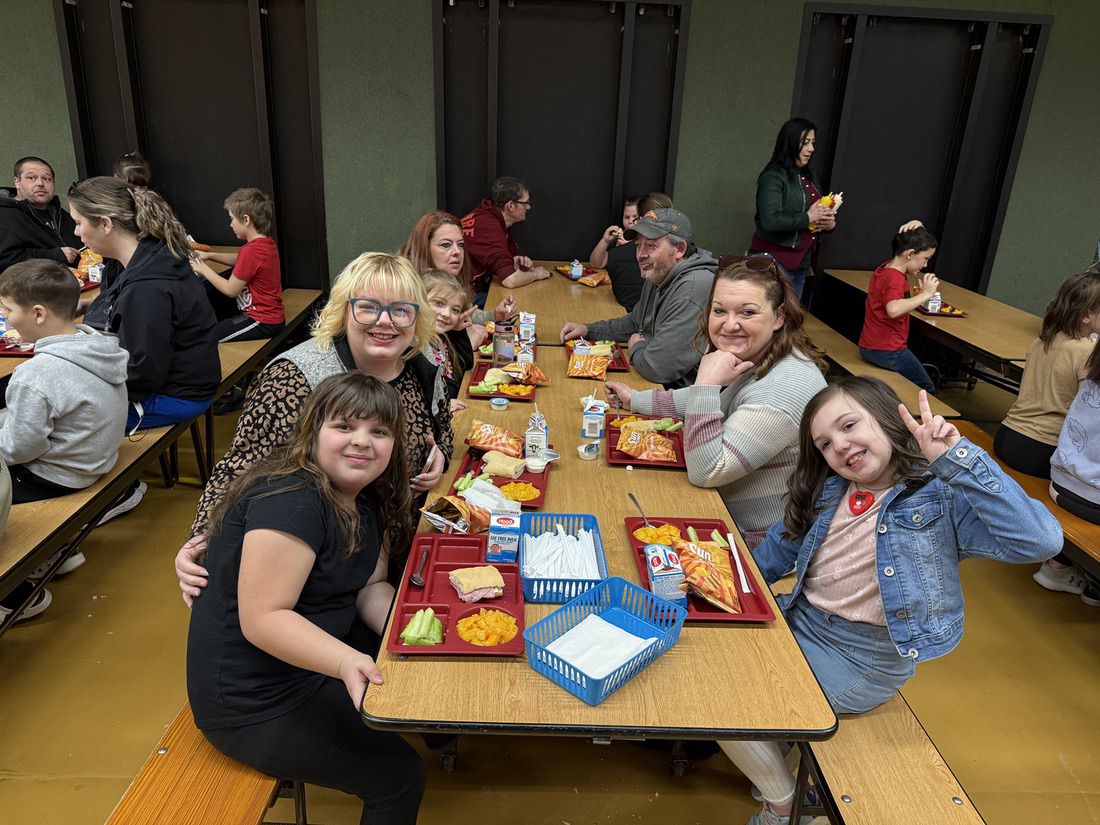
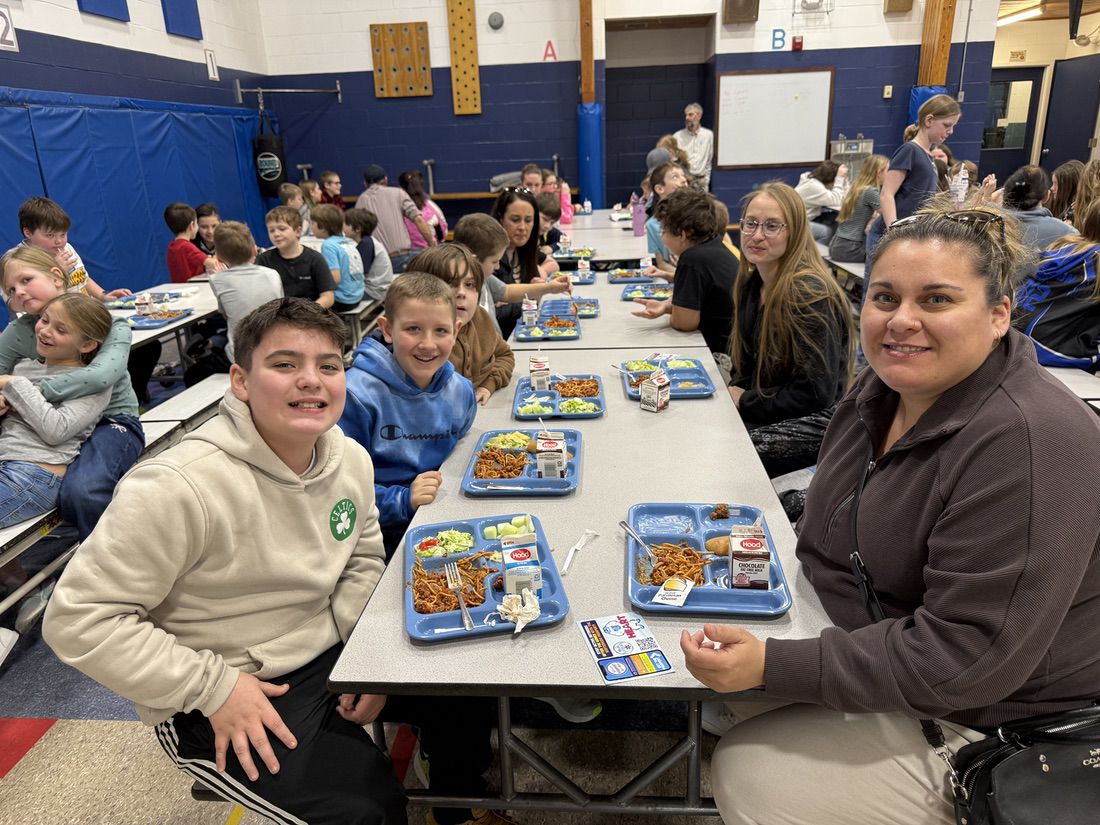
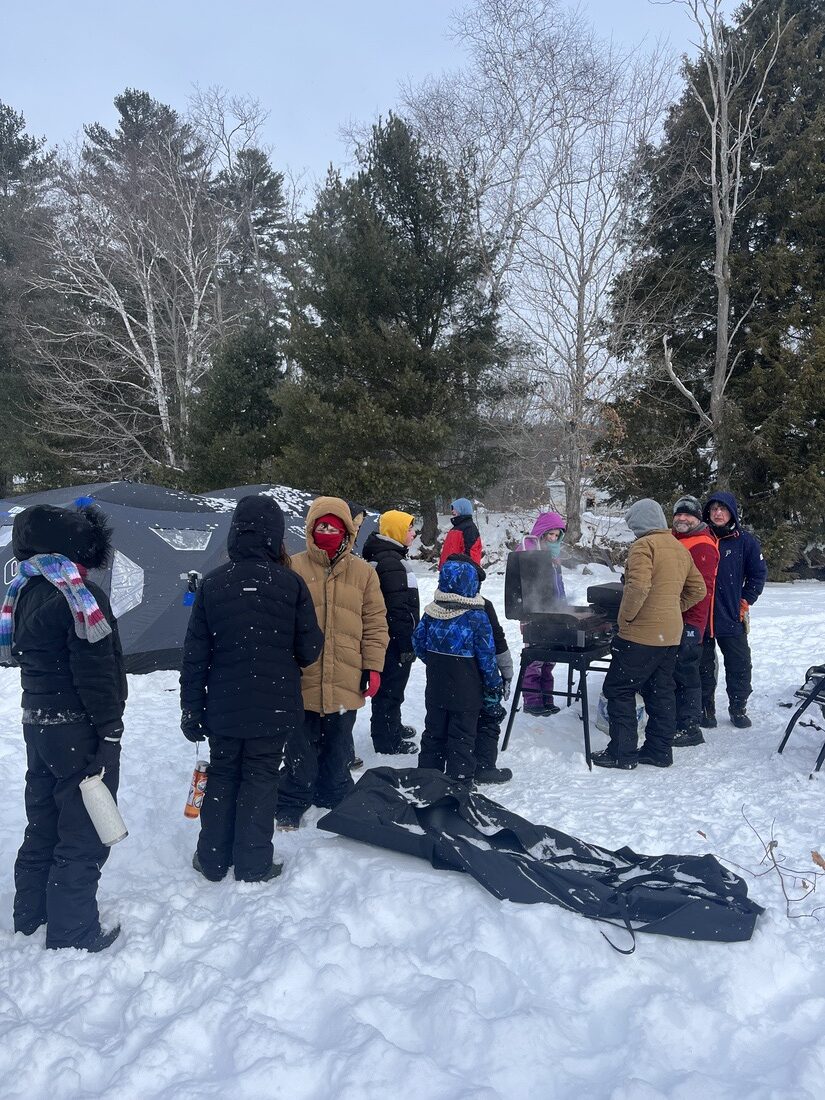
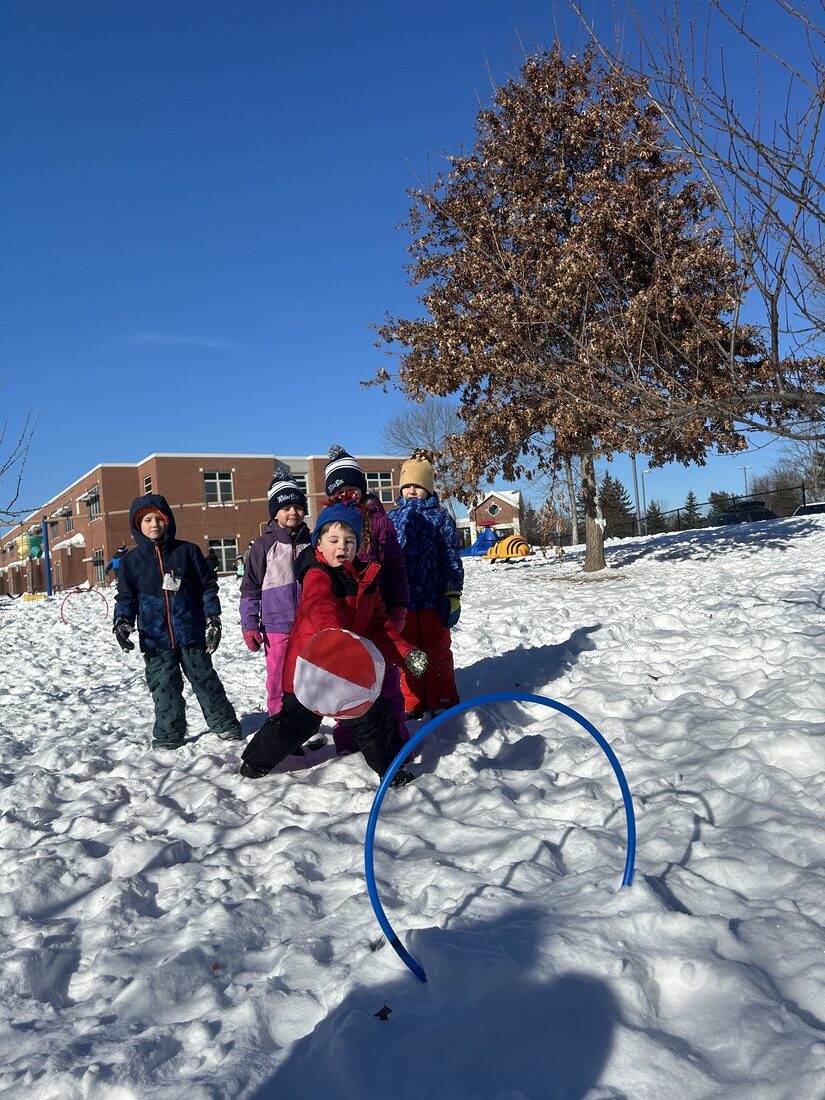
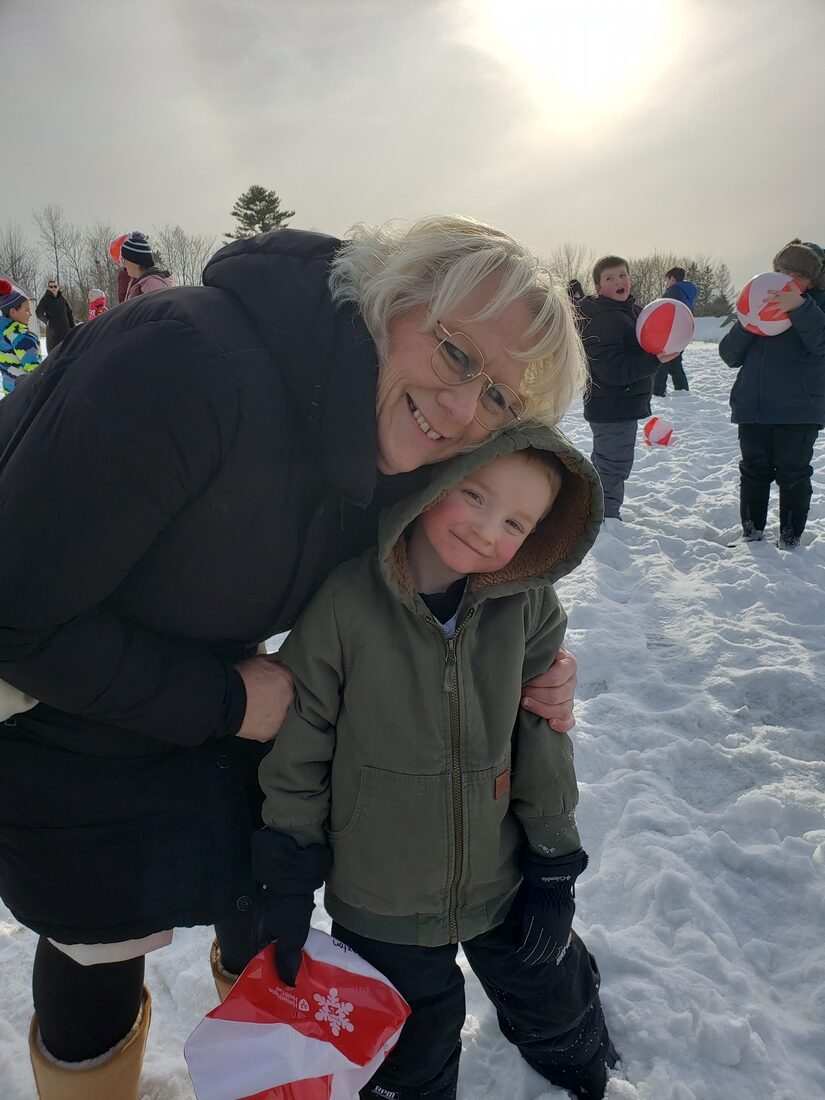
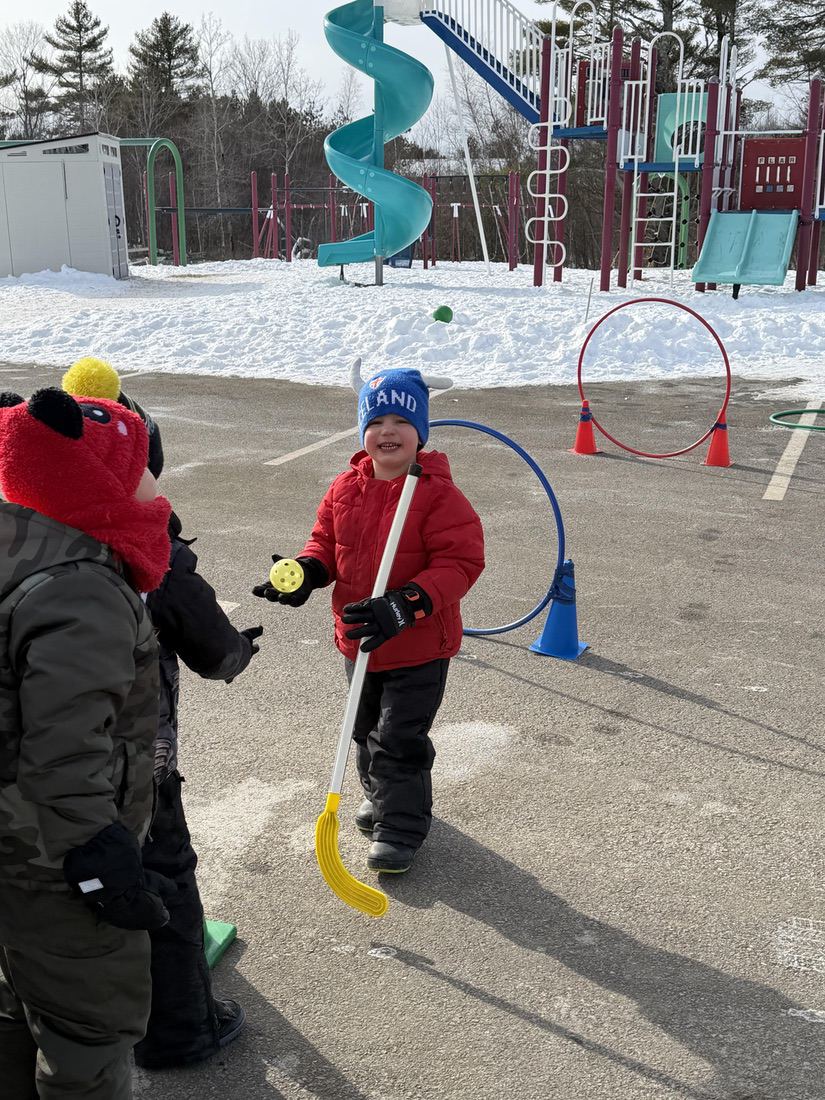
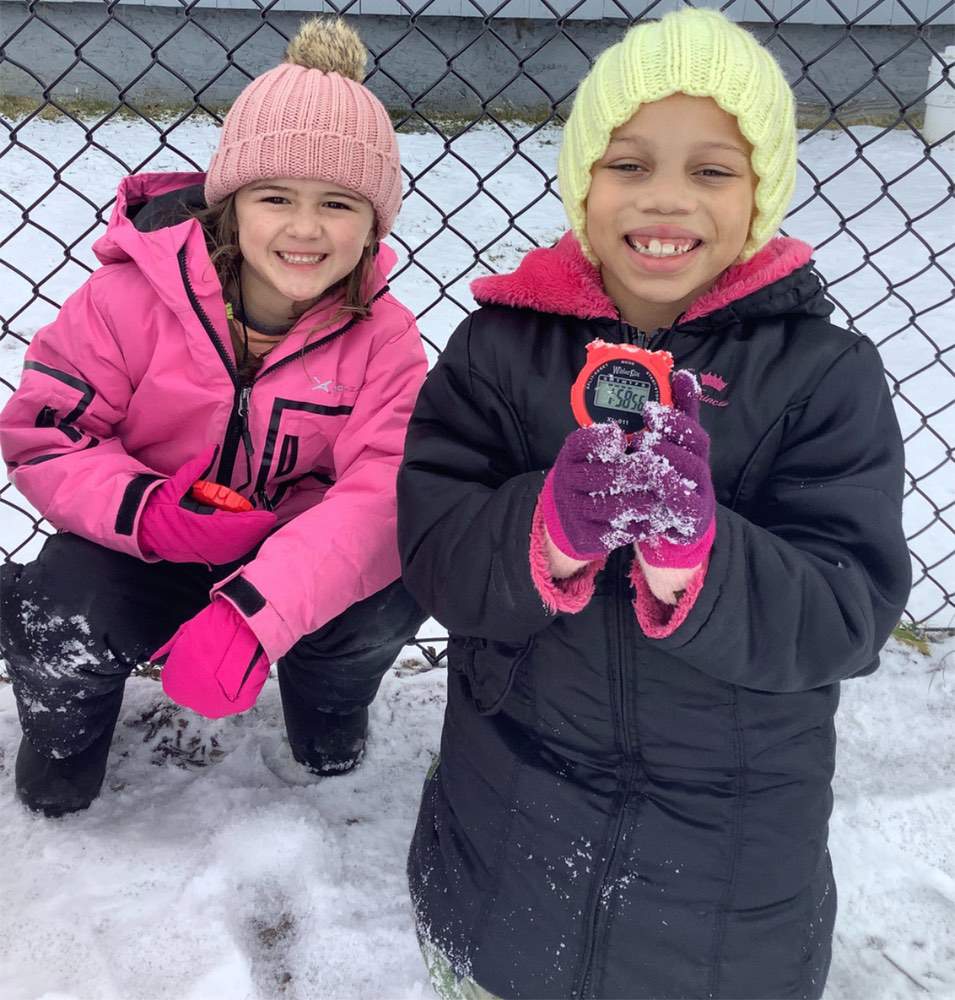
At Harrison Elementary, that spirit was on full display. Even with temperatures dipping to 8 degrees, students embraced everything the season had to offer, participating in exciting relays and cheering each other on during the step competition. The energy was contagious. Families joined in, too, gathering for a WinterKids parent luncheon where students and caregivers shared a picnic lunch outside, followed by winter recess activities that gave everyone a chance to move, play, and enjoy the season side by side. It was, as one educator described, a celebration of outdoor activity, community connection, and all the joy winter brings.
One of the most significant barriers to lifelong winter wellness isn’t the cold itself. It’s the mindset winter creates. When children grow up associating winter with discomfort, restriction, or boredom, they’re far less likely to choose outdoor activity as adults.

And adults matter here, too. When a parent or teacher treats winter as something to endure, children pick up on that. The Winter Games offer an easy framework to teach kids outdoors, where they don’t just survive, they thrive.
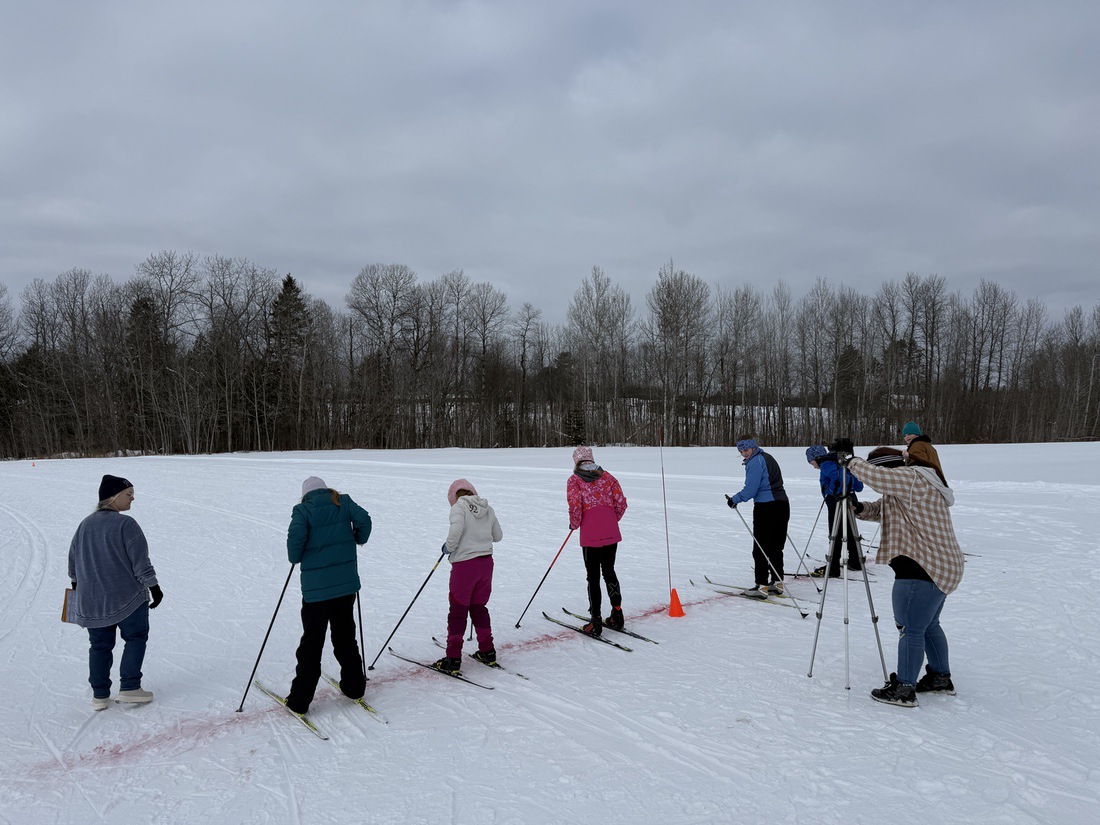
4. Building School Culture Through Shared Winter Movement
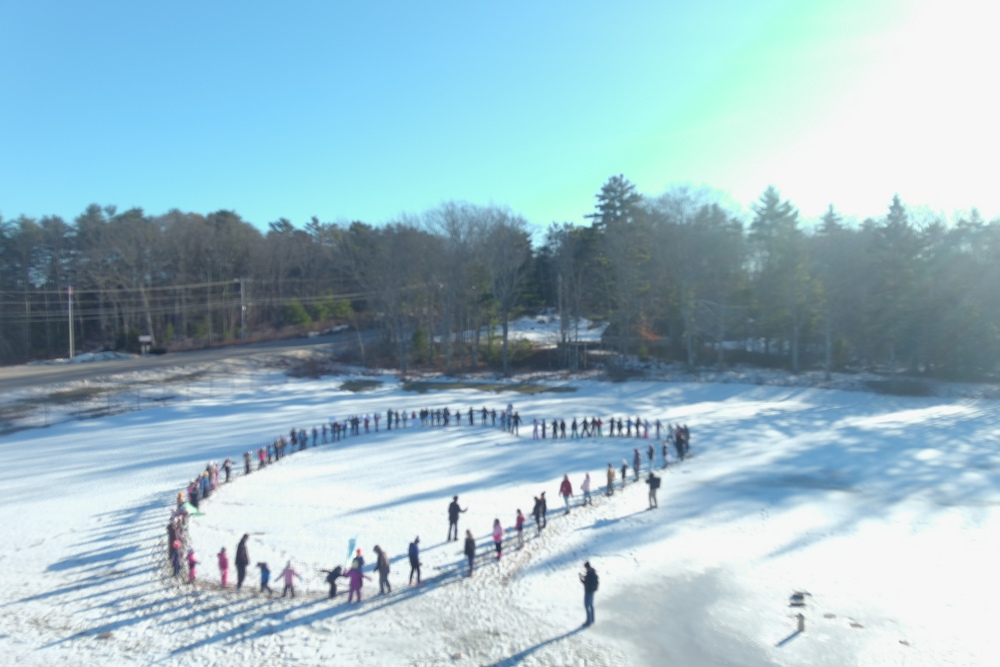
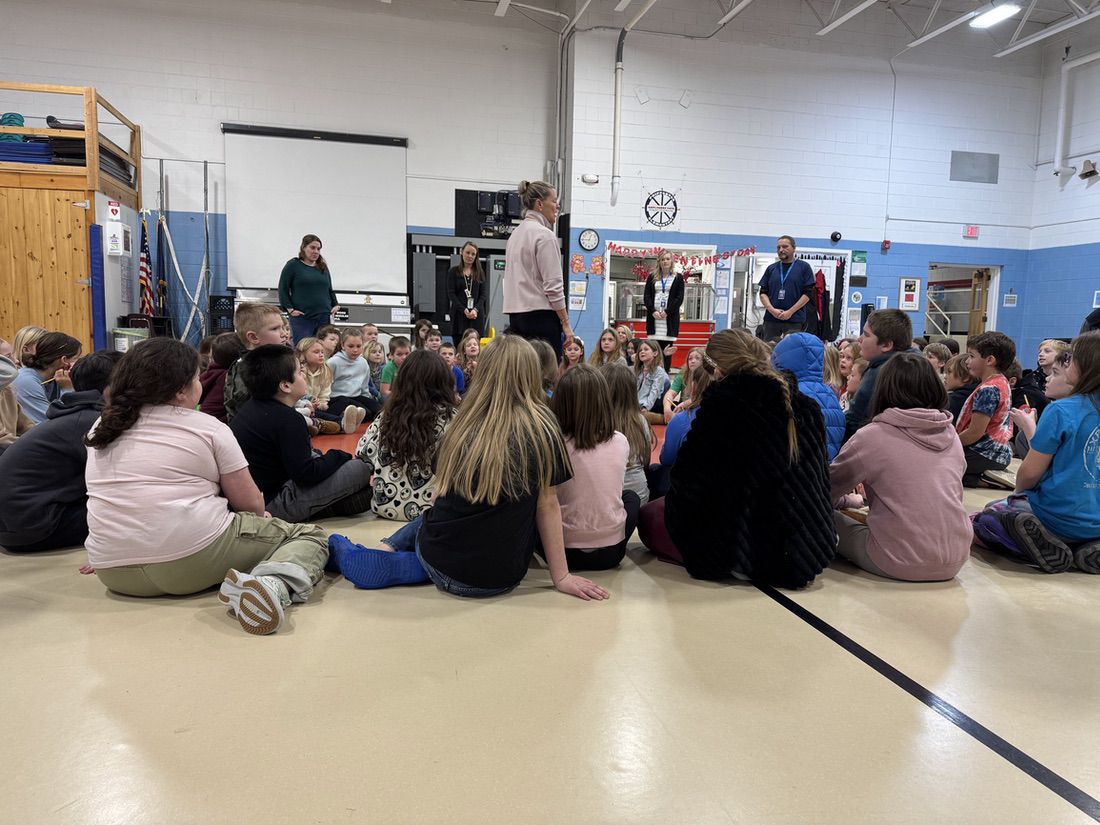
One of the most powerful aspects of the Winter Games is how they unite entire school communities. Wellness becomes a shared value rather than a requirement placed only on students.
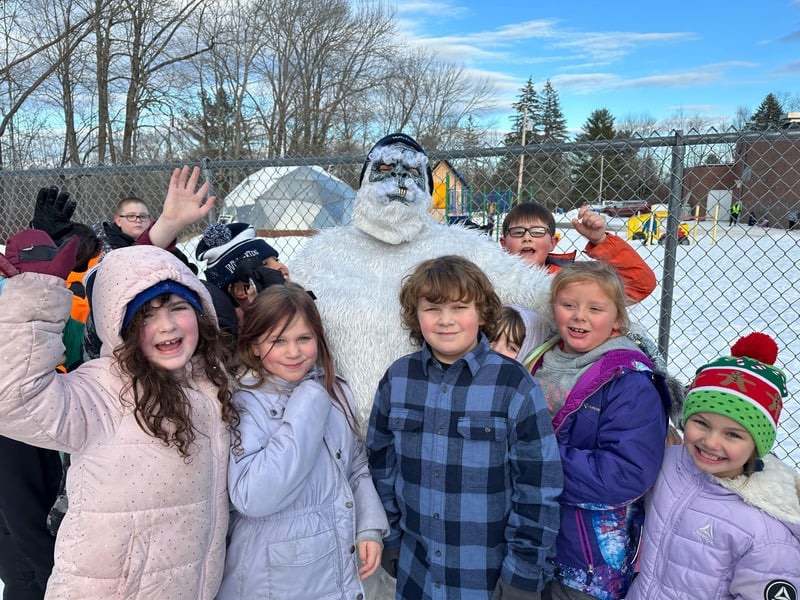
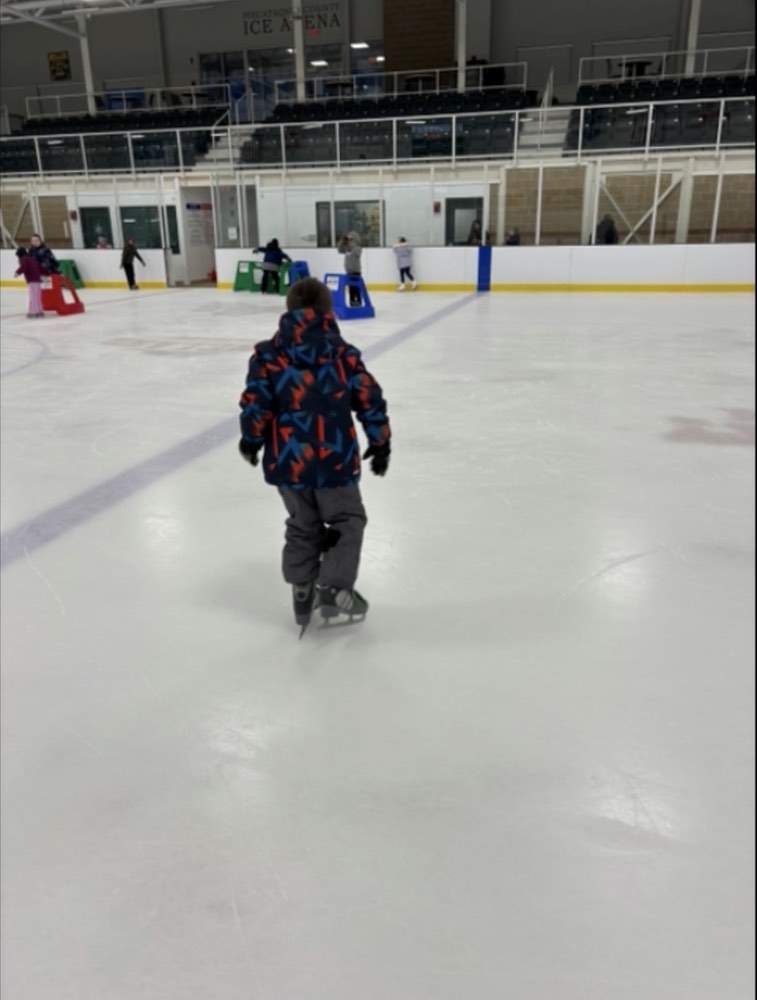
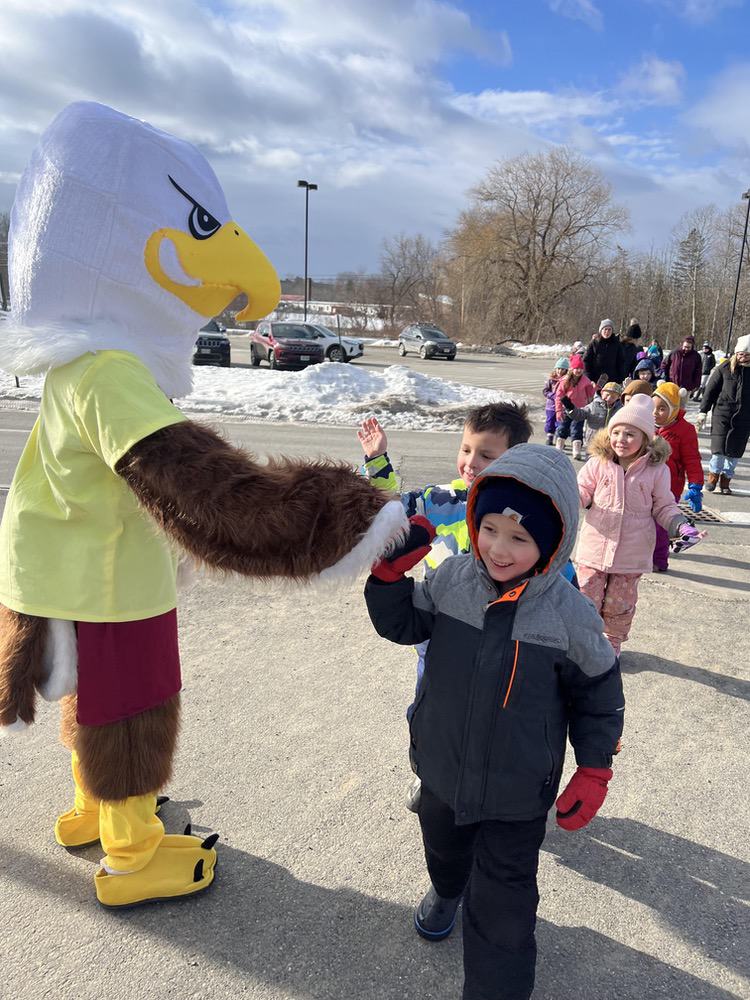
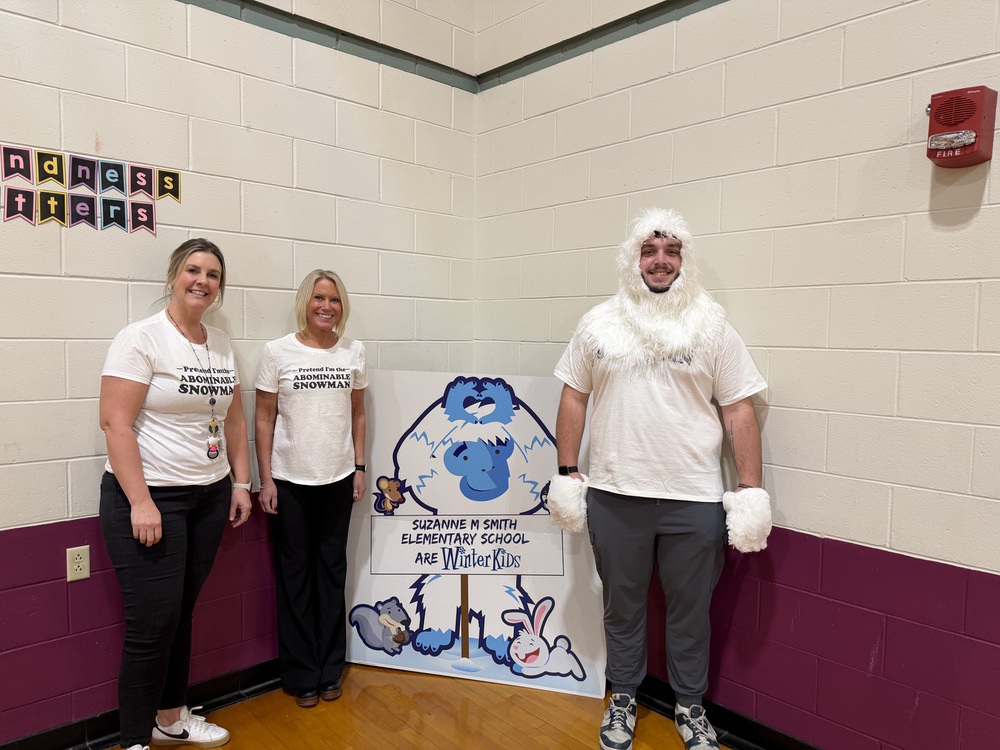
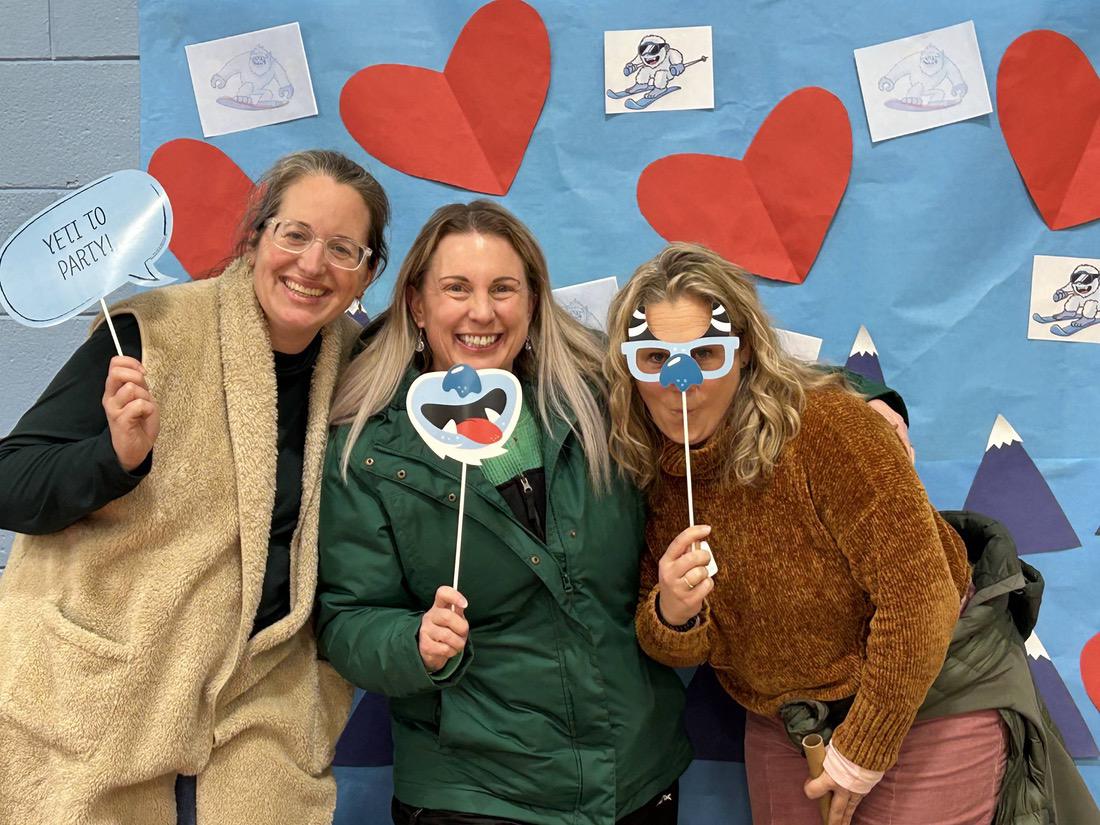
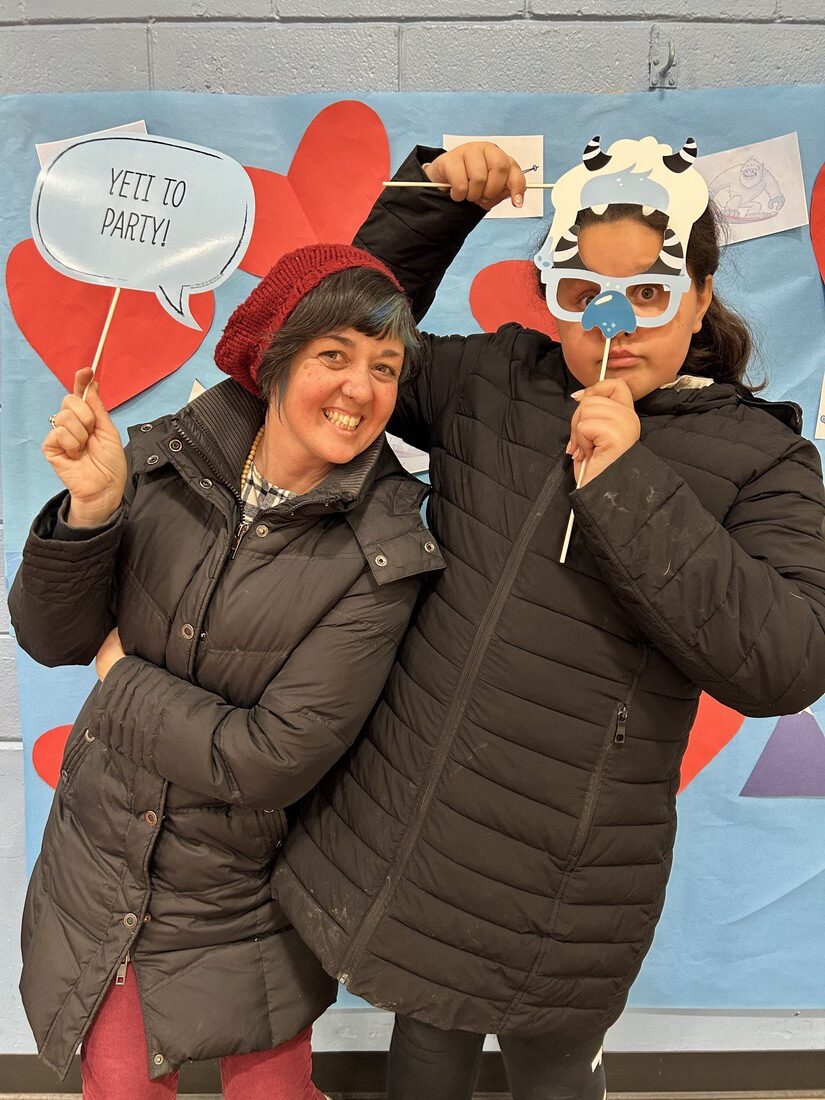
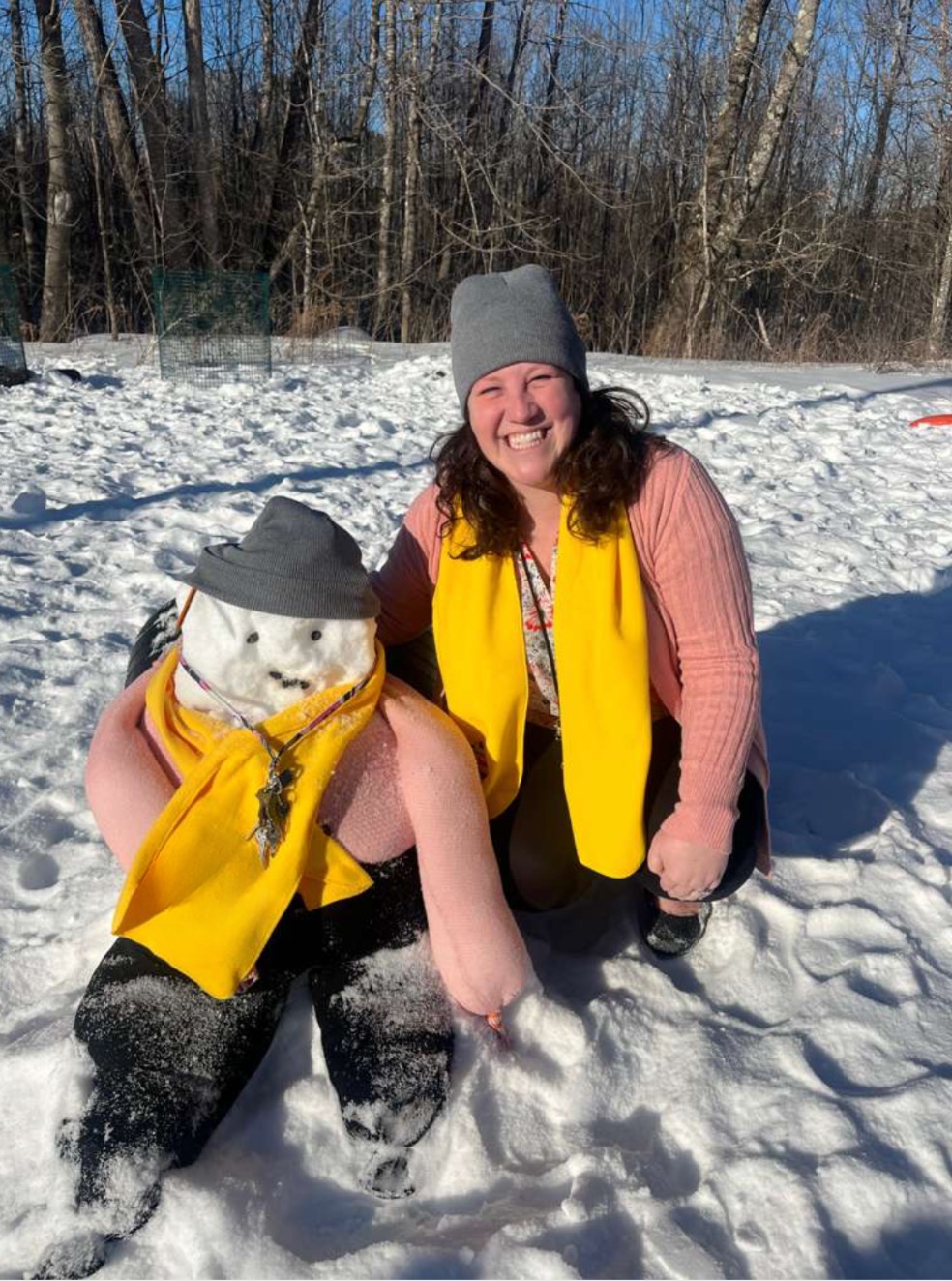
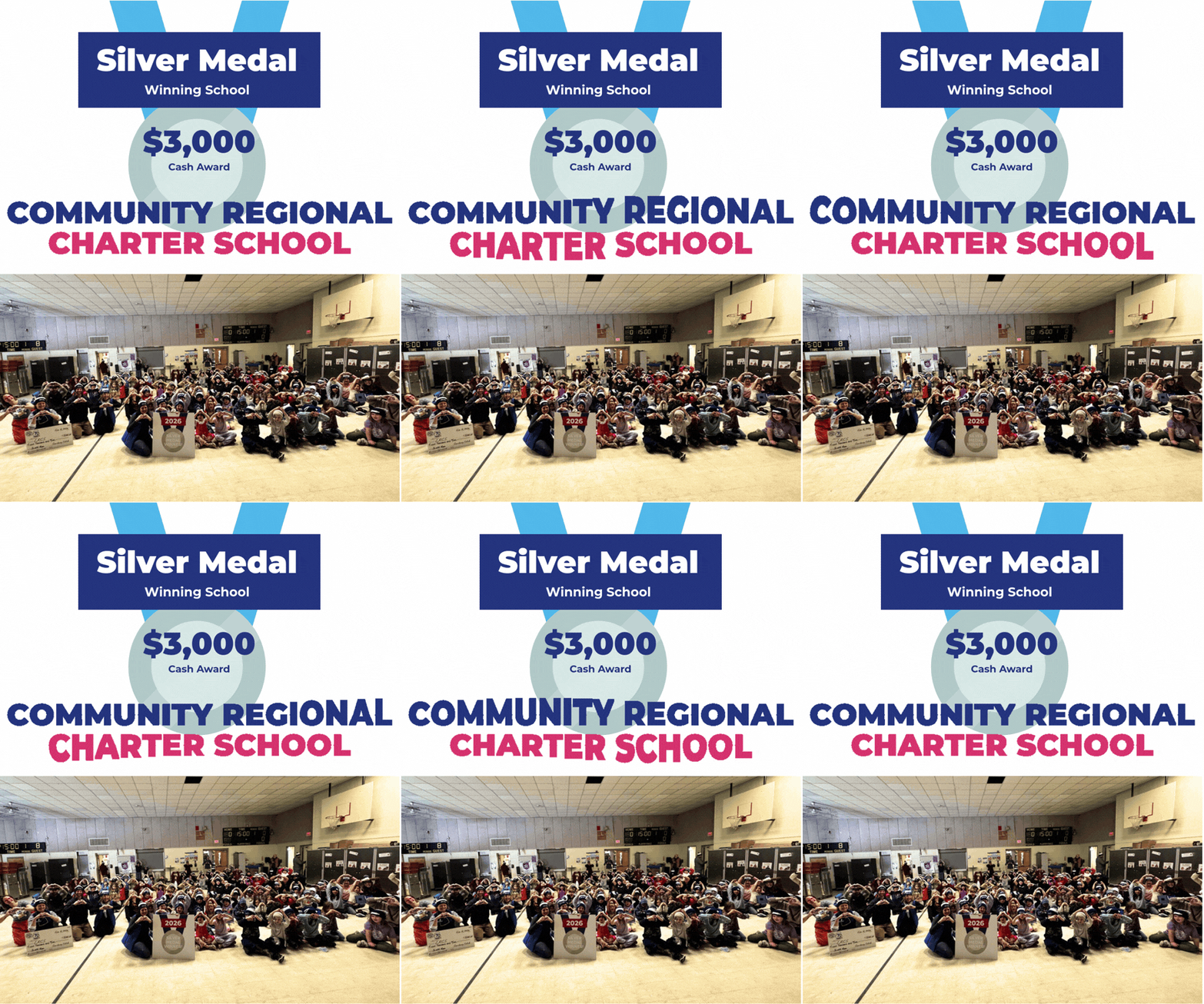
At Community Regional Charter School, staff participation was both creative and inclusive. Administrators, teachers, custodial staff, and even the school secretary joined winter activities. The superintendent skated alongside students. Staff competed in a winter gear relay race with students, and Yeti was there to cheer them on.
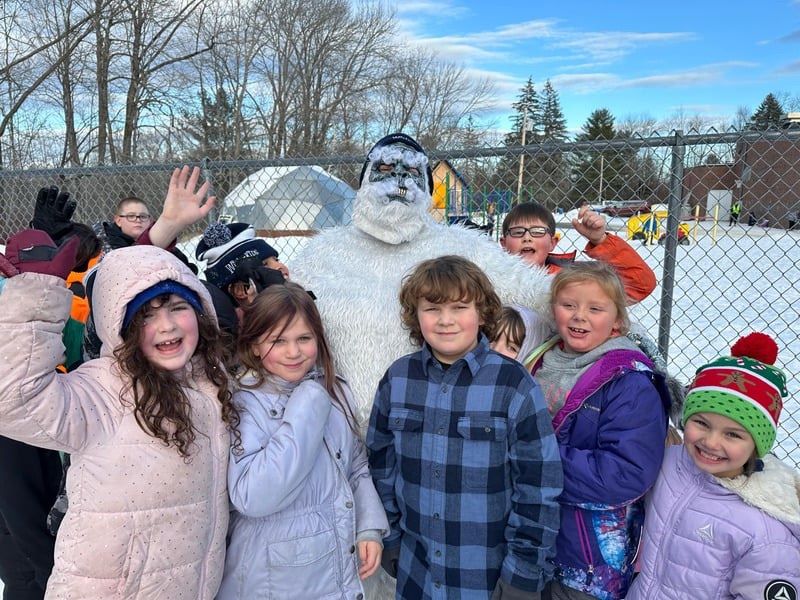
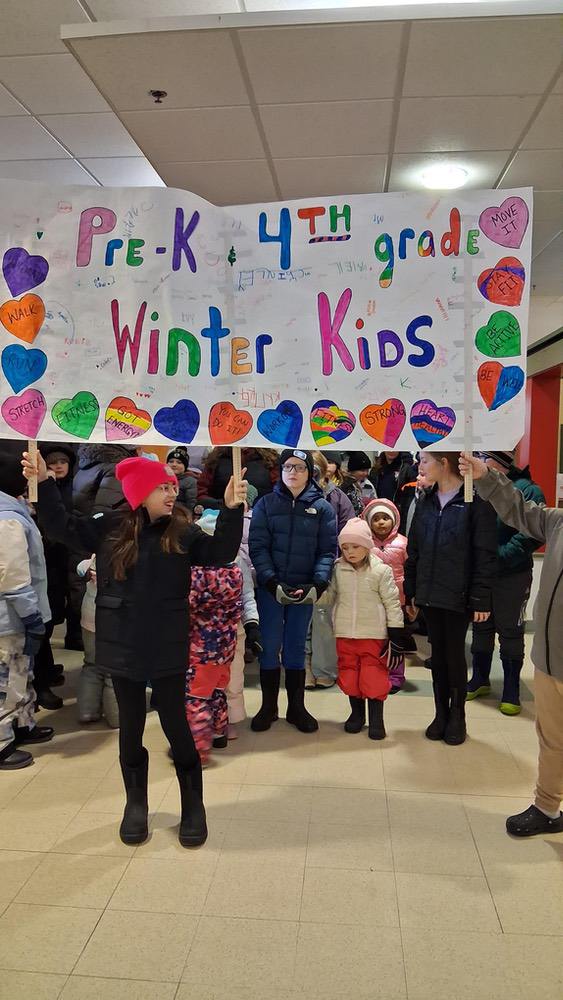
This visible participation sends a clear message: movement and outdoor learning matter for everyone. When the younger children see adults and older students modeling joy, effort, and play, it reinforces that wellness is part of daily life, not a separate lesson confined to gym class.
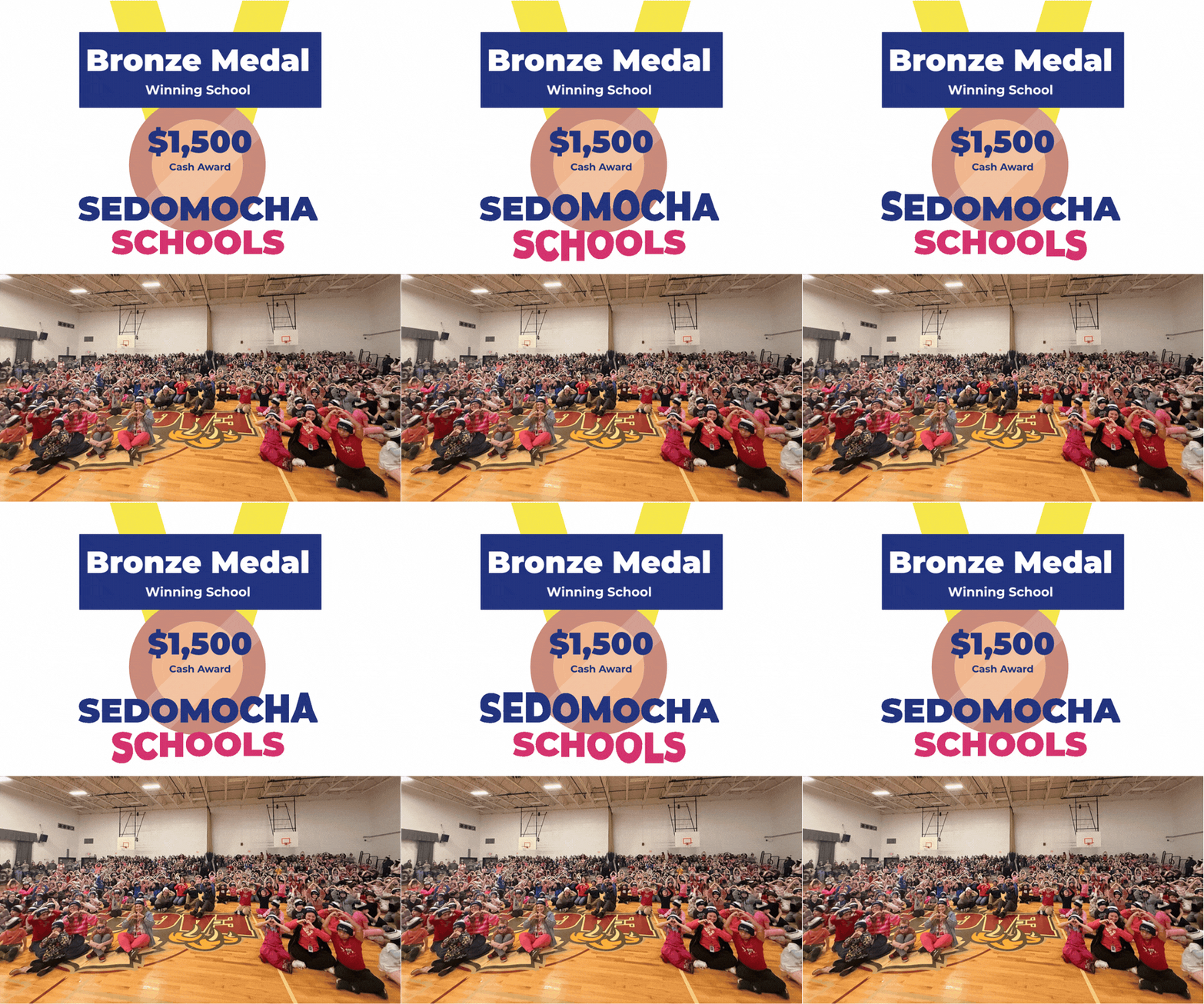
The transformation extends beyond individual moments. At SeDoMoCha Schools, educators noticed older students embracing their role as leaders: “The engagement of our older students has noticeably increased. They understand that they are role models now. Even something as simple as walking down the hallway has shifted because they know younger students are watching them, looking up to them.”
When entire communities participate together, wellness becomes woven into the fabric of school culture.
Removing Barriers: Expanding Access to Outdoor Winter Education
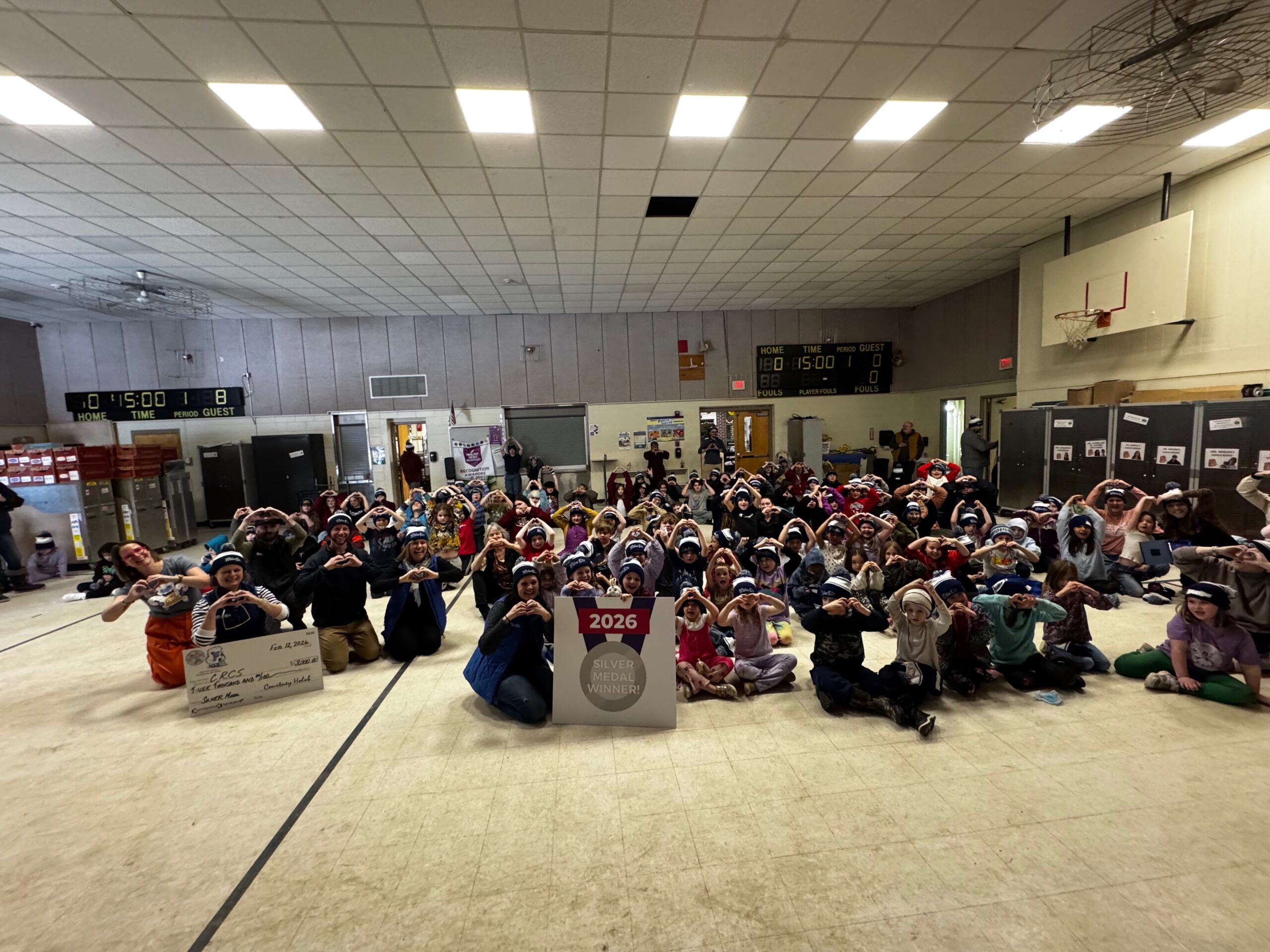
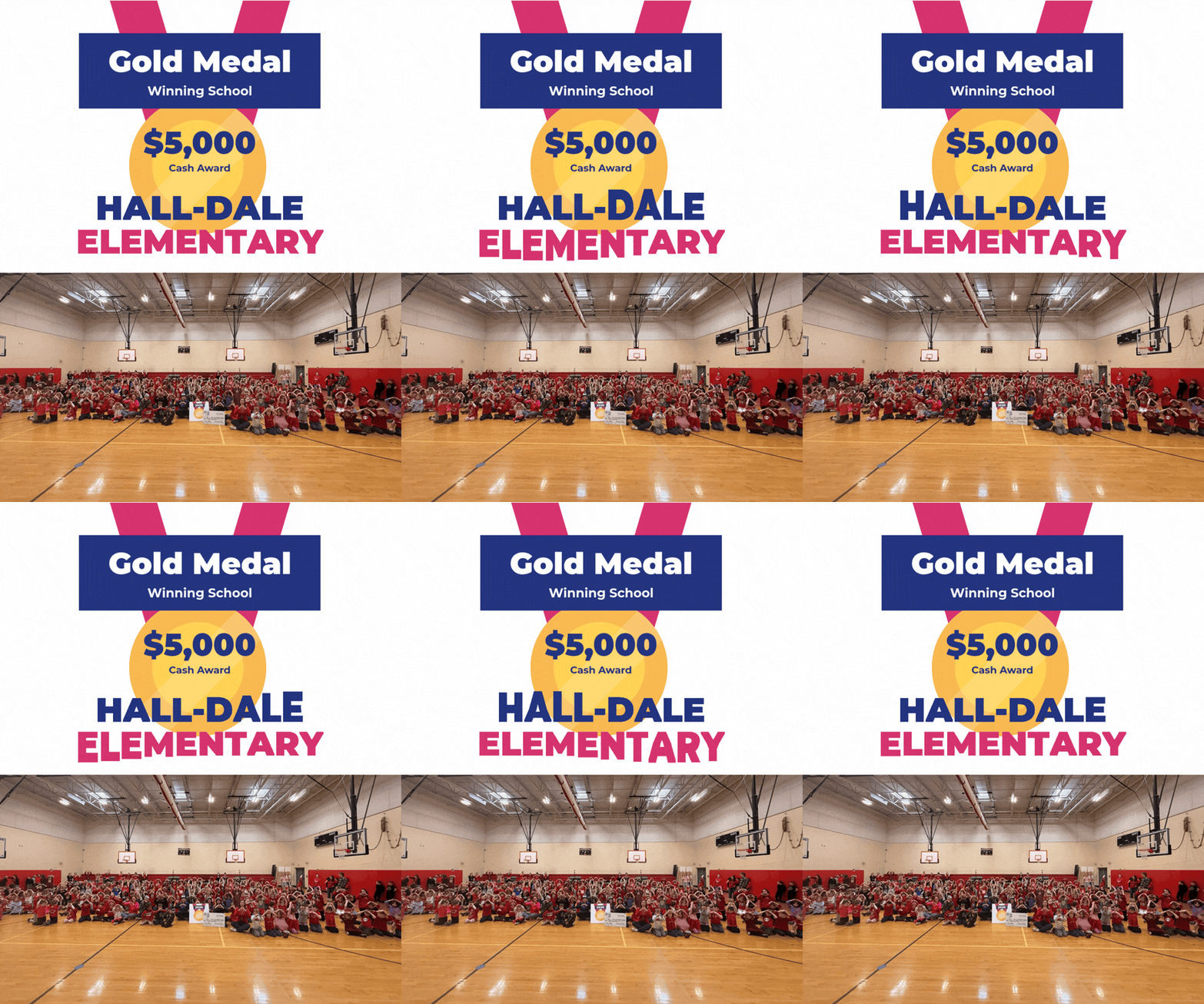
Outdoor learning and winter activity require basic tools and equipment. In communities facing economic challenges, access to gear and resources can limit which students participate. The Winter Games address this barrier through cash prizes that Competitive Track schools use as they wish to support long-term wellness infrastructure.
In high-need areas, funds help purchase essential winter gear so every child can participate safely and comfortably. In other districts, prize money supports weather instruments for science lessons, trail maintenance for walking and biking programs, and equipment such as snowshoes or ice skates for recess and physical education.
These investments create lasting opportunities for outdoor learning and movement. By improving access, schools ensure that children from all backgrounds can experience the benefits of winter activity.
What the 2026 WinterKids Winter Games Teach Us About Student Wellness
The WinterKids Winter Games demonstrate what becomes possible when schools embrace winter as a season for learning, movement, and connection. Beyond encouraging outdoor education, the program promotes unity, kindness, collaboration, and deeper connections. The excitement and pride generated during the program continue long after the four-week challenge ends. Schools describe stronger community bonds, higher engagement, and a renewed sense of possibility during the winter months.
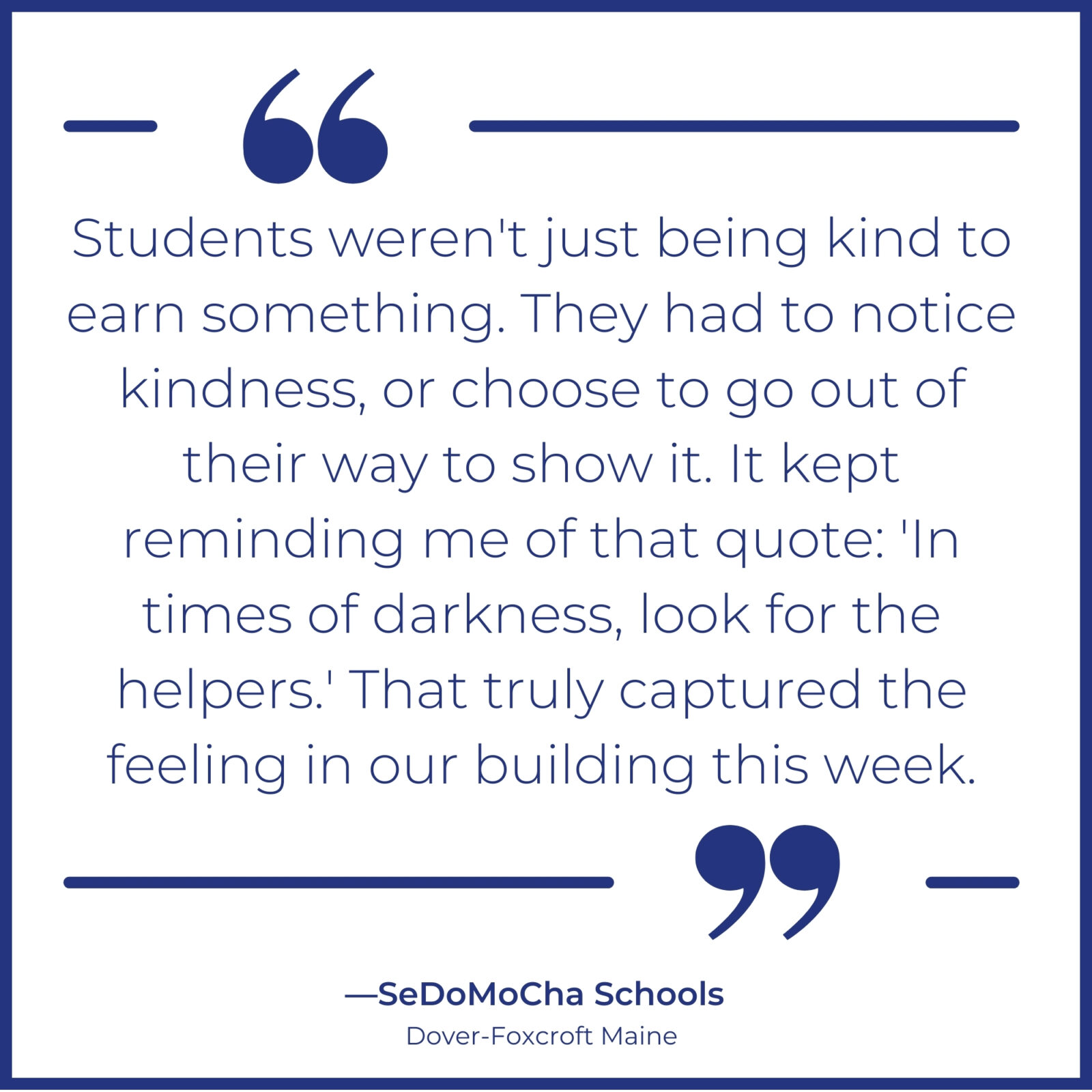
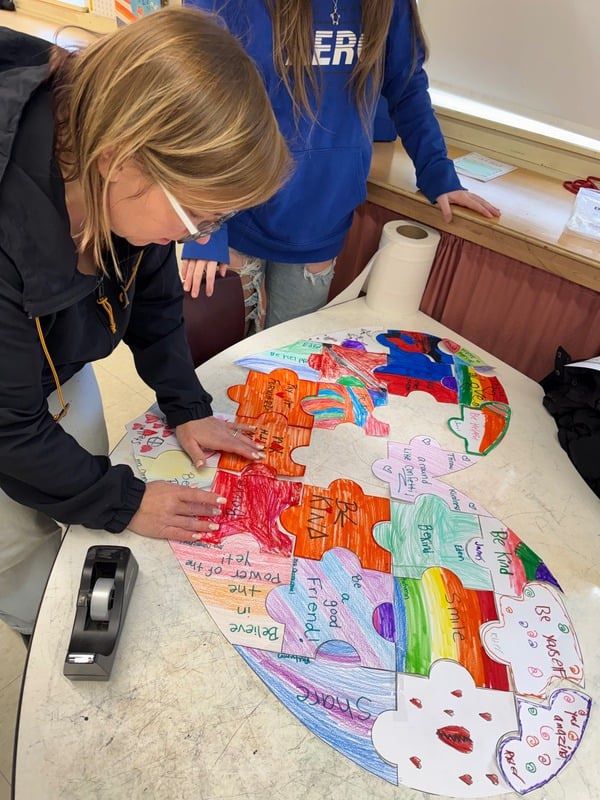
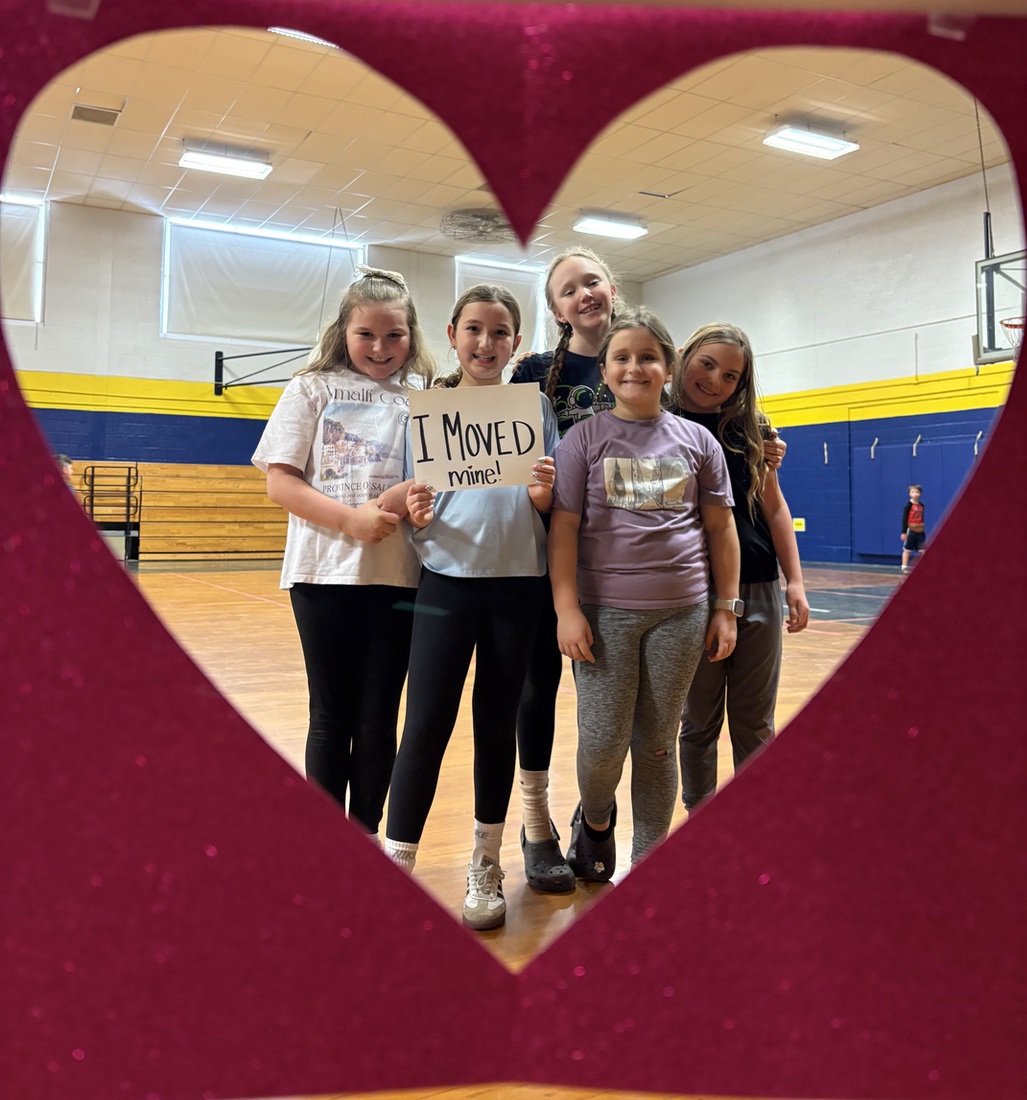
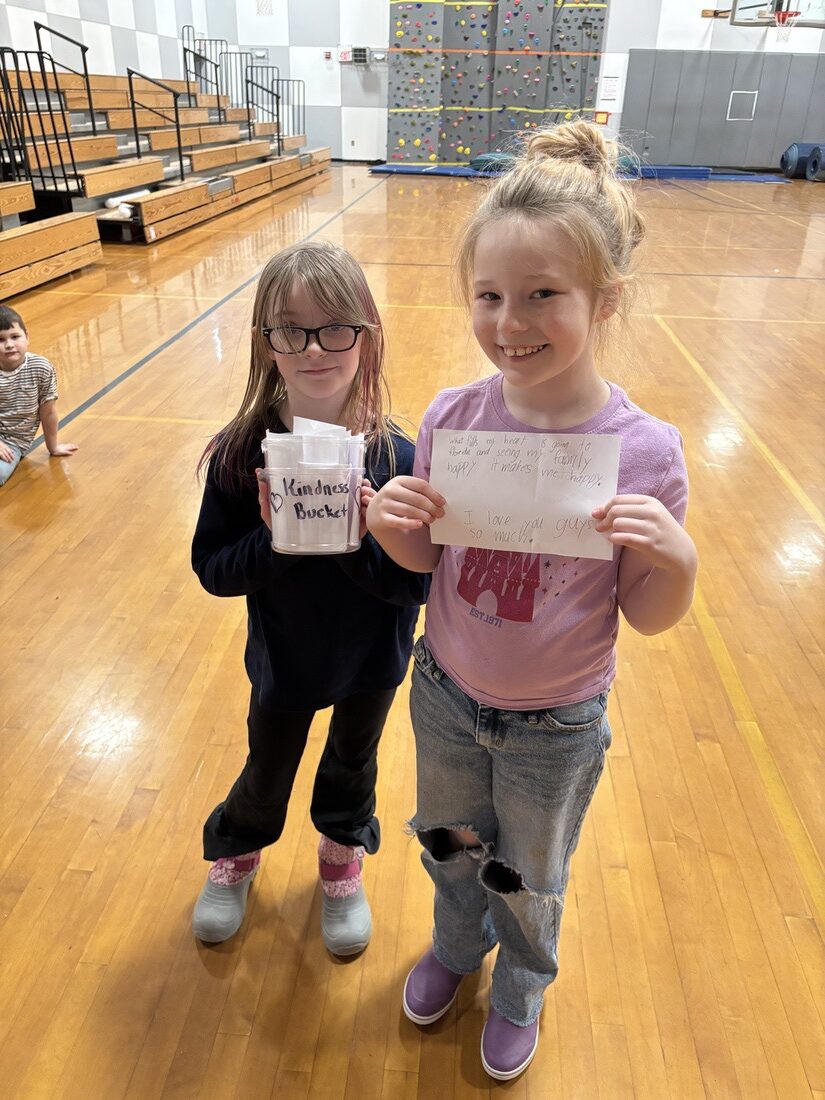
Among the quieter but most meaningful outcomes is the way the Winter Games cultivate kindness. Through the program, students navigate challenges together, cheer peers through difficult moments, and notice when someone needs a hand, not because a lesson plan calls for it, but because the moment does. At SeDoMoCha Schools, one teacher captured this beautifully: “Students weren’t just being kind to earn something. They had to notice kindness or choose to go out of their way to show it. It kept reminding me of that quote: ‘In times of darkness, look for the helpers.’ That truly captured the feeling in our building this week.”
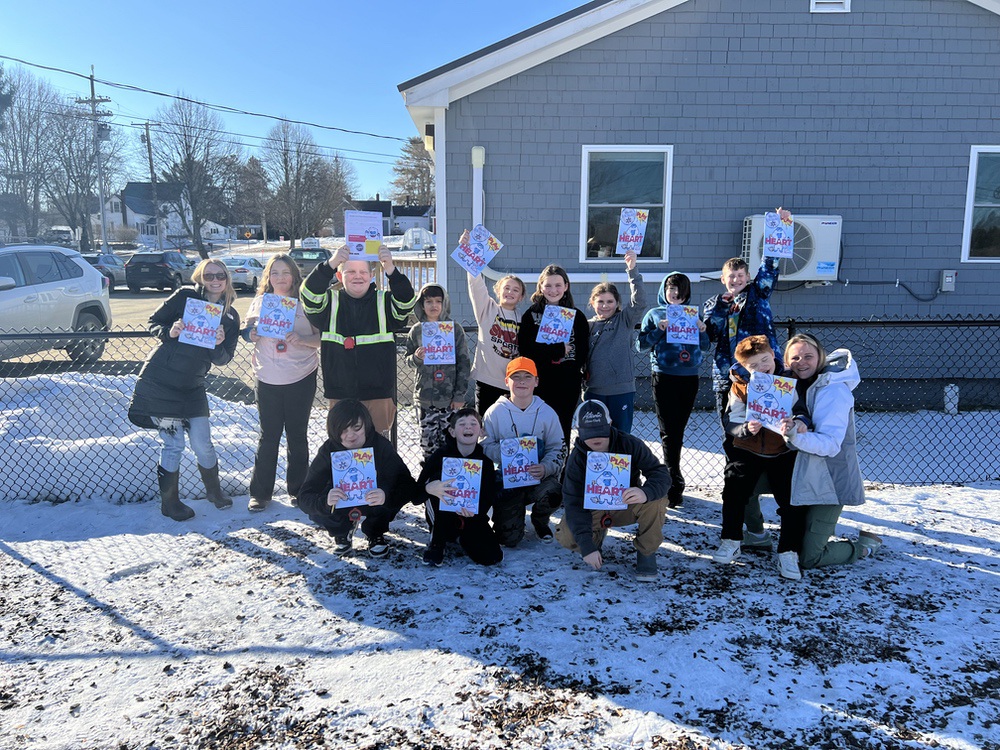
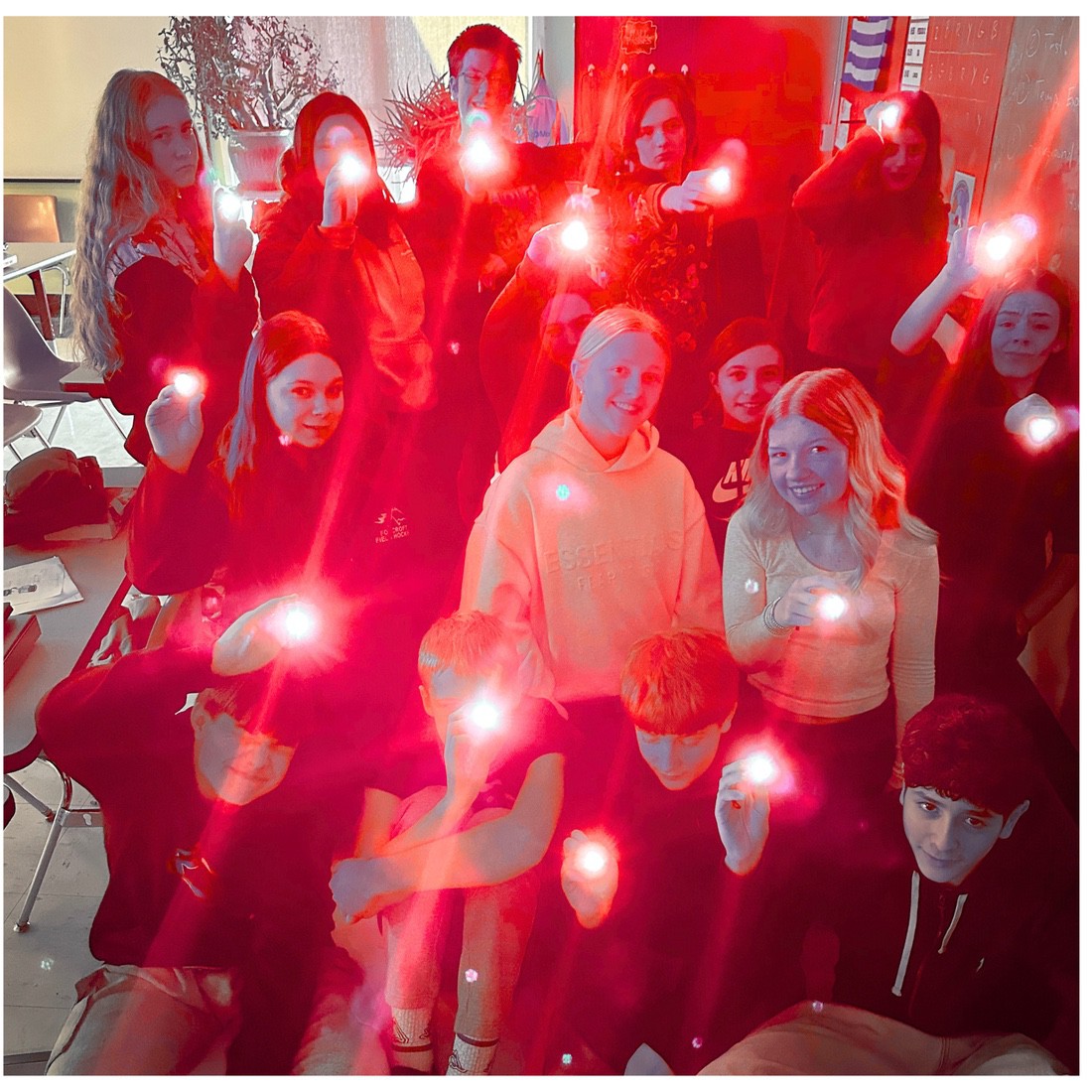
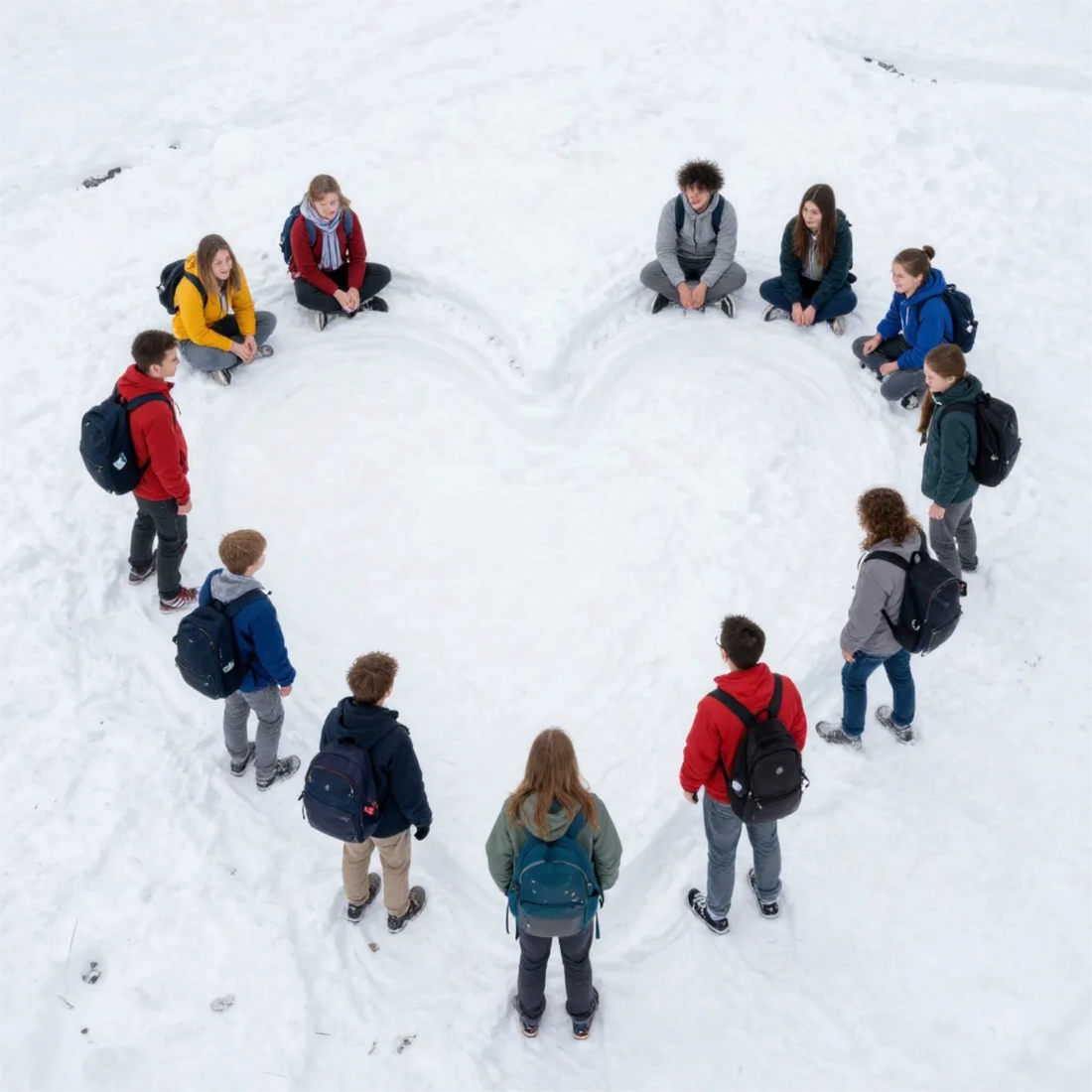
The program is more than just going outside. Outdoor time is the foundation, but the Winter Games also weave in ideas, lessons, and materials that nurture something deeper. At the heart of this work is a commitment to kindness, collaboration, and human connection, values that take root outside and grow well beyond the winter months.
At the HEART of this work is WinterKids, a Maine-based nonprofit dedicated to helping children develop healthy lifelong habits through education and fun outdoor winter activities. The Winter Games provide a powerful example of how thoughtful programming can turn winter into a meaningful tool for learning and well-being.